← All curricula
Curriculum · Arts, science and philosophy
Sapere Aude. Dare to know.

GEMS Honours Programme

Learn from the greatest minds of the past. Think like the minds the future needs.

A programme for able, curious students in upper high school, drawn from schools across the GEMS Education network. Together they travel from the agora of Athens to the edge of the observable universe, and ask what each age got right, where we stand today, and how to think boldly about what comes next.

Programme designed by Rohan Roberts · lead designer
Begin the journeySee the syllabus
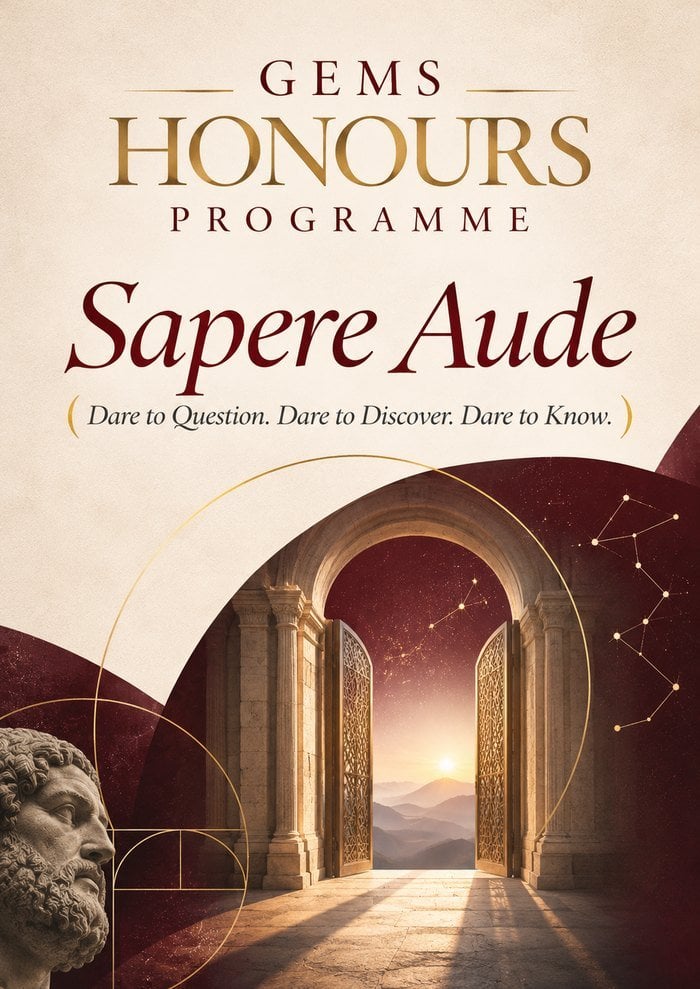
GEMS Honours Programme poster
3terms
12areas of focus
9reference texts
21great minds
0exams
The motto
“Dare to know. Have the courage to use your own understanding.”
Immanuel Kant, 1784

Critical thinking and intellectual boldness sit at the heart of the programme. Students meet the great thinkers of the past, ask how their ideas shaped the world we live in, and practise the habits of mind they will need in a world of exponential change.

Act I

What we got right.

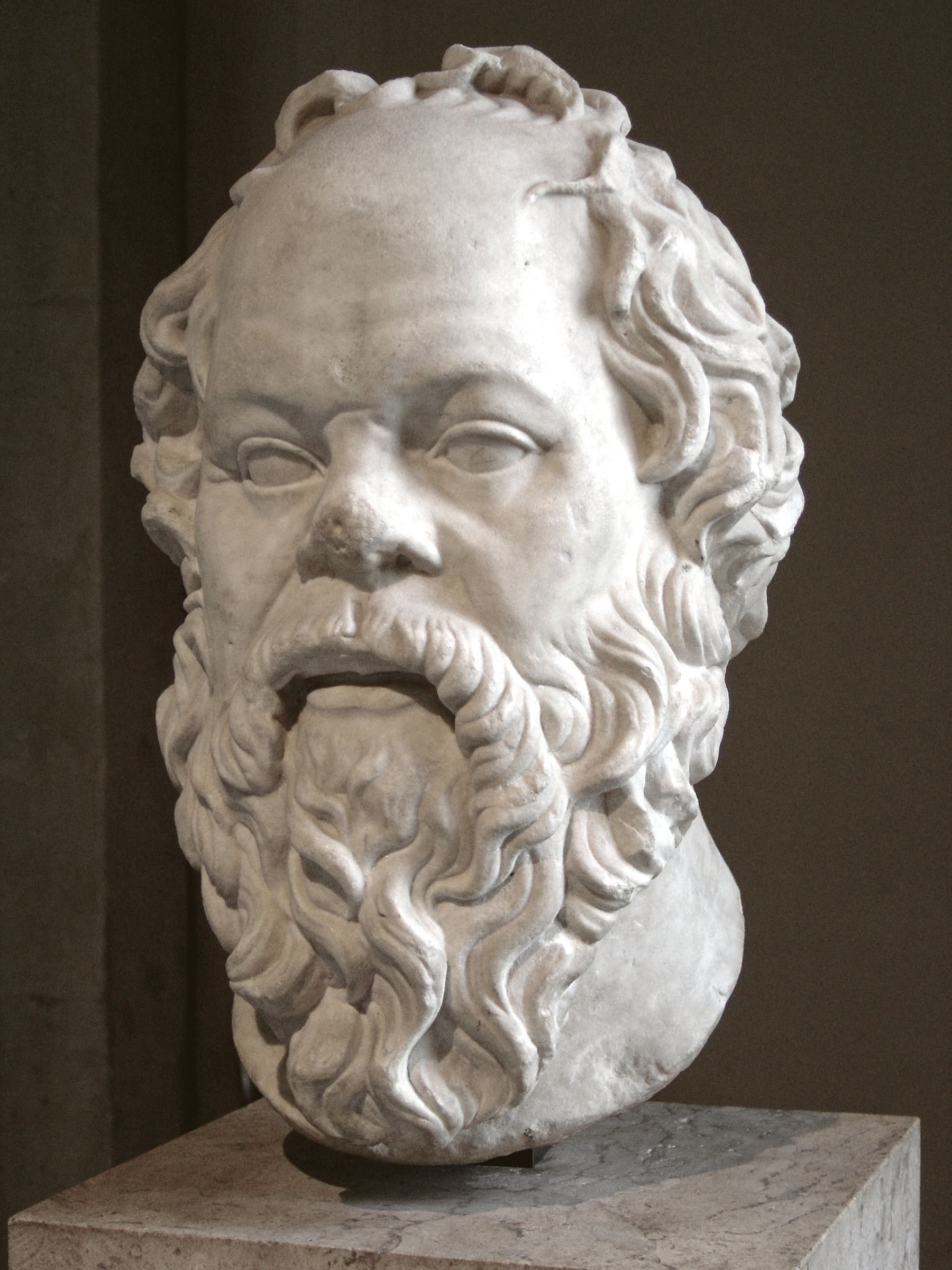
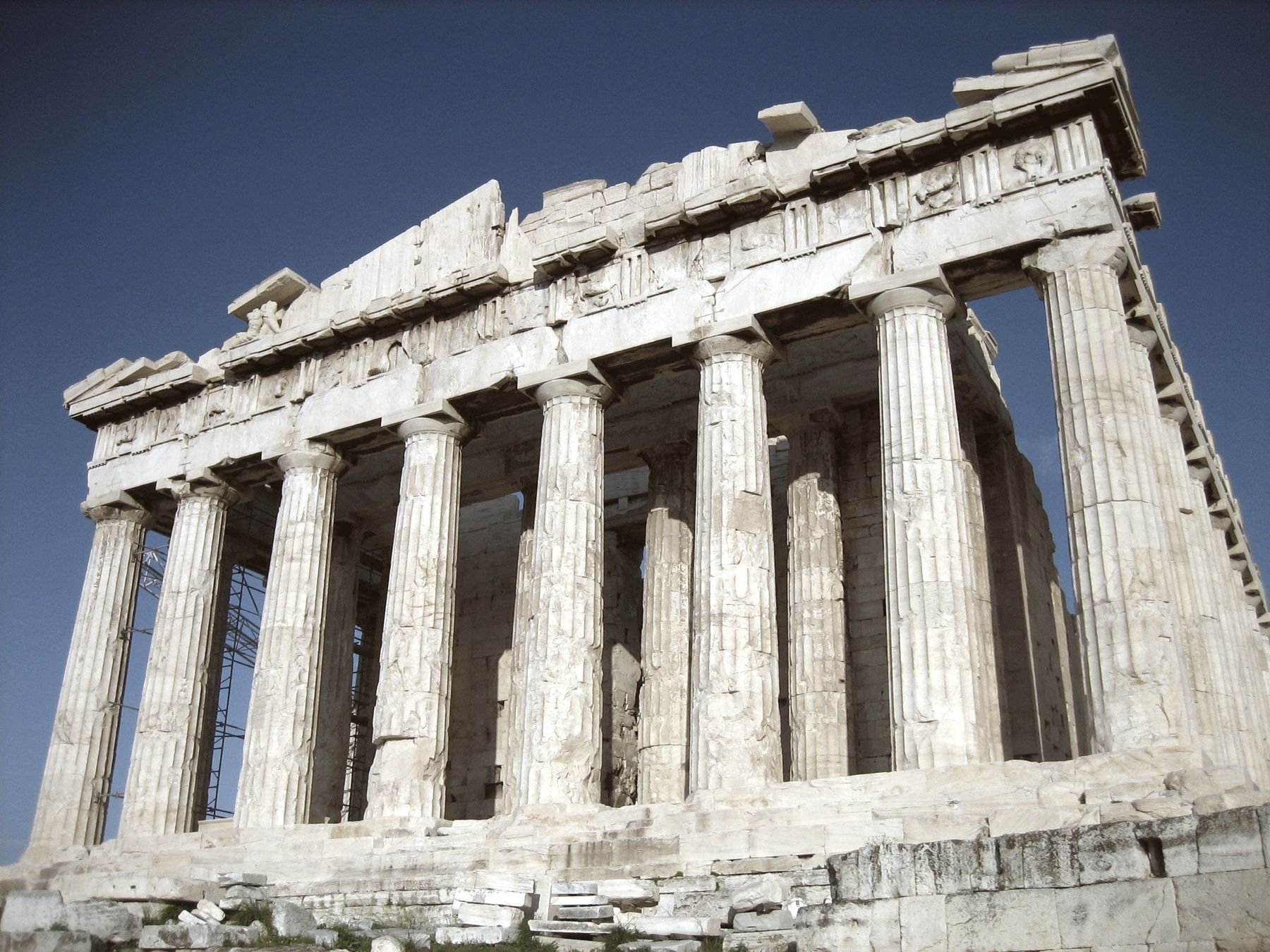
The Parthenon, Athens, completed in 432 BCE.Socrates. Marble bust, Louvre.
The Parthenon, Athens, completed in 432 BCE. Inset: Socrates. Marble bust, Louvre.
Ancient Greece · 5th to 4th century BCE

The birth of the question.

In a few generations, a small city asked questions the world still argues about. What is justice? What is a good life? How do we know what we know?

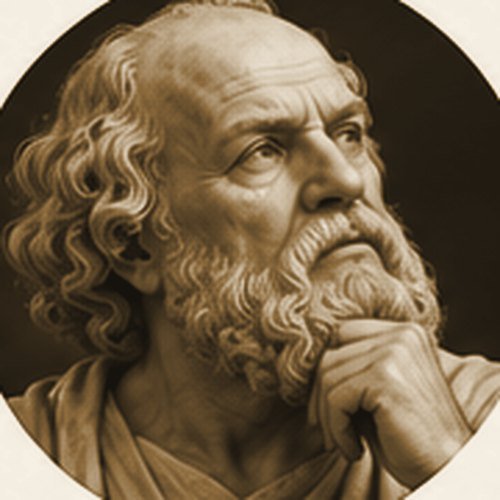
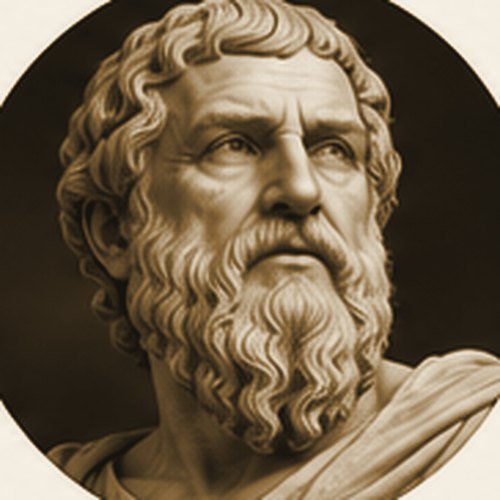
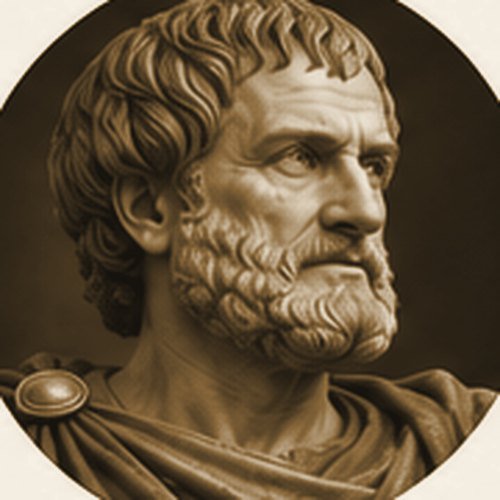
Socrates taught by asking, and asking again. Plato founded the Academy. Aristotle watched the world closely and sorted what he saw. Between them they gave us the habit of the honest question.

SocratesSocratesc. 470 to 399 BCE
PlatoPlatoc. 428 to 348 BCE
AristotleAristotle384 to 322 BCE
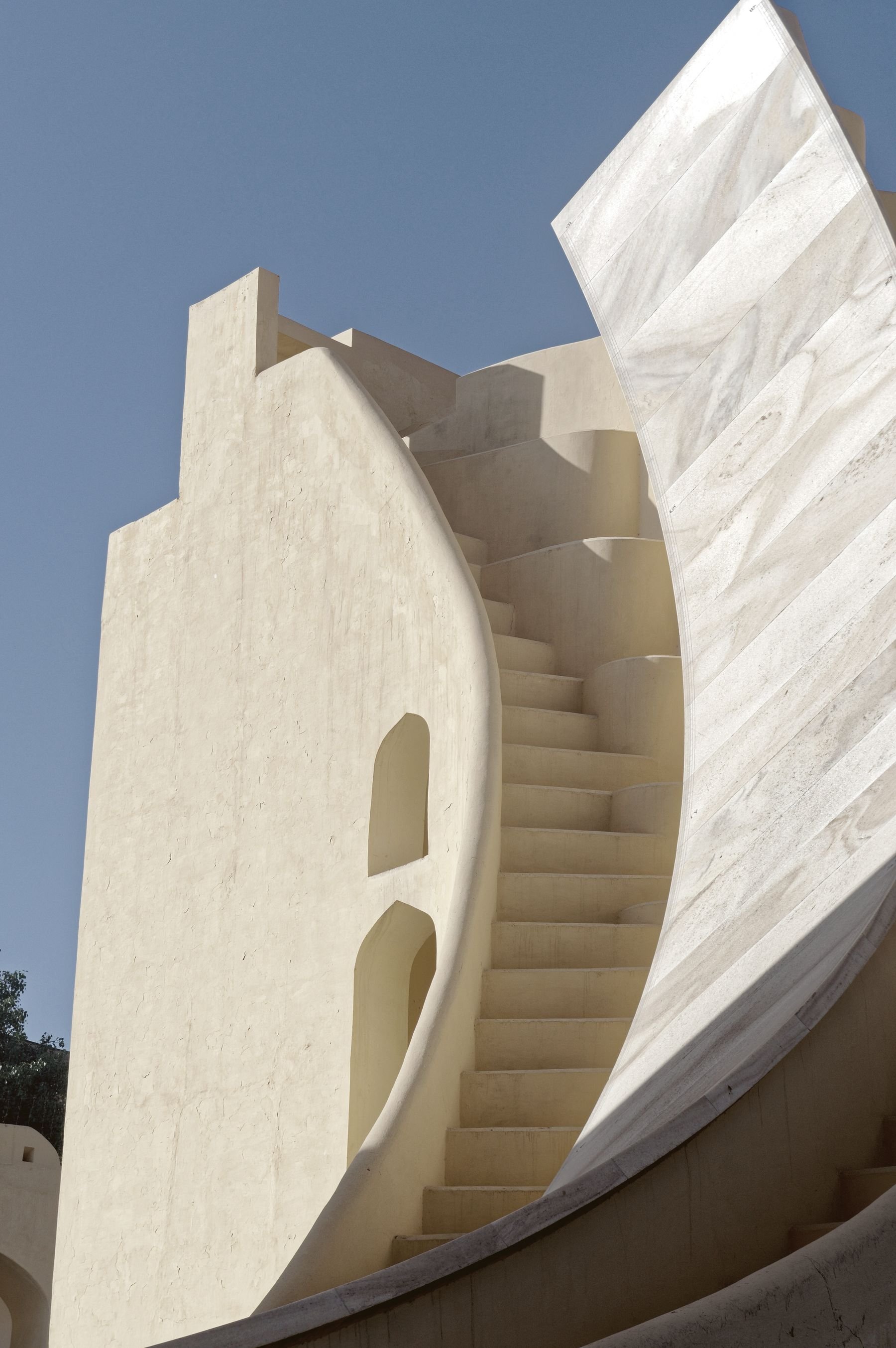
Samrat Yantra, Jantar Mantar, Jaipur: a giant sundial from the 1730s, heir to India’s long tradition of astronomy.
Ancient and classical India · 5th century BCE to 8th century CE

Zero, the stars and the self.

The Buddha taught that the mind can be studied and trained. In 499 CE Aryabhata wrote that the Earth turns on its axis and gave a value of pi close to 3.1416. In 628 CE Brahmagupta set down rules for calculating with zero and negative numbers.

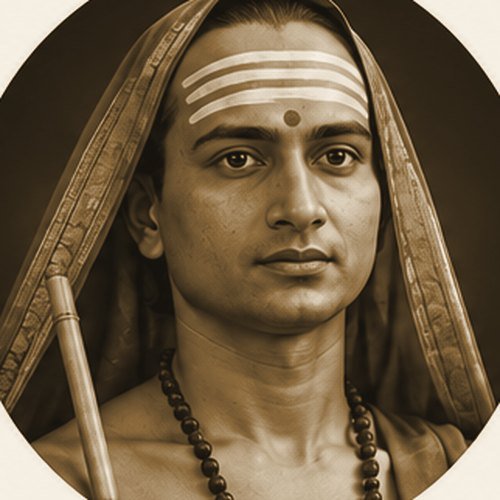
Adi Shankaracharya taught Advaita Vedanta, the philosophy of non-duality: the self and the whole are not two. Mathematics, astronomy and the inner life grew side by side.

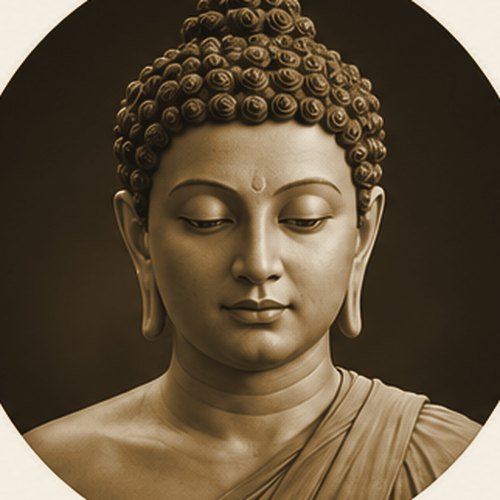
BuddhaBuddhac. 5th century BCE
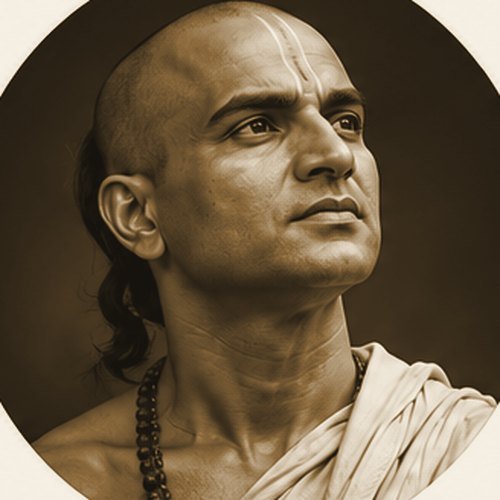
AryabhataAryabhata476 to 550 CE
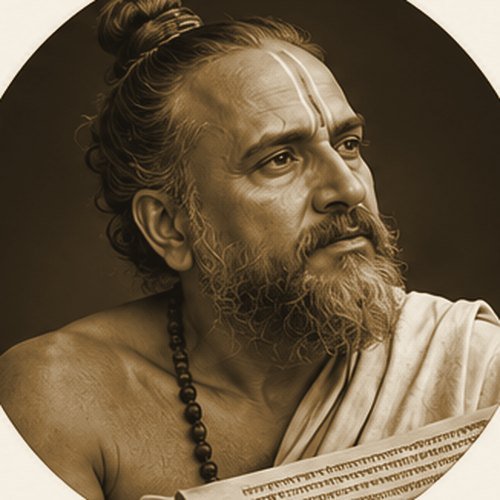
BrahmaguptaBrahmaguptac. 598 to 668 CE
Adi ShankaracharyaAdi Shankaracharyac. 8th century CE
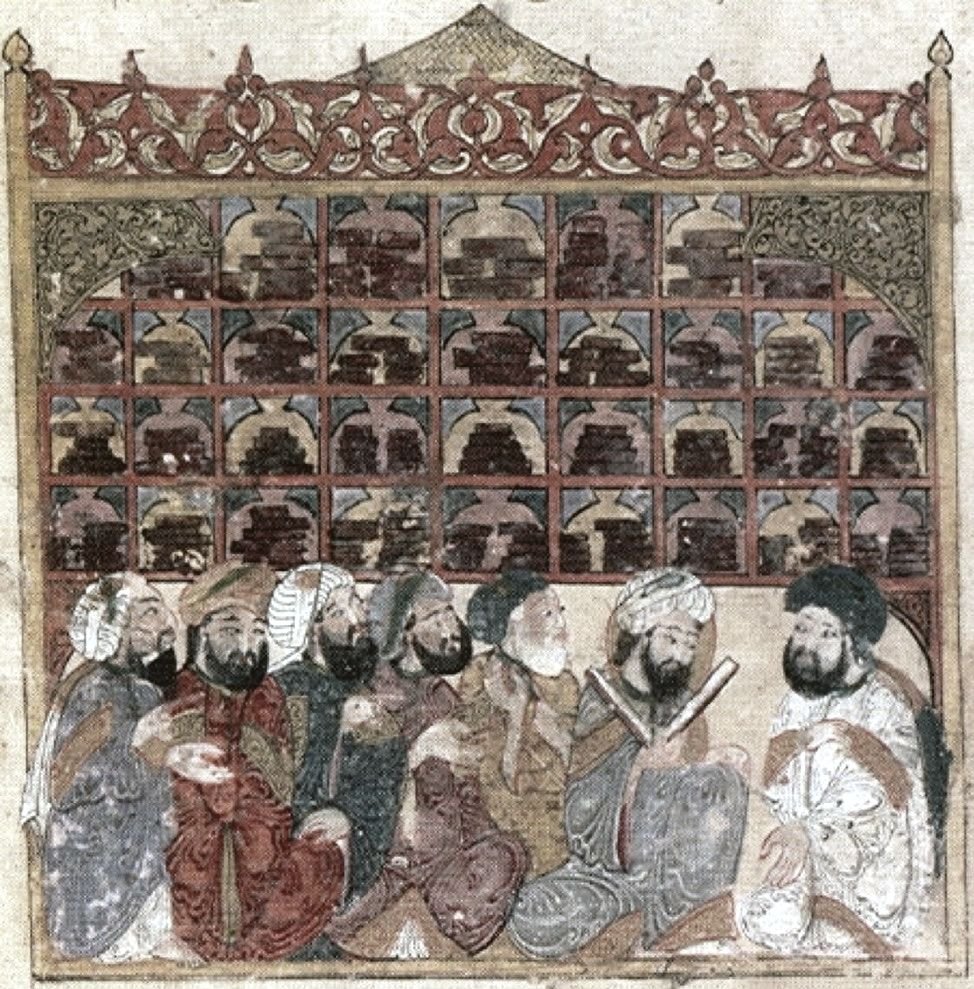
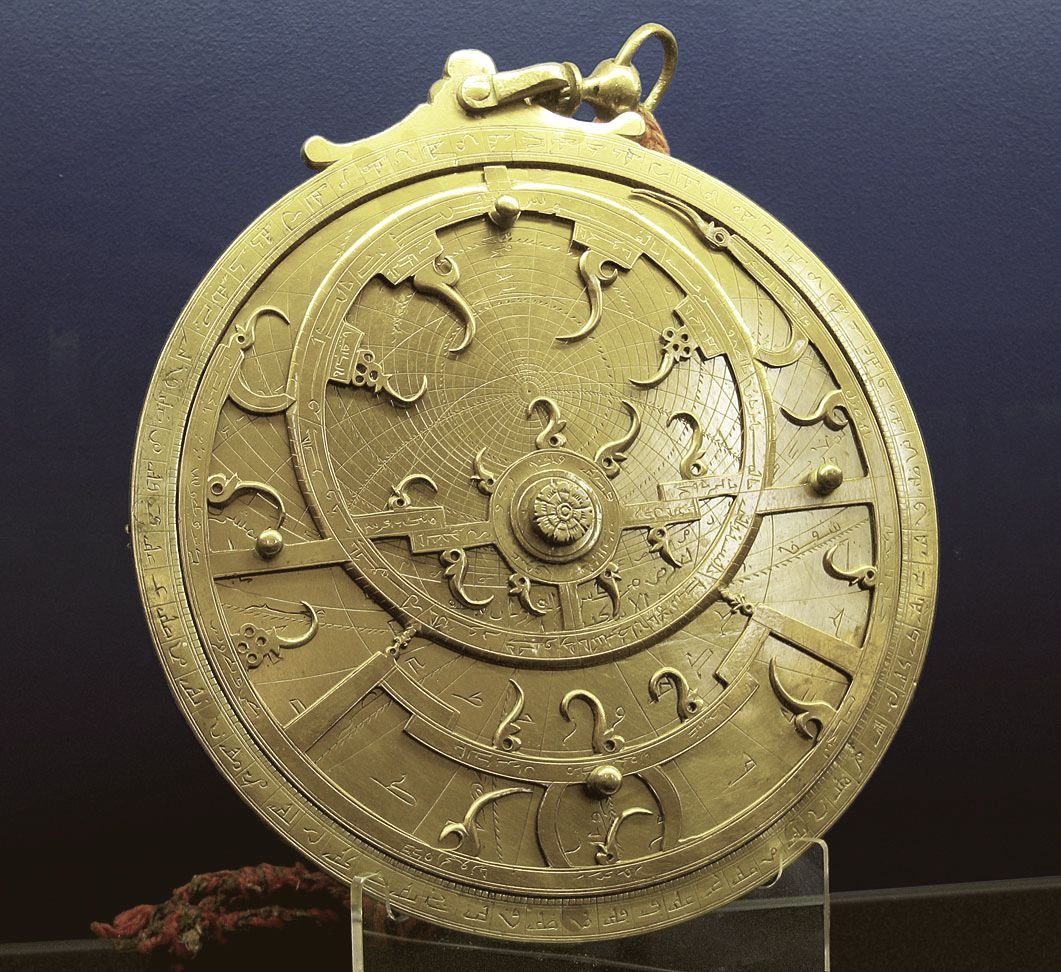
Scholars in a library at Basra. From the Maqamat of al-Hariri, painted by al-Wasiti, 1237.Astrolabe, Persia.
Scholars in a library at Basra. From the Maqamat of al-Hariri, painted by al-Wasiti, 1237. Inset: Astrolabe, Persia.
The Golden Age of the Arab World · 8th to 13th century

The House of Wisdom.

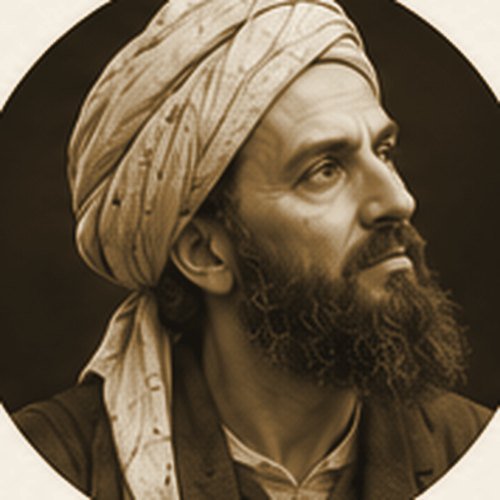
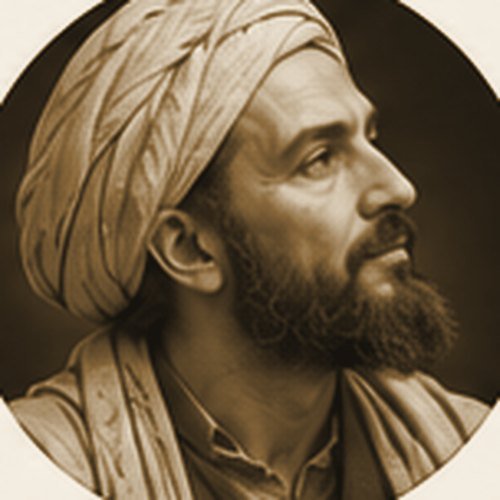
In Baghdad’s House of Wisdom, scholars translated the Greeks, added the Indian numerals and went further. Al-Khwarizmi’s book on al-jabr gave us the word algebra, and his own name gave us the word algorithm.

Ibn Sina’s Canon of Medicine was taught in Europe’s universities for centuries. The astrolabe, a pocket model of the sky, helped travellers tell the time and find their way.

Al-KhwarizmiAl-Khwarizmic. 780 to 850
Ibn SinaIbn Sina980 to 1037
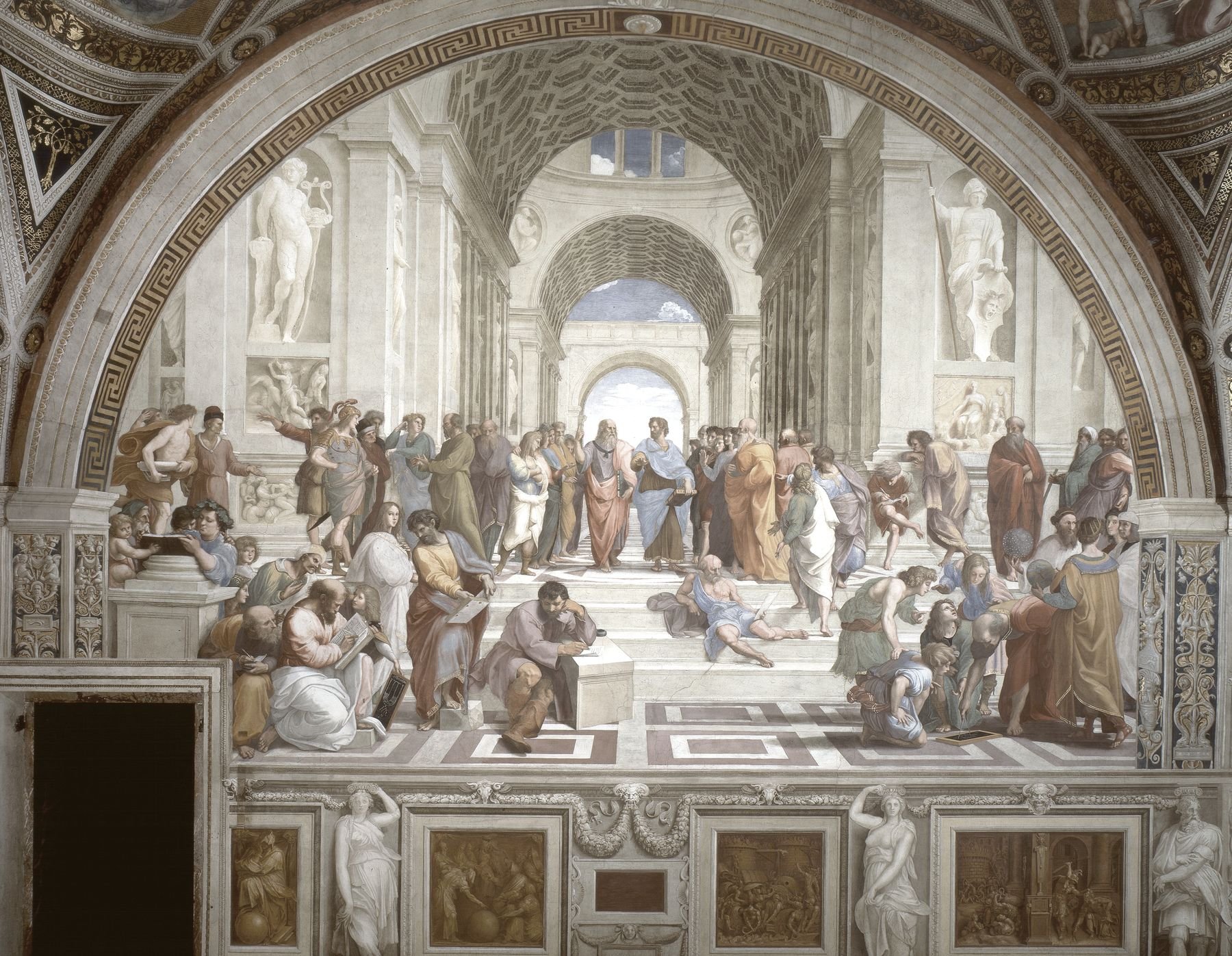
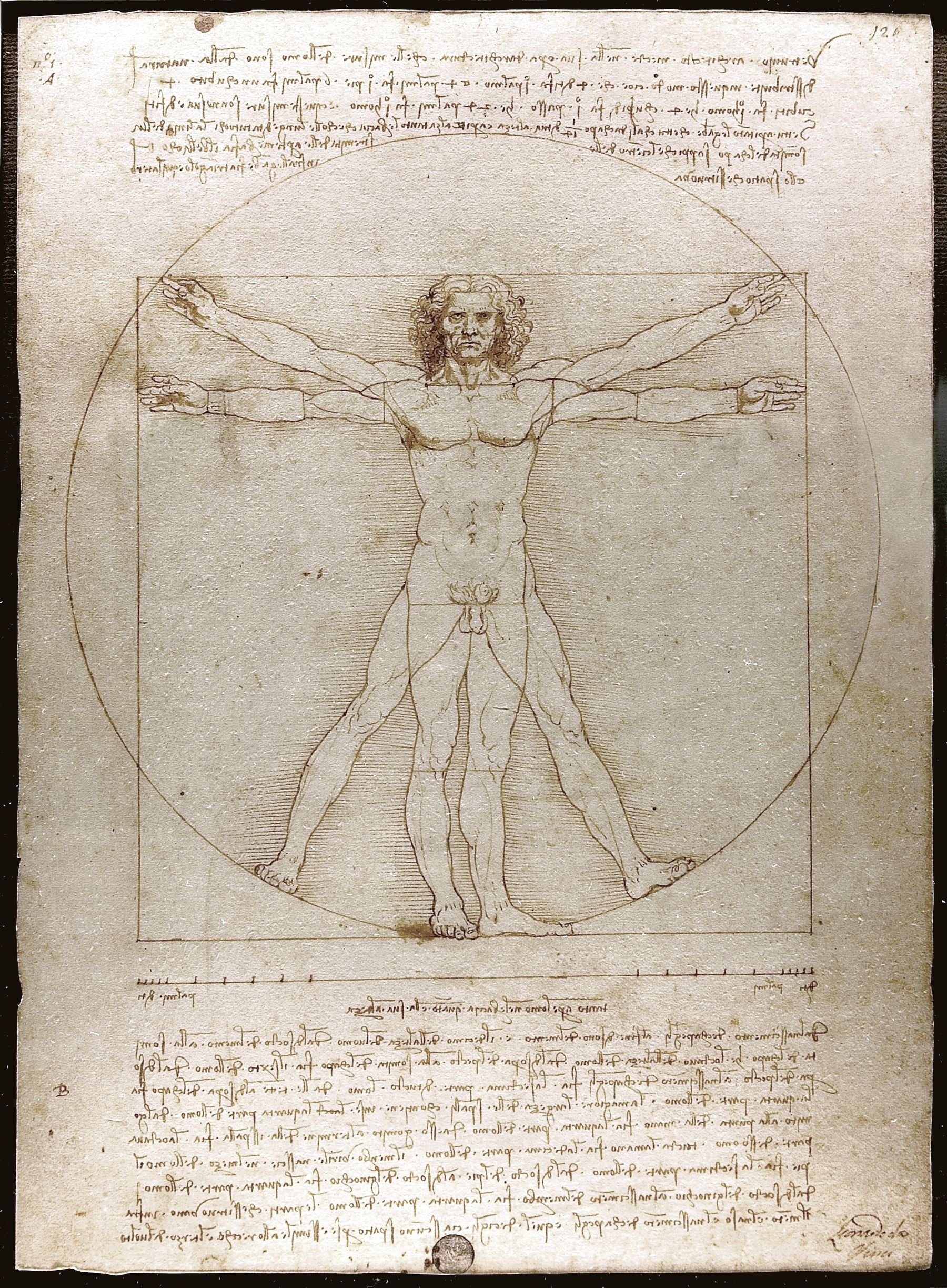
Raphael, The School of Athens, 1509 to 1511. Vatican.Leonardo da Vinci, Vitruvian Man, about 1490.
Raphael, The School of Athens, 1509 to 1511. Vatican. Inset: Leonardo da Vinci, Vitruvian Man, about 1490.
The Renaissance · 14th to 17th century

Art and science, one mind.

Europe rediscovered the ancient texts, many of them through Arabic translations, and painted the old philosophers back to life. Raphael put Plato and Aristotle at the centre of his School of Athens.

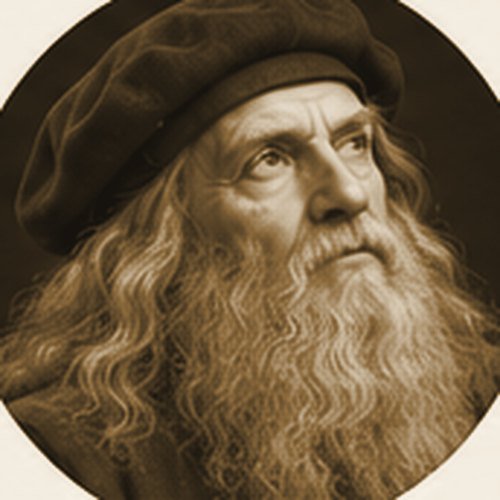
Leonardo drew, dissected, engineered and painted, with no line between art and science. Galileo turned a telescope to the sky in 1609 and saw moons circling Jupiter.

Leonardo da VinciLeonardo da Vinci1452 to 1519
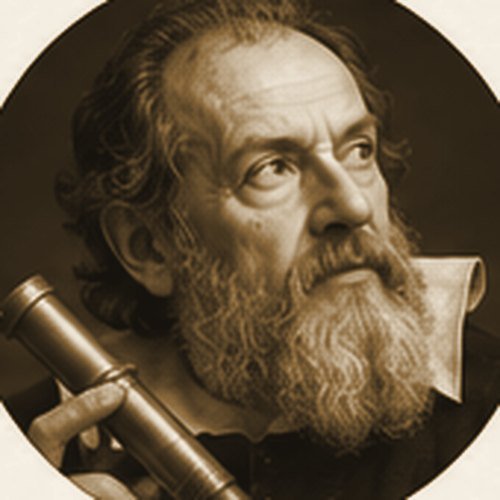
Galileo GalileiGalileo Galilei1564 to 1642
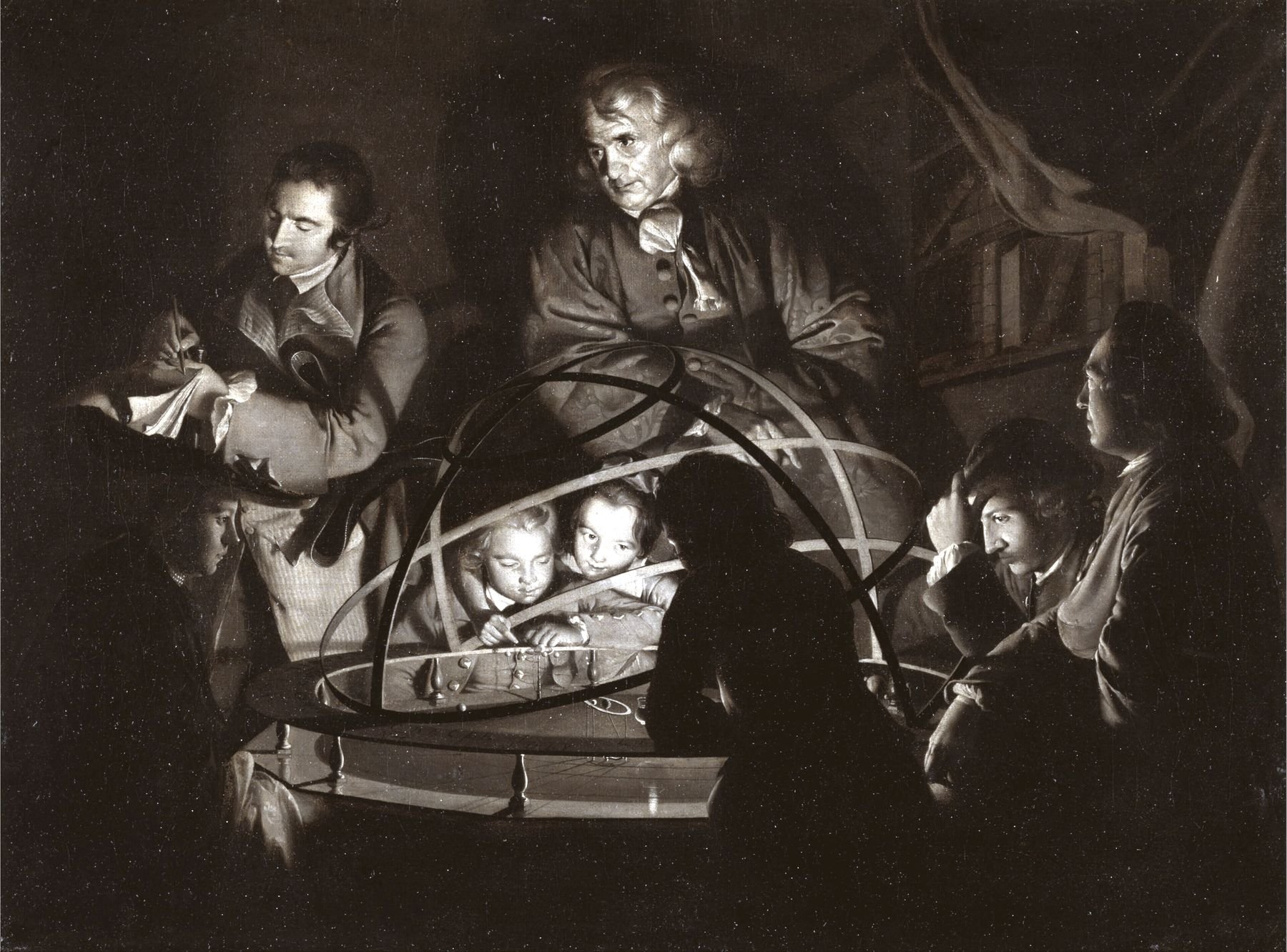
Joseph Wright of Derby, A Philosopher Lecturing on the Orrery, about 1766. Derby Museum and Art Gallery.
The Enlightenment and the Age of Reason · 17th to 18th century

Dare to know.

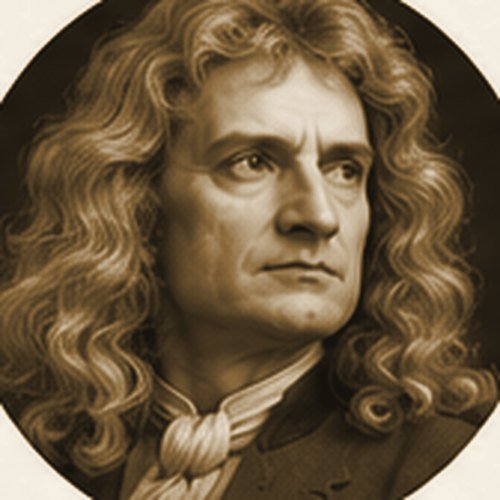
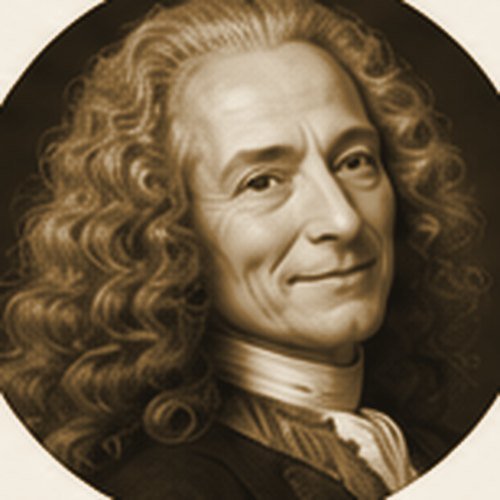
In 1687 Newton showed that one set of laws governs a falling apple and the turning planets. Voltaire fought for reason, tolerance and free speech.

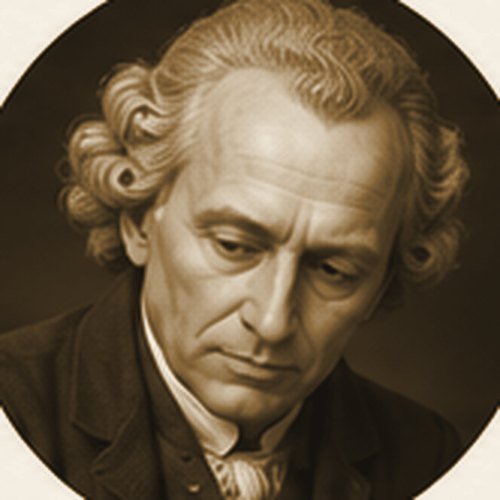
In 1784 Kant gave the age its motto: Sapere aude, dare to know. Have the courage to use your own understanding. It is the motto of this programme.

Isaac NewtonIsaac Newton1643 to 1727
VoltaireVoltaire1694 to 1778
Immanuel KantImmanuel Kant1724 to 1804

“Sapere aude! Have courage to use your own understanding.”

Immanuel Kant, What is Enlightenment?, 1784
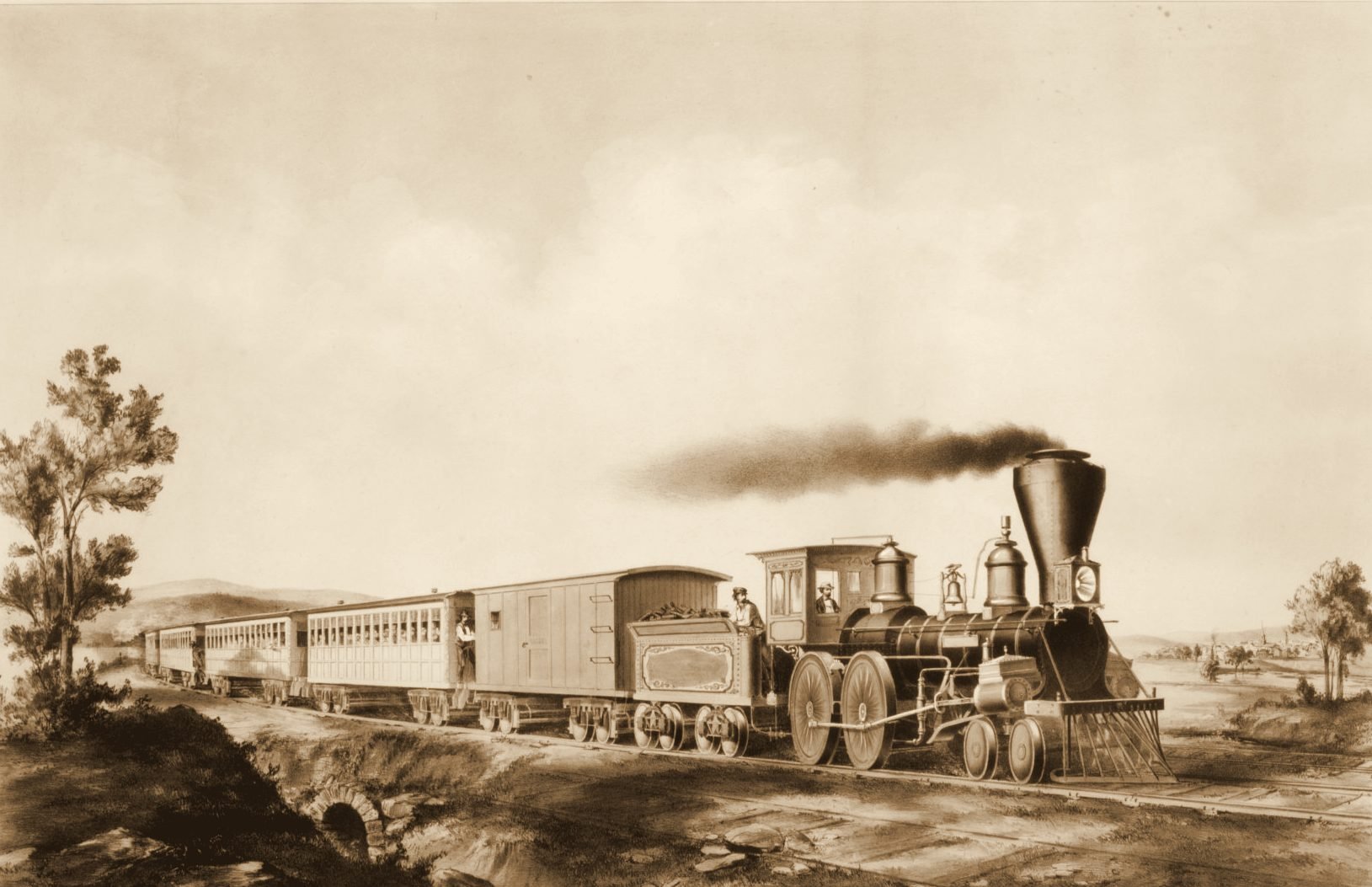
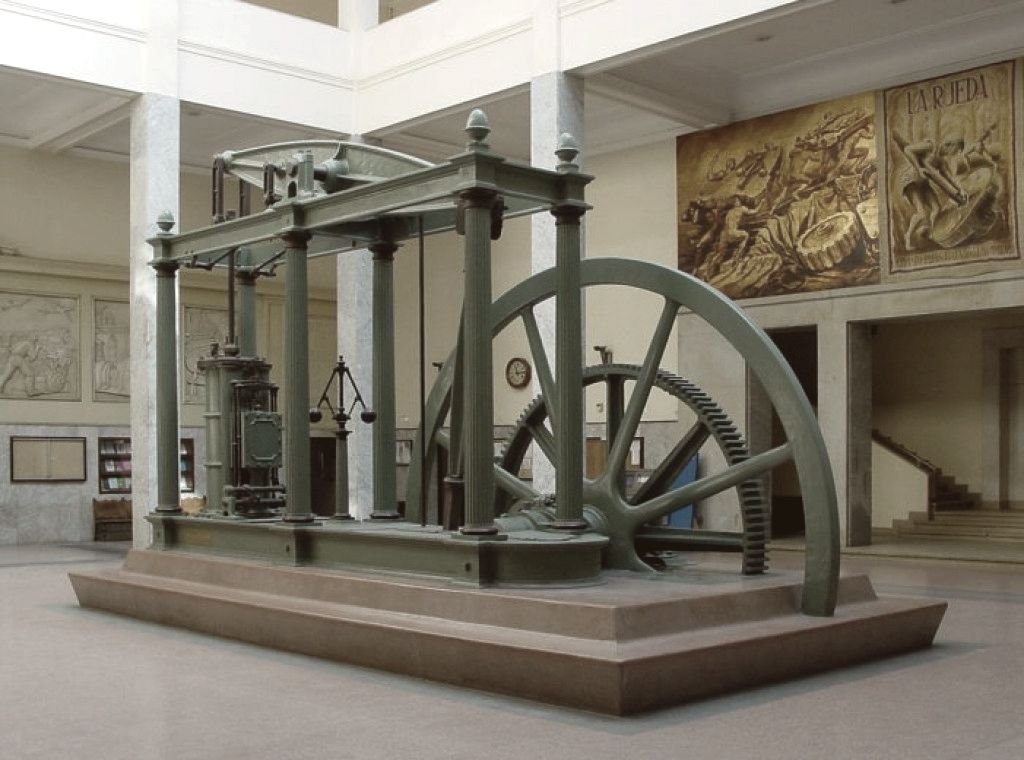
Currier and Ives, The Express Train. Hand-coloured lithograph, 19th century. Metropolitan Museum of Art.A Watt steam engine.
Currier and Ives, The Express Train. Hand-coloured lithograph, 19th century. Metropolitan Museum of Art. Inset: A Watt steam engine.
The Industrial Age · 18th to 19th century

Steam, sparks and the first code.

Steam power changed how people worked, travelled and lived. Railways turned journeys of weeks into journeys of days.

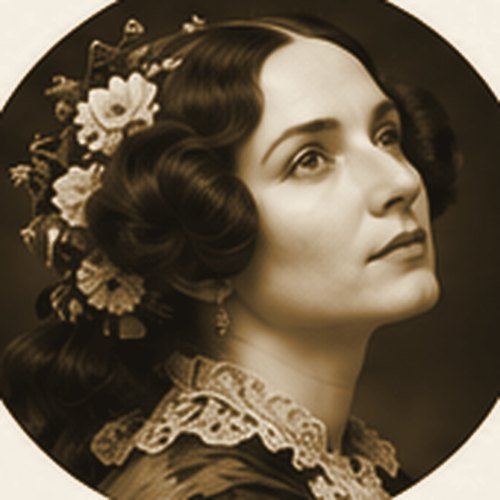
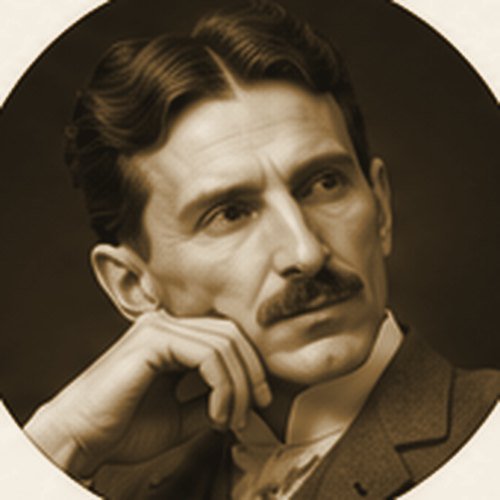
In 1843 Ada Lovelace published notes on a machine that was never built, with what is often called the first computer program, and imagined it might one day compose music. Tesla’s alternating current would soon light the world.

Ada LovelaceAda Lovelace1815 to 1852
Nikola TeslaNikola Tesla1856 to 1943
Act II

Where we are today.

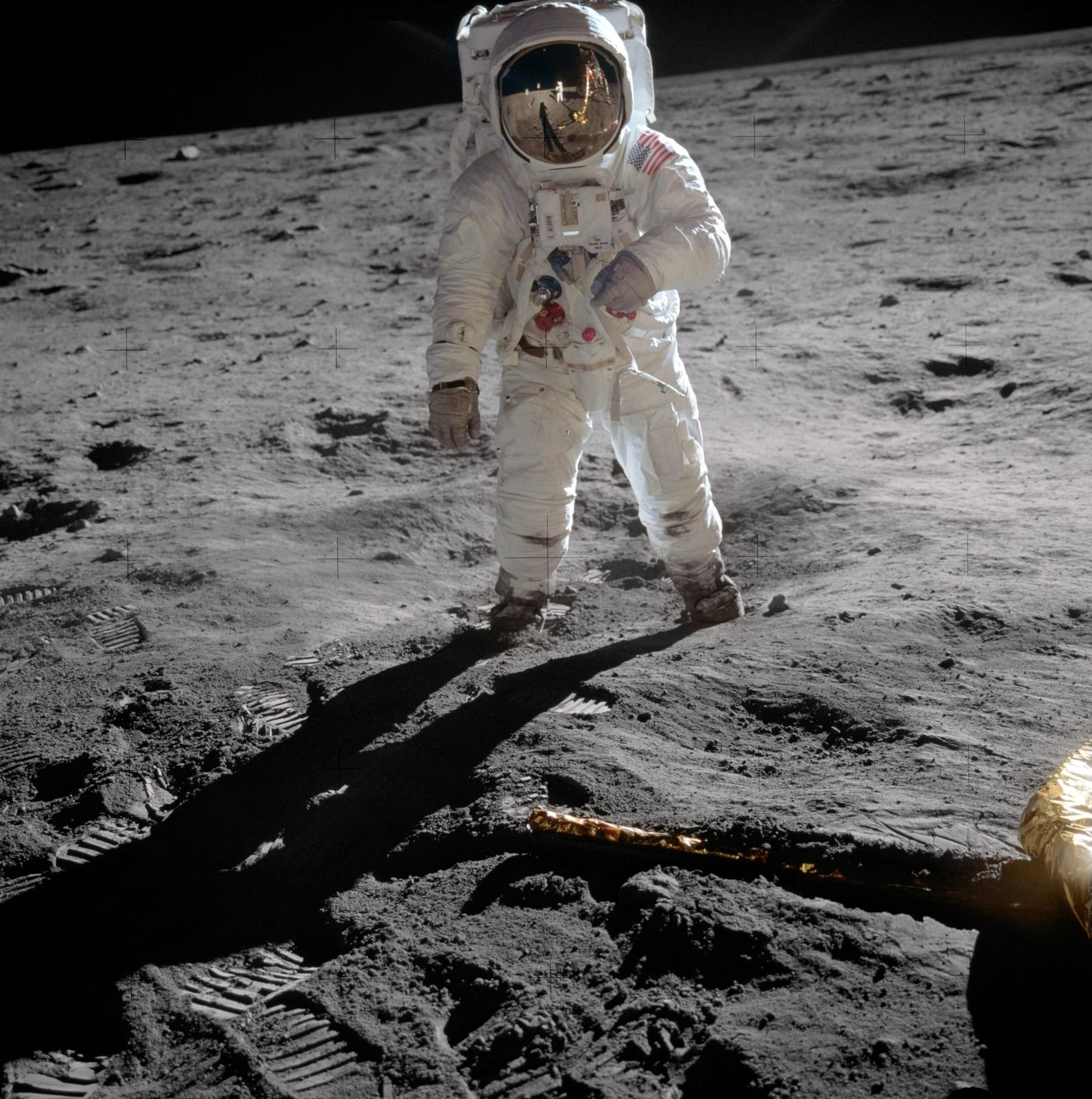
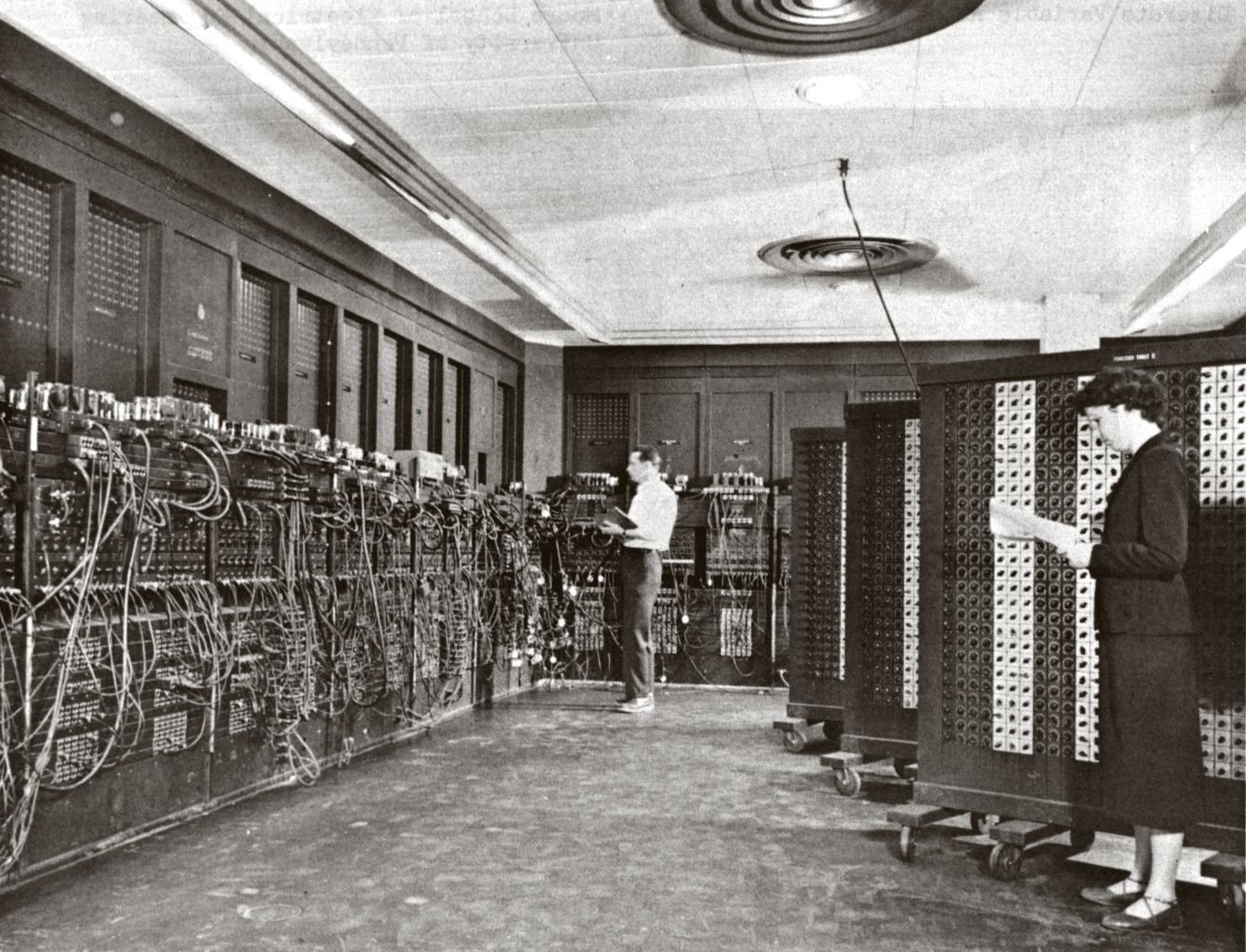
Buzz Aldrin on the Moon, 1969. Photograph by Neil Armstrong, NASA.ENIAC, one of the first general-purpose electronic computers, 1940s.
Buzz Aldrin on the Moon, 1969. Photograph by Neil Armstrong, NASA. Inset: ENIAC, one of the first general-purpose electronic computers, 1940s.
The 20th century to today

Machines that think, footprints on the Moon.

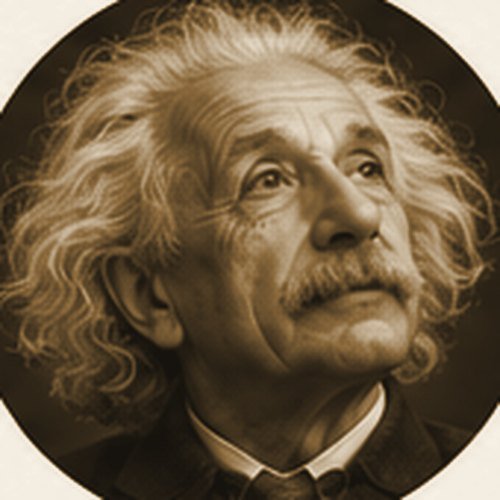
Einstein rewrote space and time. Feynman showed how light and matter dance. ENIAC filled a room; today far more computing power fits in a pocket.

In 1969 people walked on the Moon. In 1972 the crew of Apollo 17 photographed the whole Earth. Every generation stands on the ideas of the ones before.

Albert EinsteinAlbert Einstein1879 to 1955
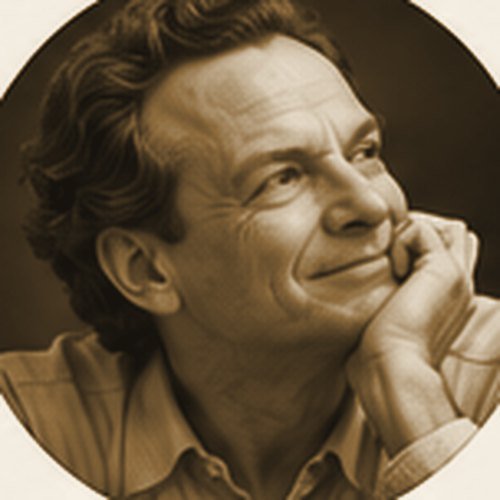
Richard FeynmanRichard Feynman1918 to 1988

The whole Earth, seen from Apollo 17, 1972.

NASA
Act III

The minds we need next.

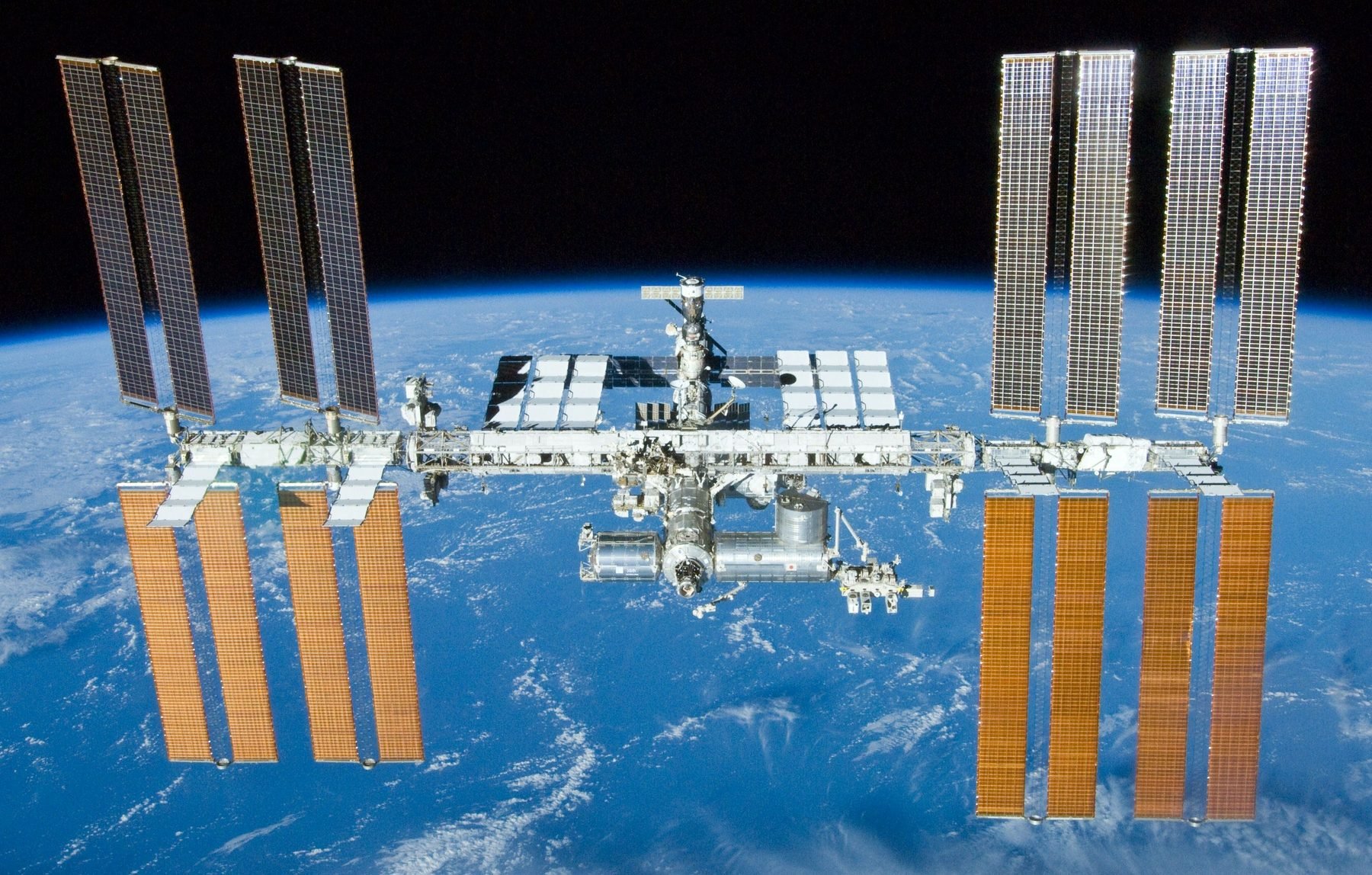
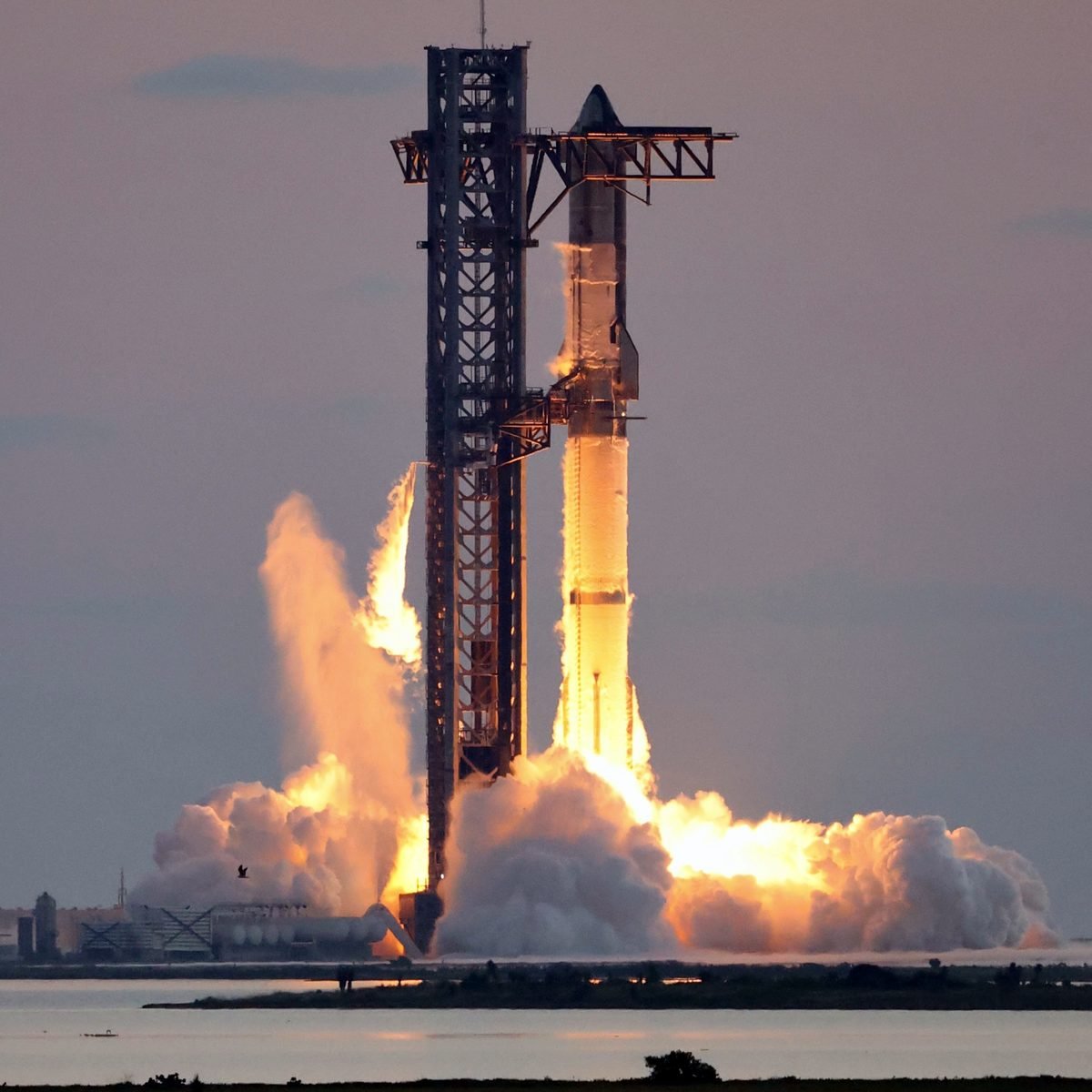
The International Space Station above the Earth. NASA.Starship lifts off, 2024. Photograph by Steve Jurvetson.
The International Space Station above the Earth. NASA. Inset: Starship lifts off, 2024. Photograph by Steve Jurvetson.
Tomorrow

The beginning of infinity.

The future will need people who can think across subjects, hold big ideas, and stay hopeful and clear-eyed at the same time.

David Deutsch argues that knowledge can keep growing without limit. Ray Kurzweil maps the exponential rise of technology. Brian Greene shows how strange and elegant the universe is. Our students will write the next chapter.

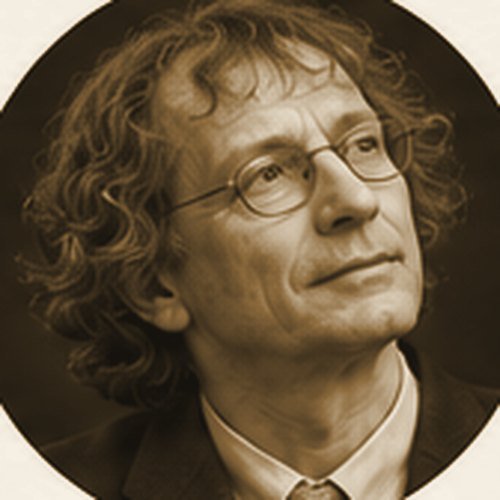
David DeutschDavid Deutschborn 1953
Ray KurzweilRay Kurzweilborn 1948
Brian GreeneBrian Greeneborn 1963

Almost every point of light here is a galaxy.

The Hubble Ultra Deep Field. NASA and ESA.
Thinking for the future

Six habits of a bold mind.

The past gives us the examples. The programme turns them into habits students can carry anywhere.

Critical thinking

Weigh the evidence. Ask what would change your mind.

Intellectual boldness

Sapere aude: have the courage to think for yourself, out loud.

Creative thinking

Make new connections between old ideas.

Lateral thinking

Come at a problem from the side, not head on.

Design thinking

Understand people, build, test, improve.

Cosmic citizenship

See yourself as part of one planet, one species, one story.

The great minds

Twenty-one thinkers. One long conversation.

From Socrates to David Deutsch, by way of India, Baghdad, Florence and the Moon. Students meet each one, argue with them, and ask what they would say today.

Socrates
Socrates
c. 470 to 399 BCE

Questioning the known

Plato
Plato
c. 428 to 348 BCE

The world of ideas

Aristotle
Aristotle
384 to 322 BCE

Observation and reason

Buddha
Buddha
c. 5th century BCE

The Awakened One

Aryabhata
Aryabhata
476 to 550 CE

Mathematician and astronomer

Brahmagupta
Brahmagupta
c. 598 to 668 CE

Mathematician and astronomer

Adi Shankaracharya
Adi Shankaracharya
c. 8th century CE

Philosopher of non-duality

Al-Khwarizmi
Al-Khwarizmi
c. 780 to 850

Algebra and algorithms

Ibn Sina
Ibn Sina
980 to 1037

Healing and knowledge

Leonardo da Vinci
Leonardo da Vinci
1452 to 1519

Art, science, imagination

Galileo Galilei
Galileo Galilei
1564 to 1642

The universe in motion

Isaac Newton
Isaac Newton
1643 to 1727

The laws of nature

Voltaire
Voltaire
1694 to 1778

Reason and freedom

Immanuel Kant
Immanuel Kant
1724 to 1804

Reason and ethics

Ada Lovelace
Ada Lovelace
1815 to 1852

The first computer programmer

Nikola Tesla
Nikola Tesla
1856 to 1943

Electricity and the future

Albert Einstein
Albert Einstein
1879 to 1955

Imagination and reality

Richard Feynman
Richard Feynman
1918 to 1988

Curiosity and discovery

Ray Kurzweil
Ray Kurzweil
born 1948

Technology and the human mind

David Deutsch
David Deutsch
born 1953

The beginning of infinity

Brian Greene
Brian Greene
born 1963

The fabric of the cosmos

The syllabus

Three terms. Twelve areas of focus.

Each term pairs big questions with primary texts that are not part of the regular high school curriculum.

Term 1

Looking back

  1. The Golden Ages of Greece and the Arab World
  2. The Renaissance
  3. The Enlightenment
  4. The Age of Reason
The Iliad and the OdysseyHomer
Pathfinders: The Golden Age of Arabic ScienceJim Al-Khalili
Selected worksSocrates, Plato and Aristotle
Term 2

Looking out

  1. The Universe and Space Exploration
  2. The Technological Singularity
  3. Intelligent Optimism
  4. The Neuroscience of Education and Learning
The Elegant UniverseBrian Greene
The Singularity Is NearRay Kurzweil
How the Brain LearnsDavid Sousa
Term 3

Looking ahead

  1. Critical Thinking
  2. Cosmic Citizenship
  3. The Beginning of Infinity
  4. Creativity and Innovation in the 21st Century
Creating InnovatorsTony Wagner
The Beginning of InfinityDavid Deutsch
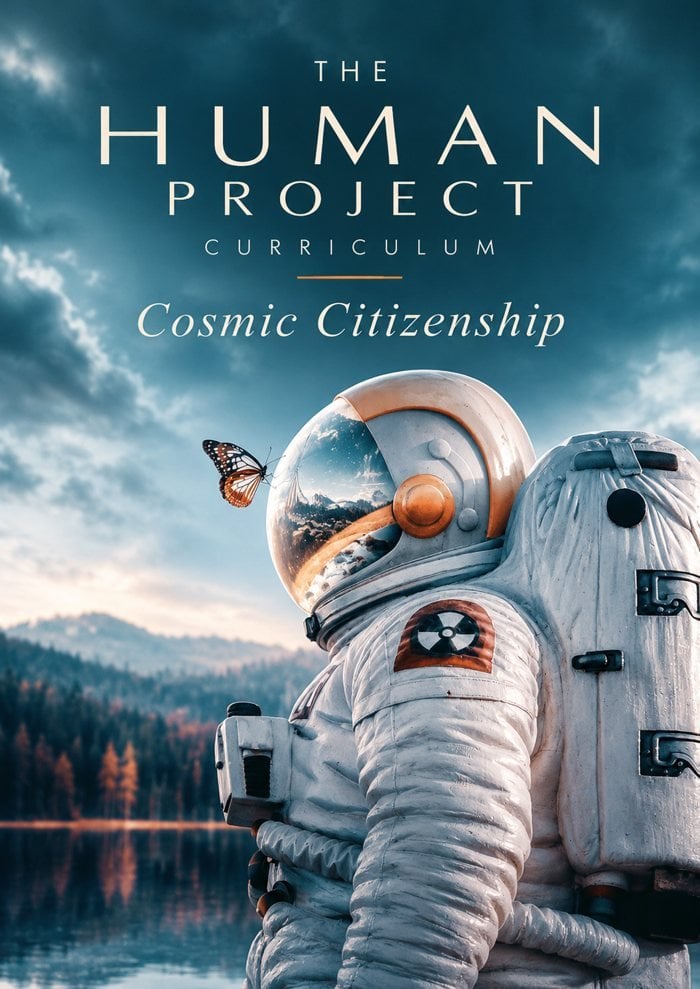
The HUMAN ProjectAnna Stillwell and Erika Ilves
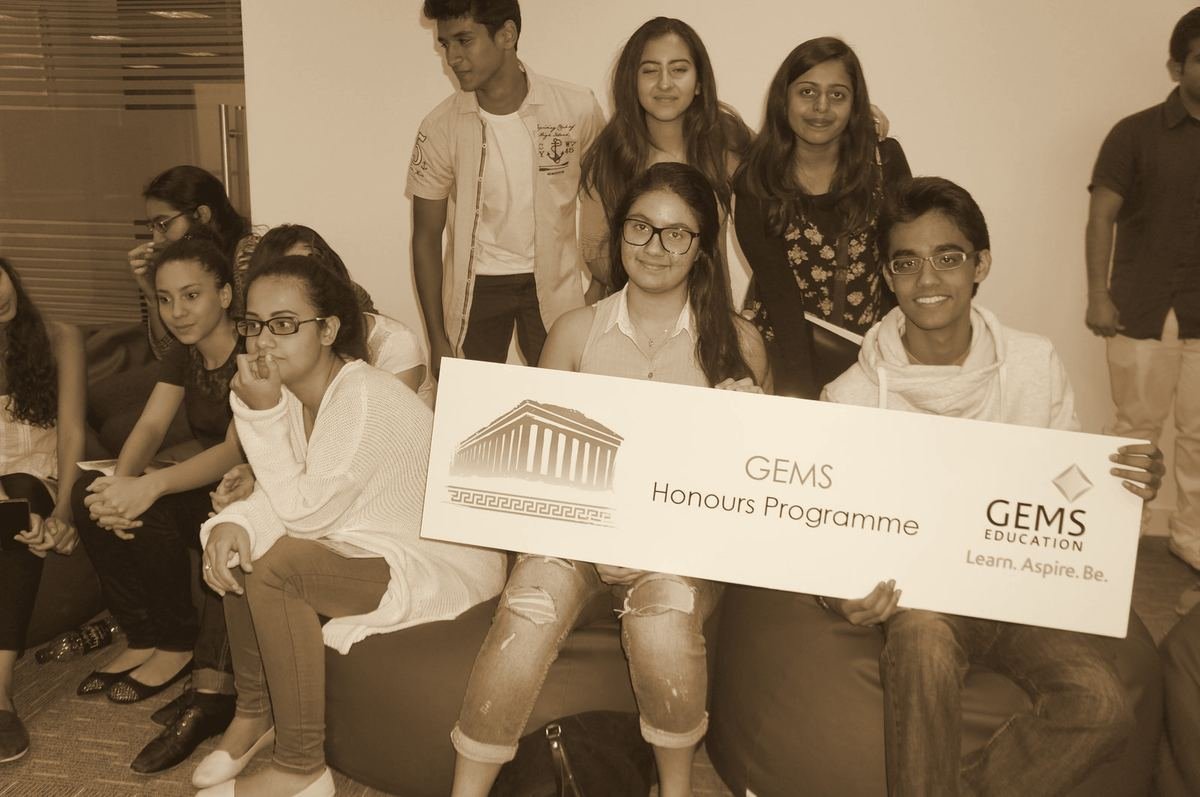
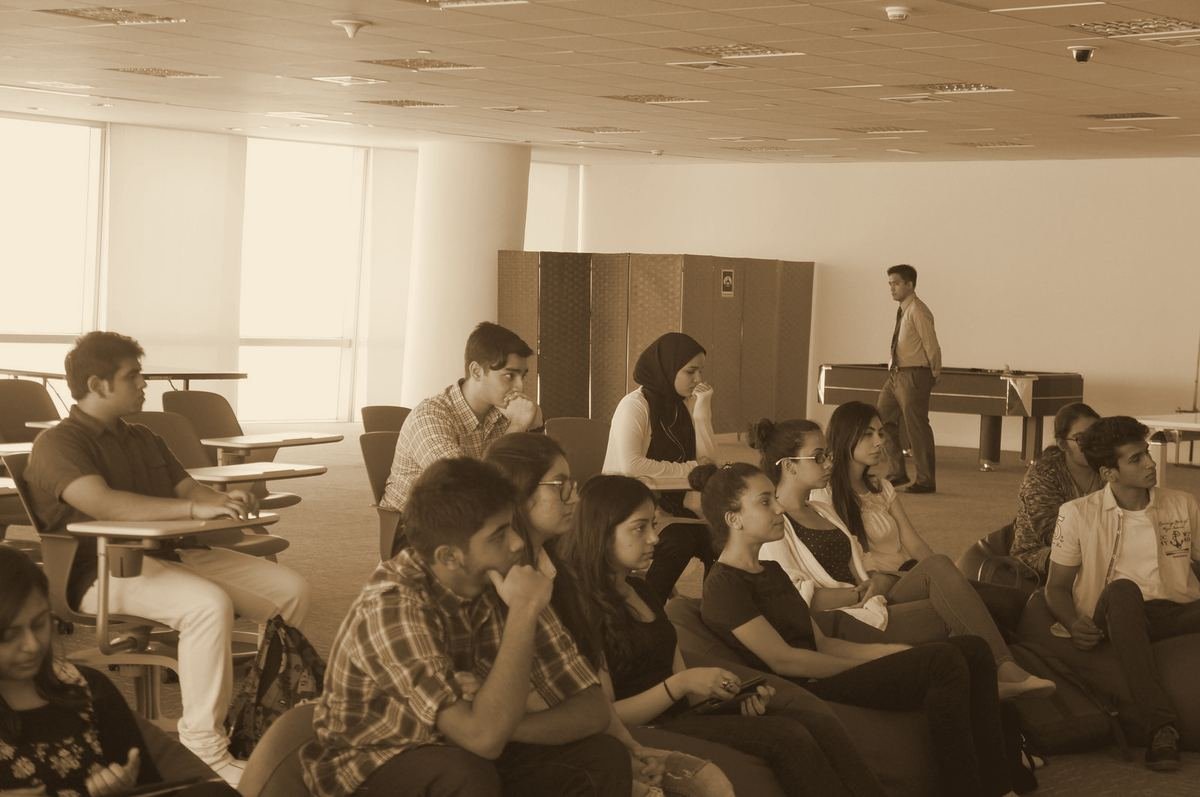
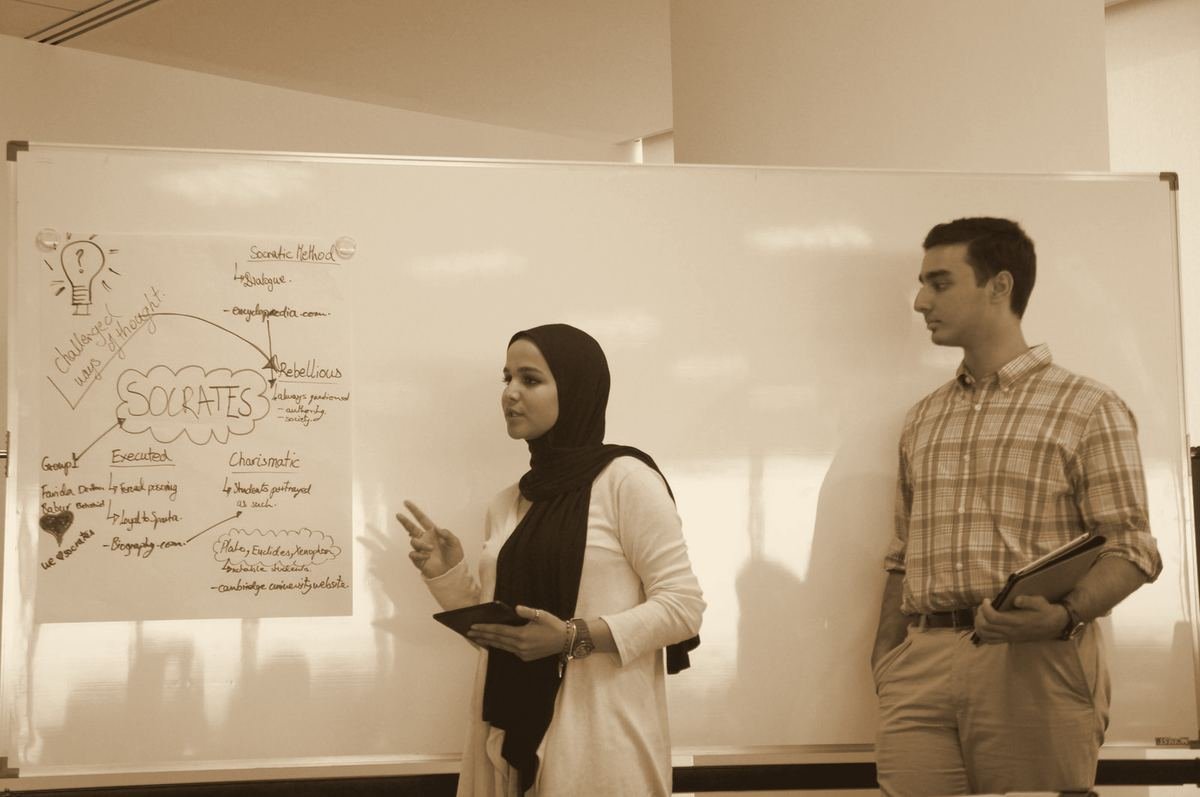
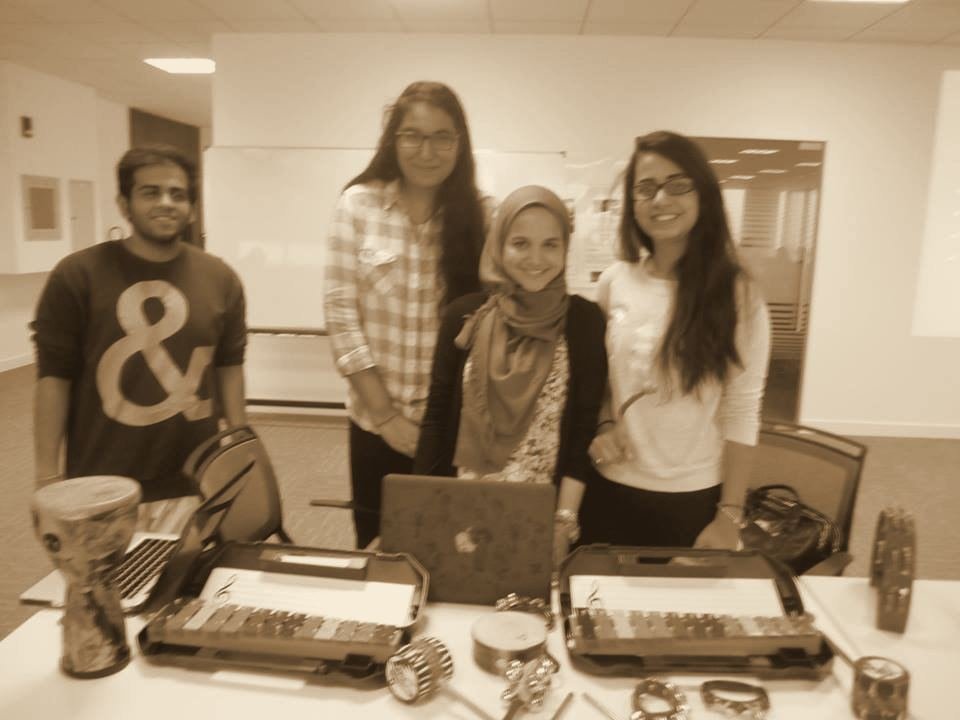
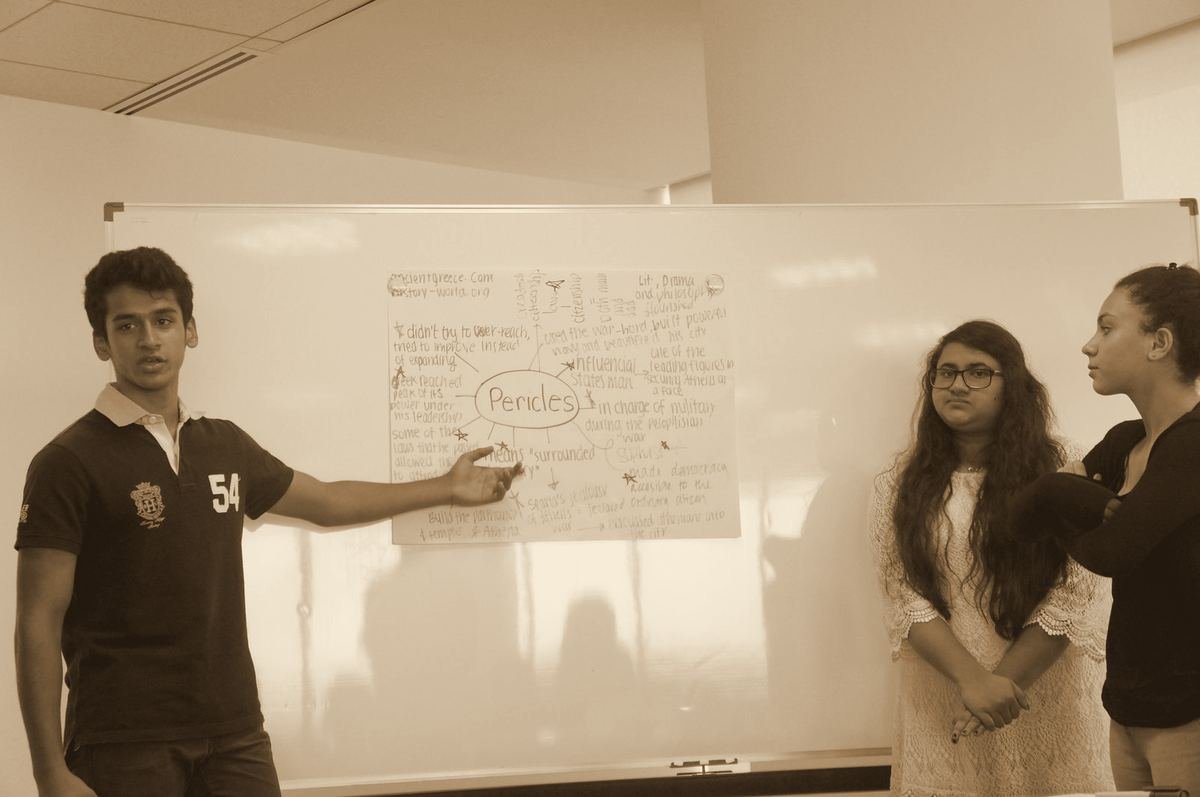
GEMS Honours students in a session
Honours students at work: big questions, bean bags and whiteboards.
The aims

Why an honours programme?

  1. Bring together able students and teachers who love to read, to think and to discuss ideas.
  2. Learn across subjects: literature, science, art, music, future studies, film and the humanities.
  3. Celebrate the power of ideas by visiting the great thinkers of the past and asking what they mean today.
  4. Give gifted and talented students texts and ways of thinking a regular classroom rarely has time for.
  5. Prepare students for a fast-changing world where technology grows at an exponential rate.
  6. Give students the chance to be leaders, critical thinkers, innovators and problem-solvers.
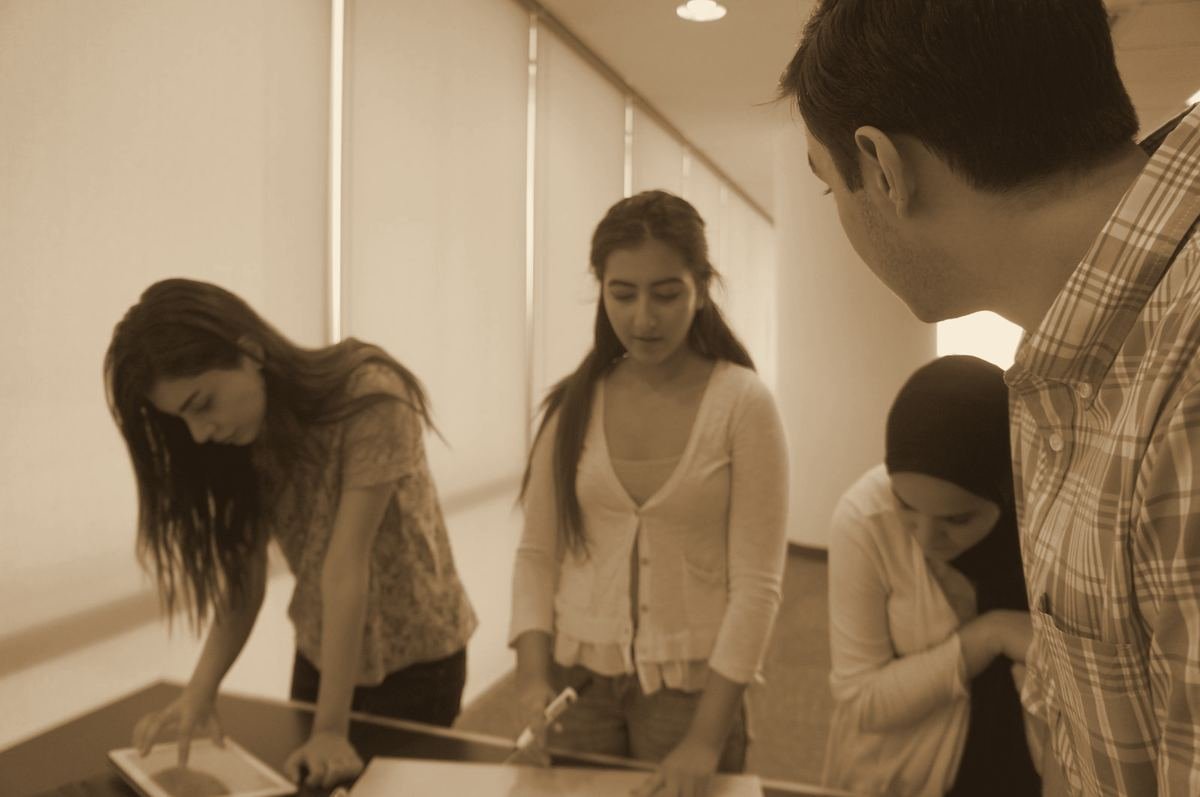
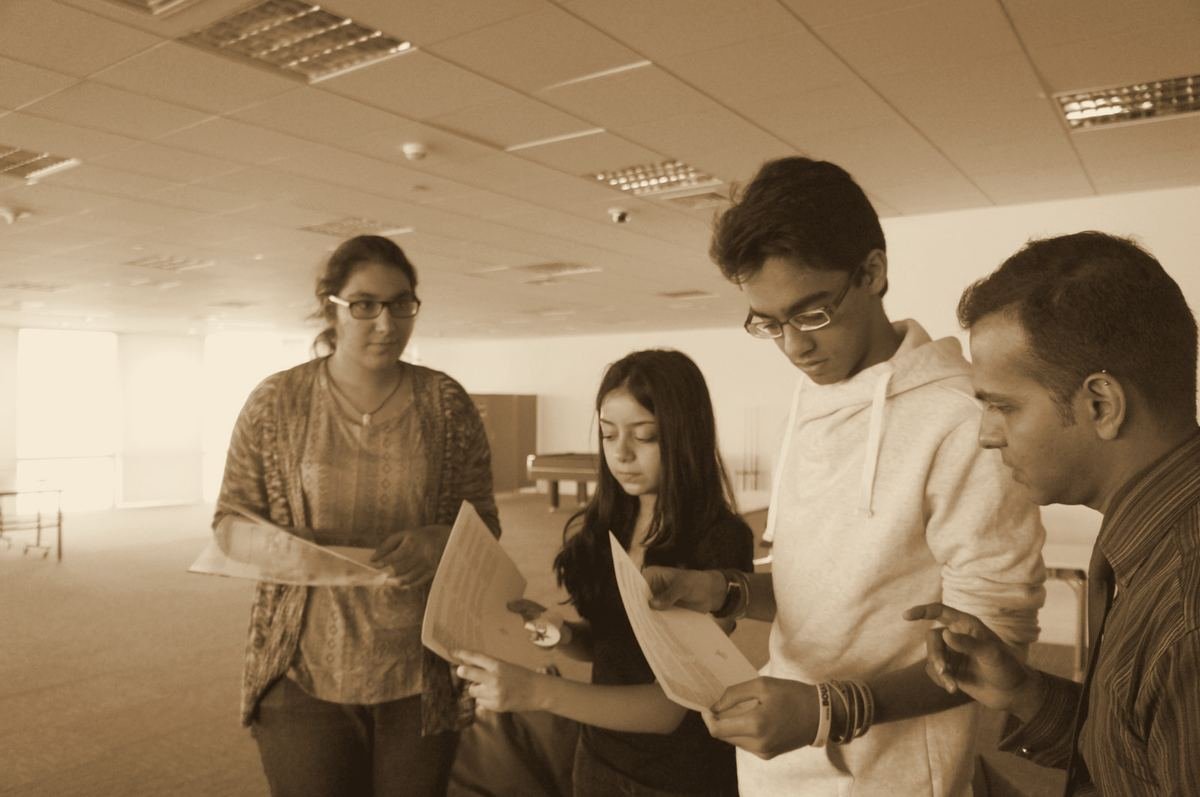
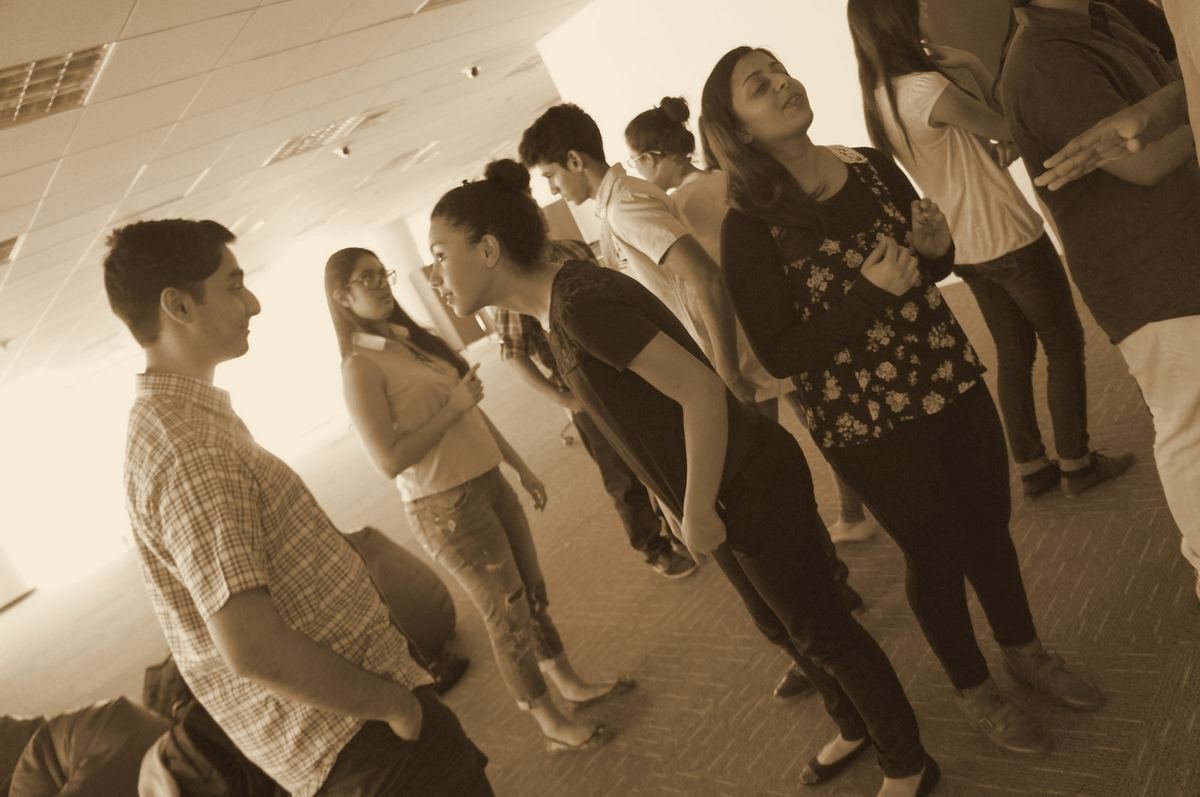
GEMS Honours students in a session
Debate, design and discussion.

Academic skills

Literary analysisGroup collaborationPresentationDebate and discussionResearch methodsTextual transformationRole play

Thinking skills

Critical thinkingCreative thinkingLateral thinkingDesign thinking

Intelligences

InterpersonalIntrapersonalLogical-mathematicalExistentialVisual-spatialBodily-kinaestheticLinguistic
Inside a session

Books, banjos, biscuits and bean bags.

Learning for the sake of learning, in a room where nobody is afraid of being wrong.

An energiser

Every session opens with something fun and thought-provoking, so the room relaxes and starts to think.

The big conversation

Discussion and debate around a thinker, an era or a text. Students sit anywhere, even on the floor.

Make something

Group activities: a song about a historic figure, a role play, a design challenge.

Reflect and write

Analytical and reflective writing after each session. No exams.

Out of the classroom

Field trips to museums, theatres and galleries, and talks on radio and in the media.

Meet the alumni

Conversations with former GEMS students now in honours and scholarship programmes around the world.

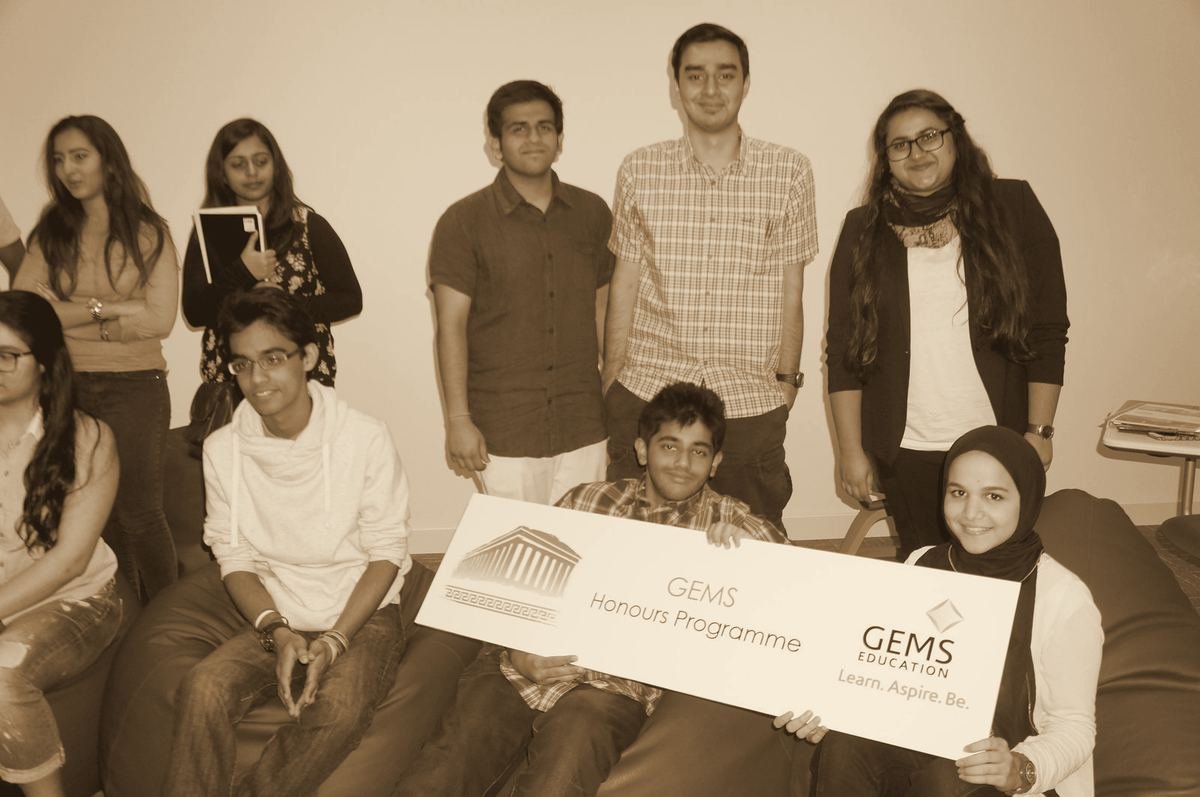
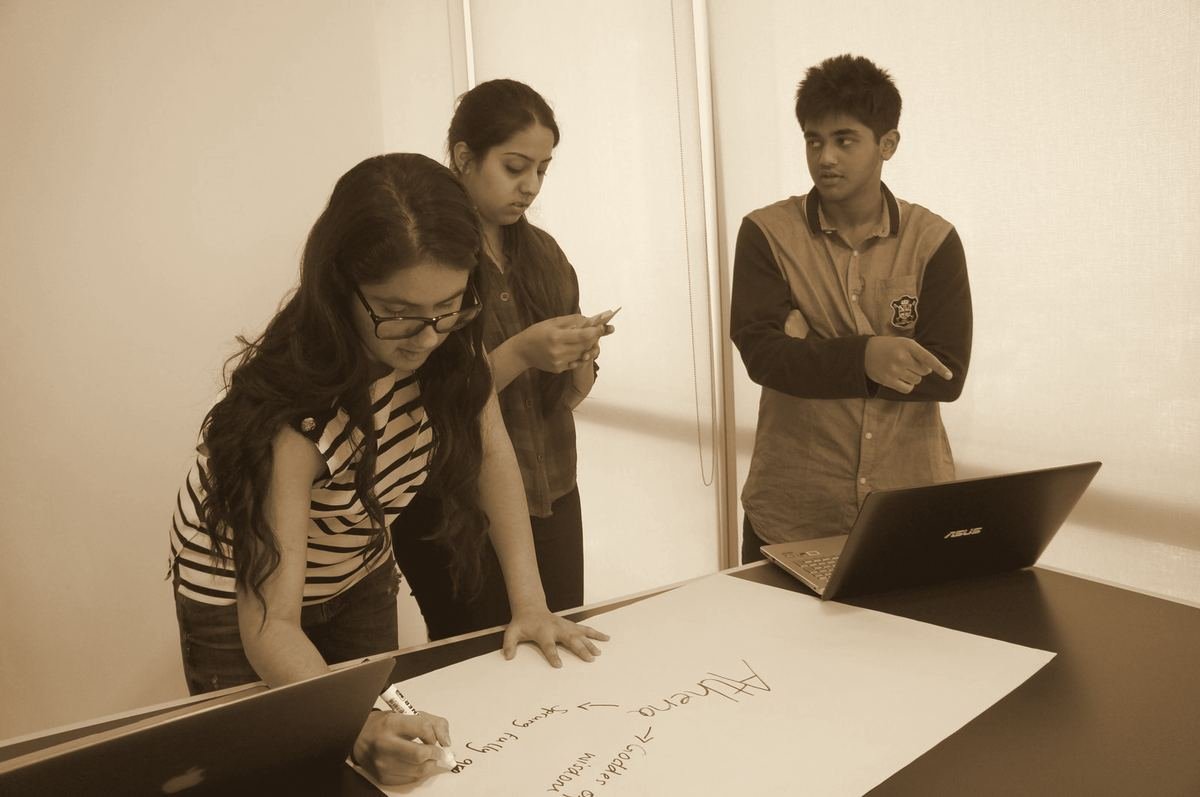
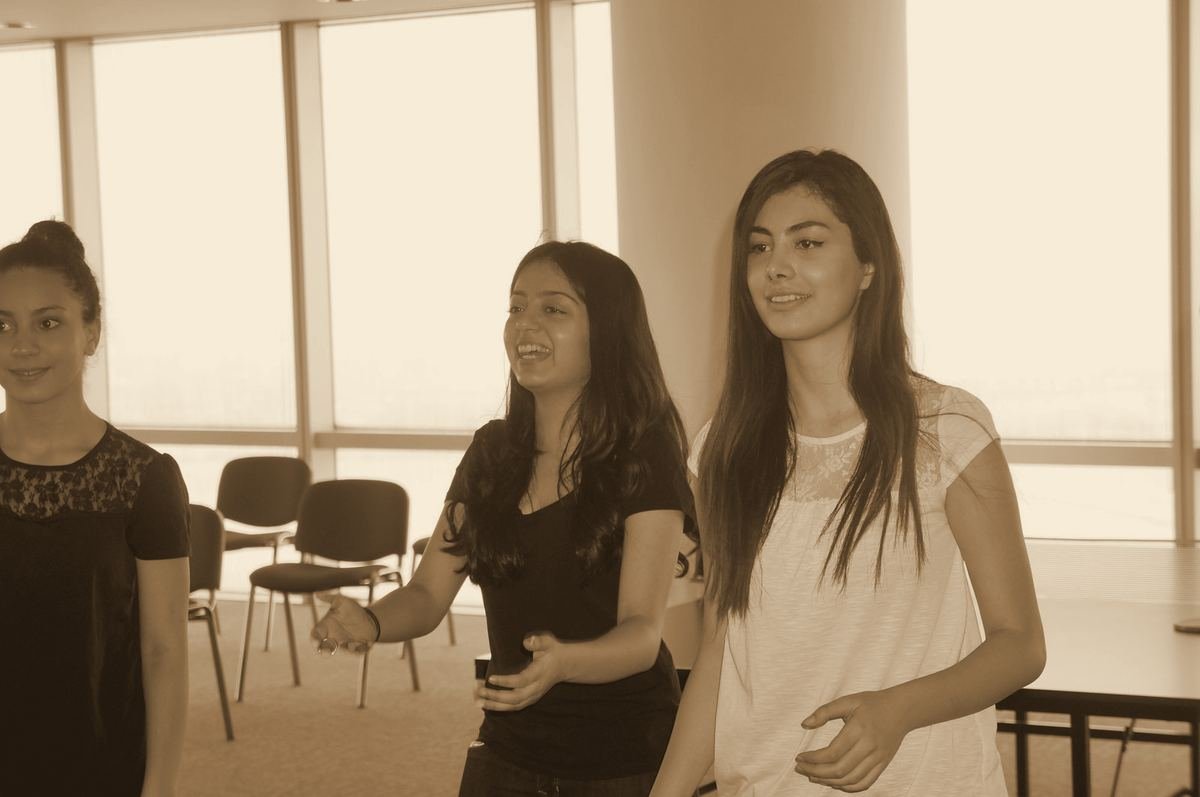
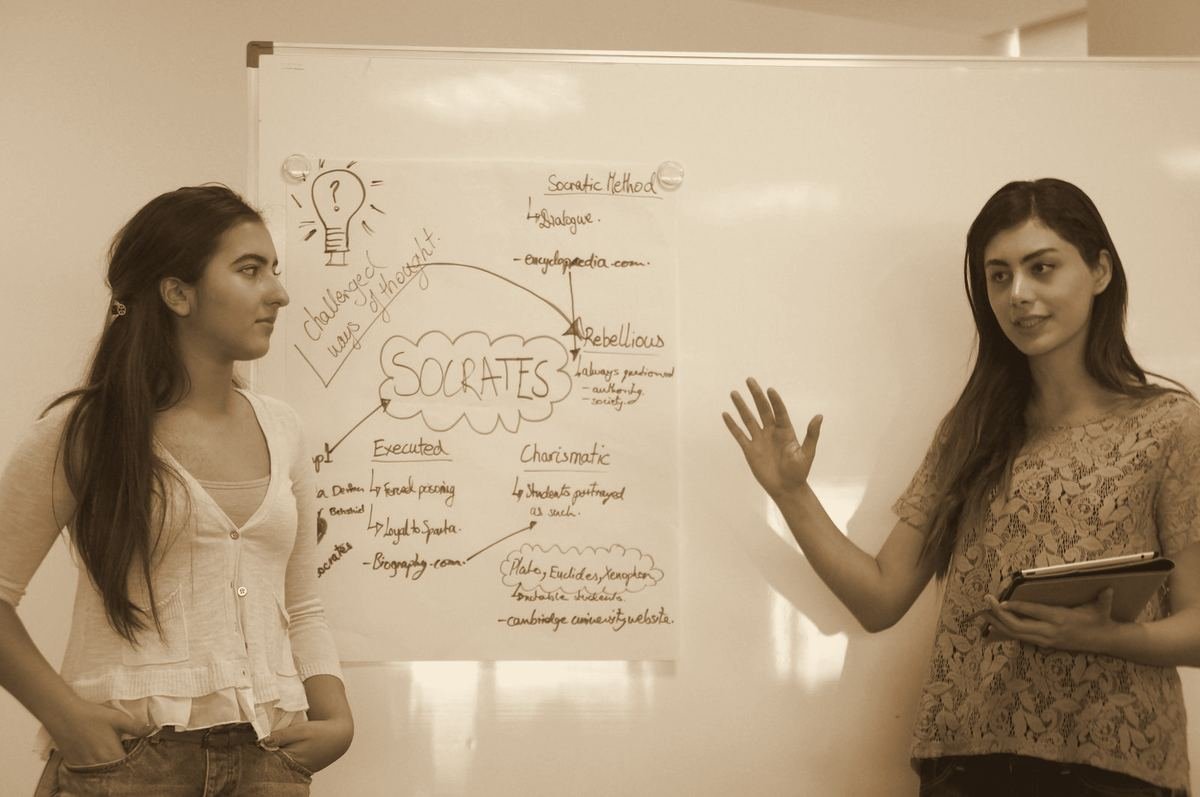
GEMS Honours students in a session
Inside the sessions, from the old Honours Programme gallery.
In their words

What the students say.

It takes students out of the monotonous classroom environment, and transports them to a place in which they can think critically and communicate their thoughts without the fear of being wrong.Bahar FerdosiThe Winchester School, Jebel Ali
We learn through books, banjos, biscuits and bean bags! I particularly like how the programme nurtures free thought in a supportive environment.Taher KathawalaWellington Silicon Oasis
GEMS Honours students
Learning from the past, comparing it to our present and stepping towards a future where knowledge is not just textbooks and our stage is not just the earth!Akshita DewanThe Winchester School, Jebel Ali
It has allowed me to evaluate historical events and judge the impact on the world as we know it today, drawing parallels between past civilizations and our modern society.Sasha NandaJumeirah College
GEMS Honours students
It is impossible to walk out of the honours program session without being mind-blown.Aashni UjraThe Winchester School
No longer do I associate stress and monotony with knowledge. By connecting with other brilliant minds, I have started perceiving reality through a diverse lens.Zainab LilakThe Winchester School
GEMS Honours students
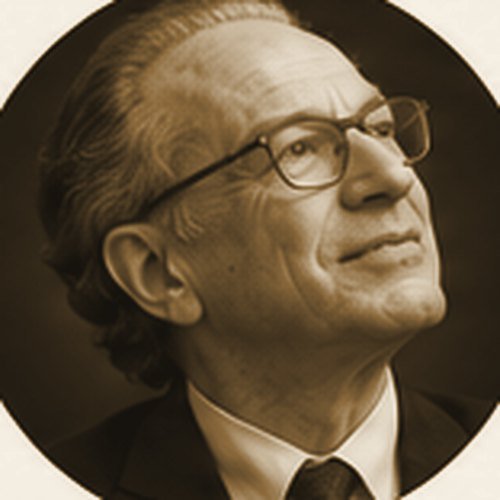
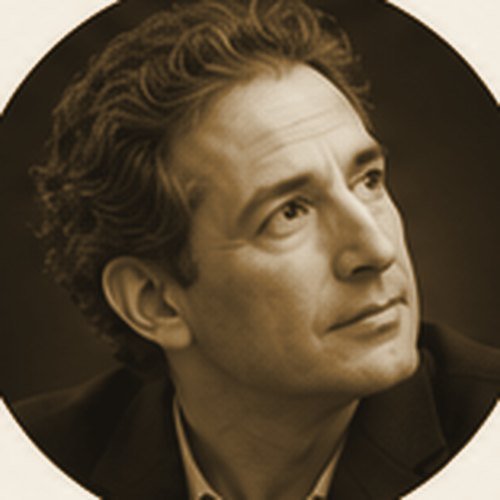
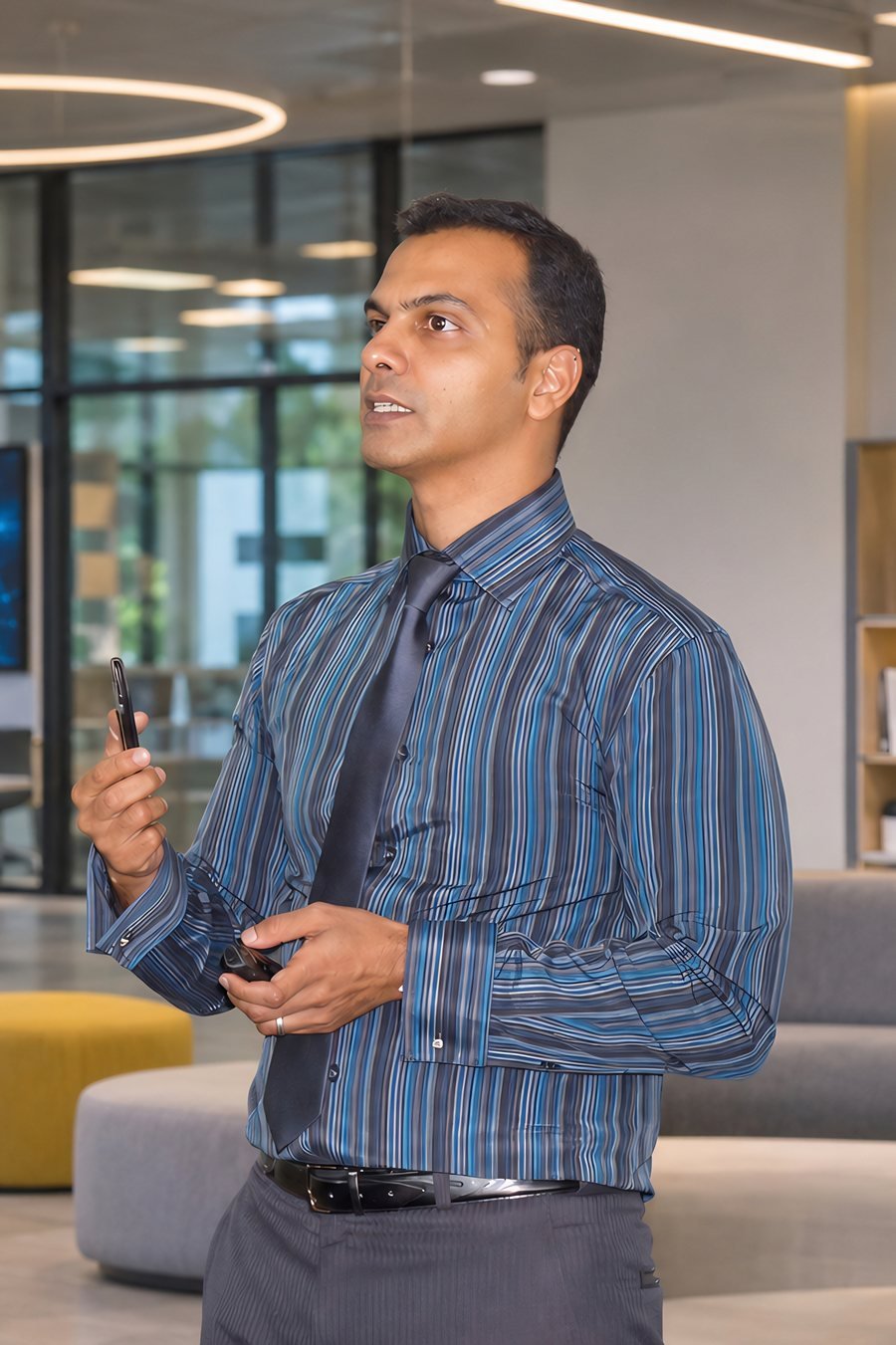
Rohan Roberts
Rohan Roberts, lead designer.
The designer

Designed by Rohan Roberts.

Rohan Roberts was the lead designer of the GEMS Honours Programme: its journey through the ages, its syllabus, its reading list and the shape of its sessions.

He built it around one belief: that able students deserve to meet the great ideas of every culture directly, to argue with them, and to leave with the courage to think for themselves.

“The unexamined life is not worth living.”
Socrates, in Plato’s Apology
Details

The programme.

For
Able, gifted and talented students in upper high school
Students from
Schools across the GEMS Education network, Dubai
Certified by
GEMS Education
Approach
Cross-curricular: arts, science and philosophy
Assessment
Discussion and reflective writing. No exams.
Lead designer
Rohan Roberts
See all curricula

Images: Wikimedia Commons, public domain except Samrat Yantra: Jakub Hałun, CC BY-SA 4.0; Astrolabe: Andrew Dunn, CC BY-SA 2.0; Starship: Steve Jurvetson, CC BY 2.0; Watt steam engine: Nicolás Pérez, CC BY-SA 3.0. Portraits: Rohan Roberts.

Keep exploring

More curricula.