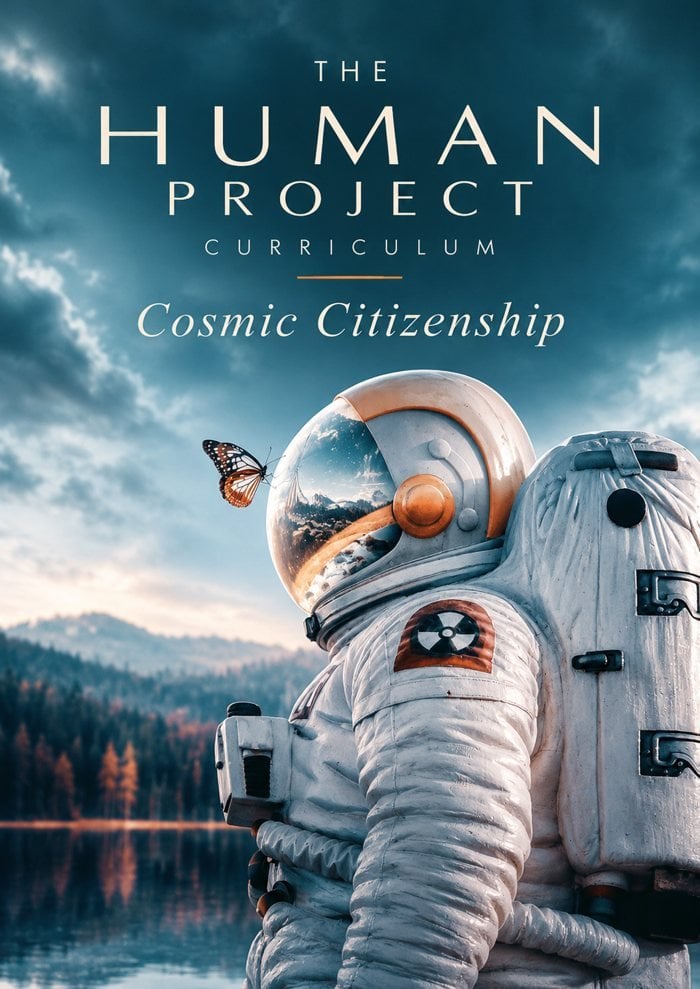
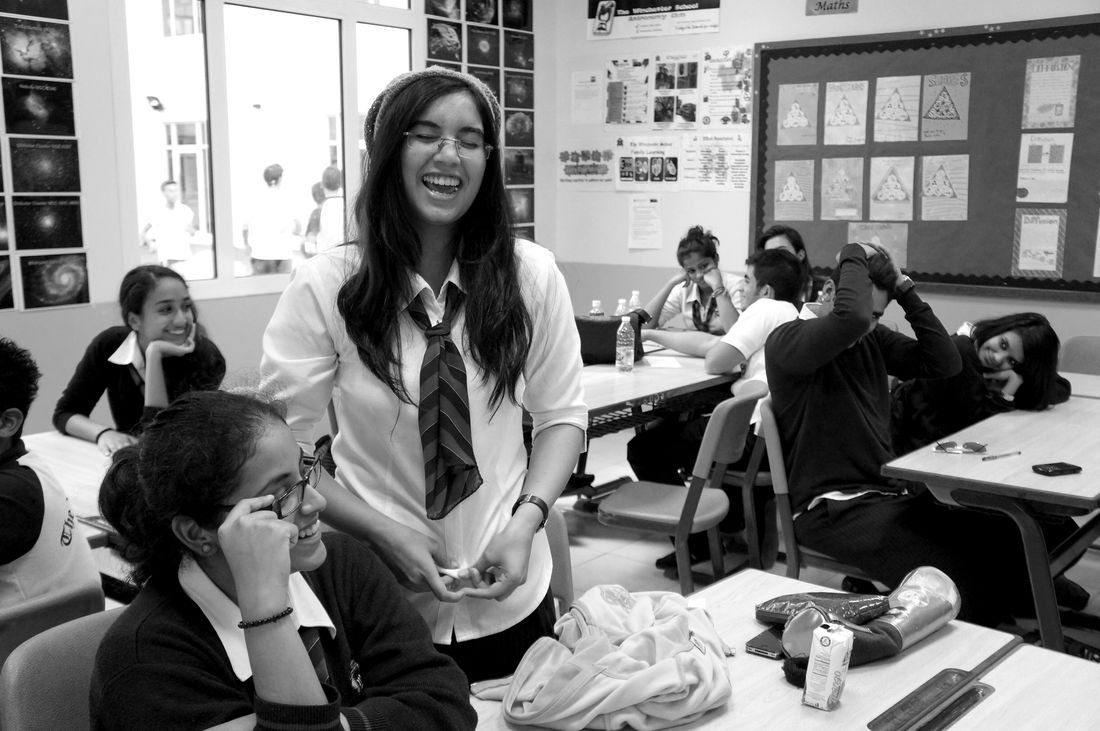
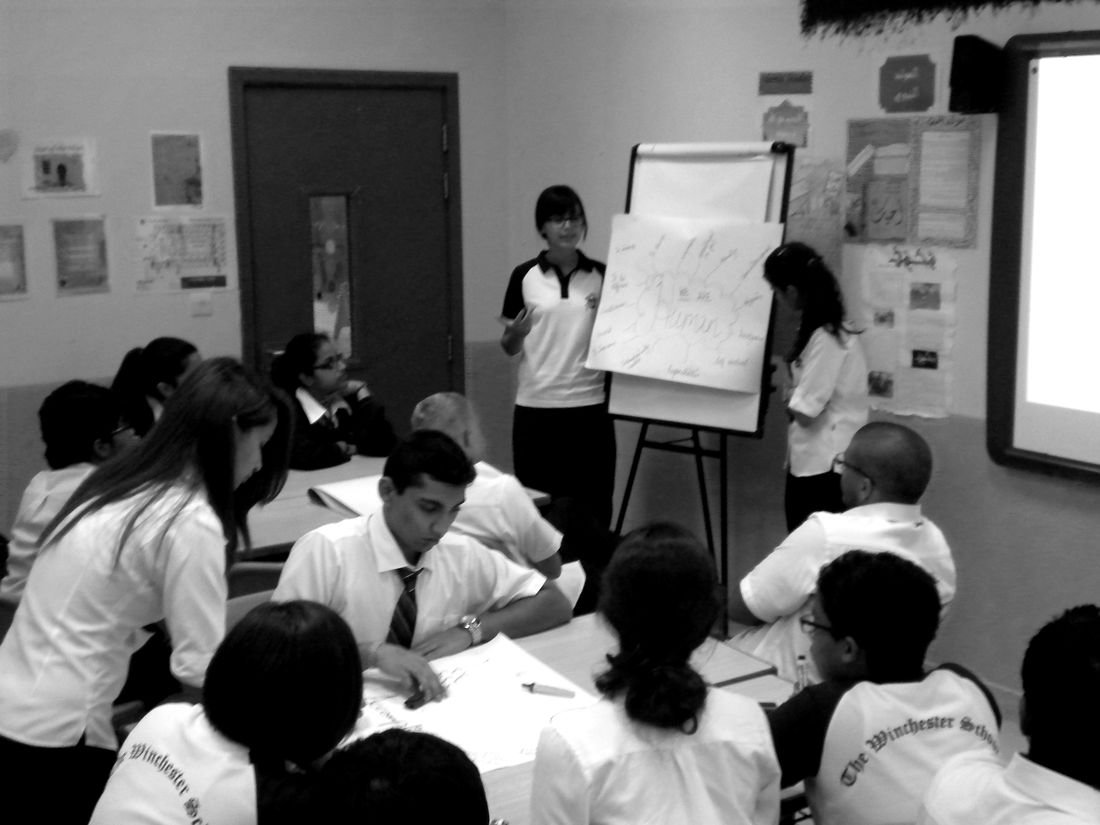
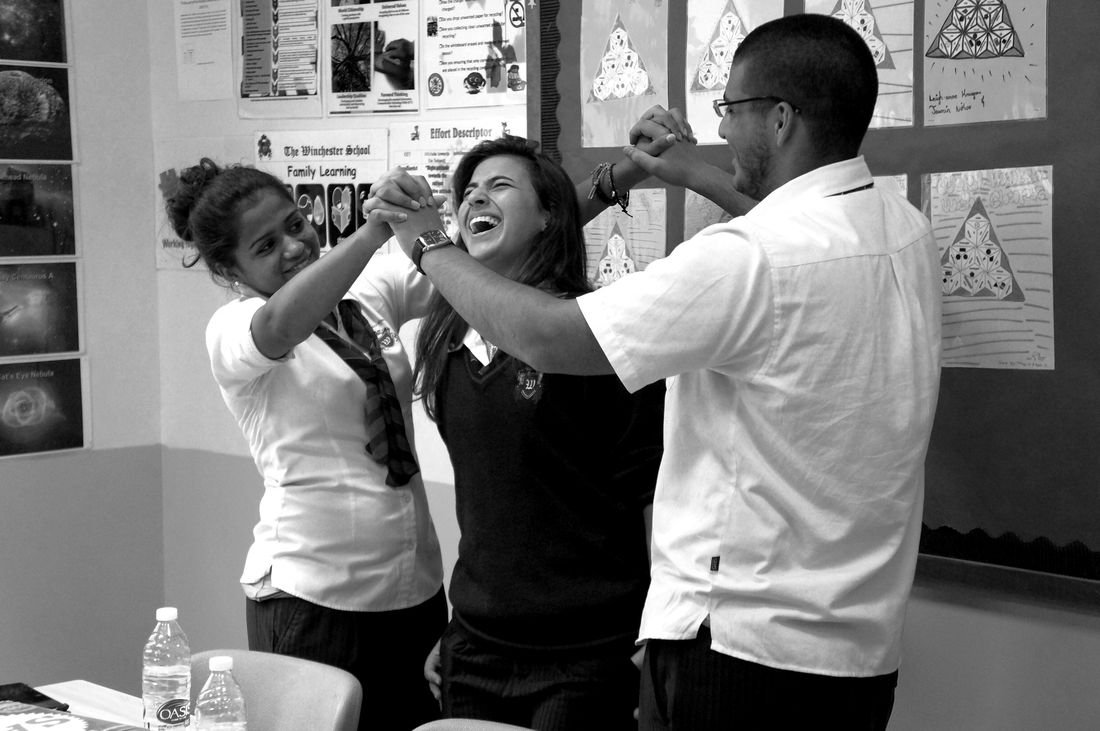
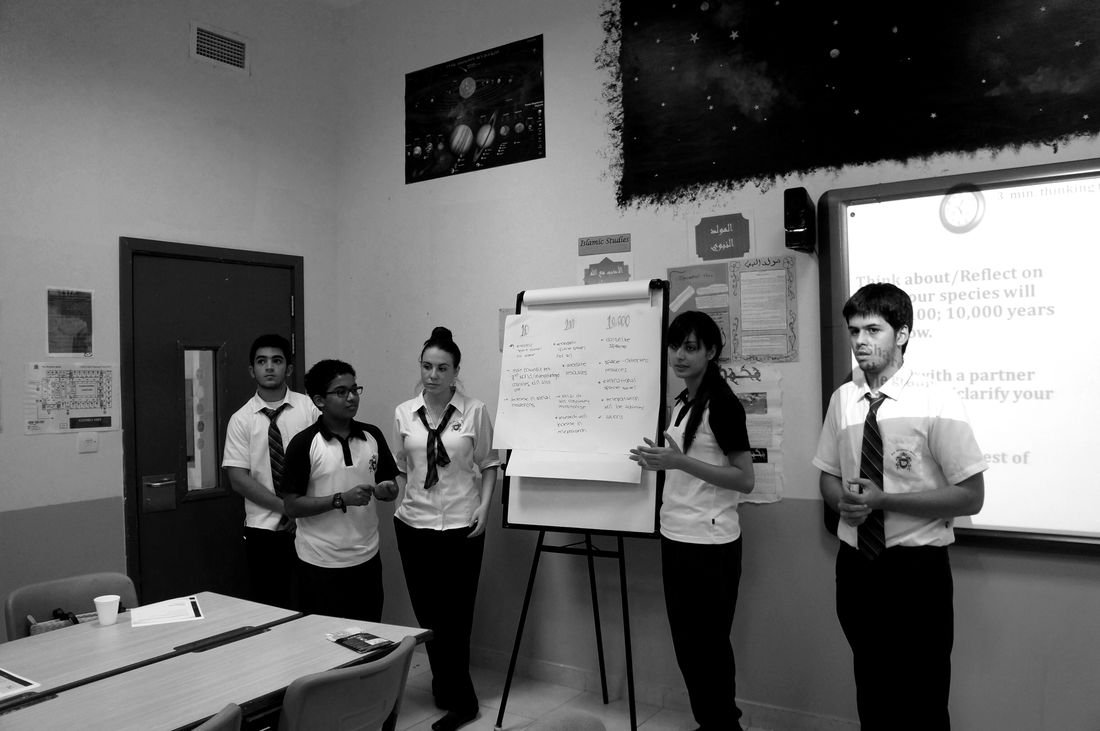
Fifteen lessons that help students aged 15 to 18 become more than global citizens: to take a cosmic perspective, face the existential questions of our species, and decide what their generation should do next.

Who are we, humans?
Who should we become?
Where should we head next?
What should our generation do?
We know more. We are more connected. We can think bigger, dream bigger, and mobilise at an unprecedented scale.Jason Silva, host of National Geographic’s Brain Games, made a series of short films for the HUMAN project. They open the lessons.
The HUMAN Project trailer, with Jason Silva.
The HUMAN project began as an app by Anna Stillwell and Erika Ilves: an invitation to wrap our minds around the big questions, from the existential threats facing our species to our place in an incomprehensibly vast universe.
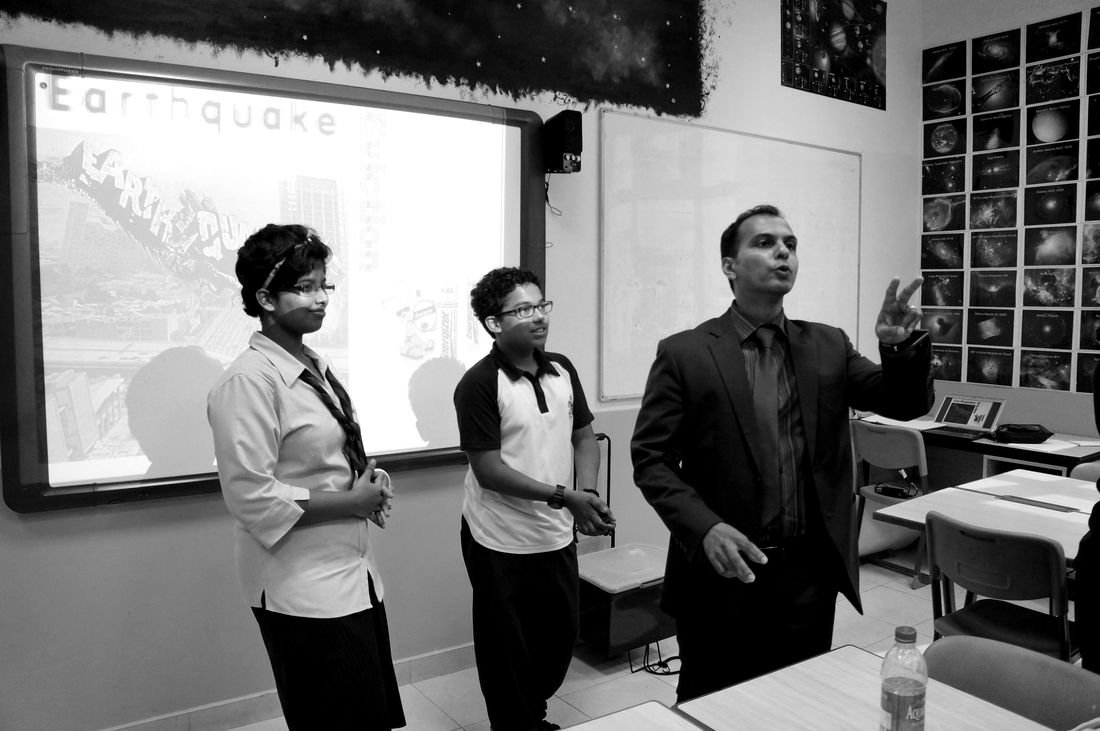
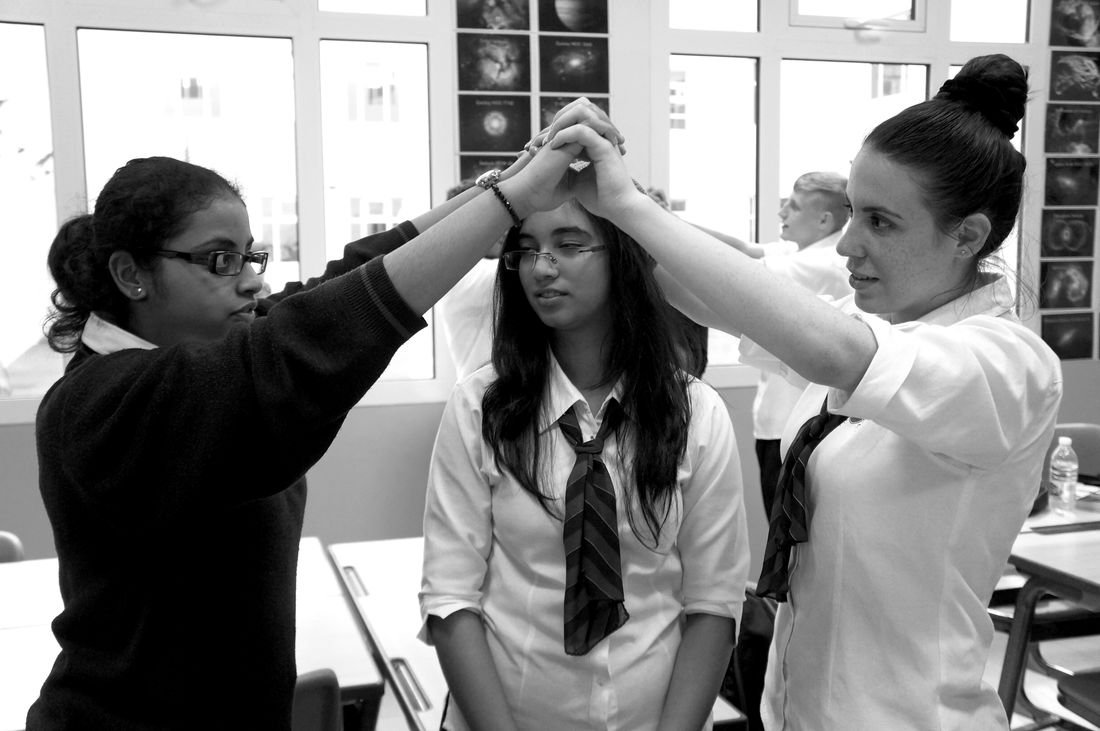
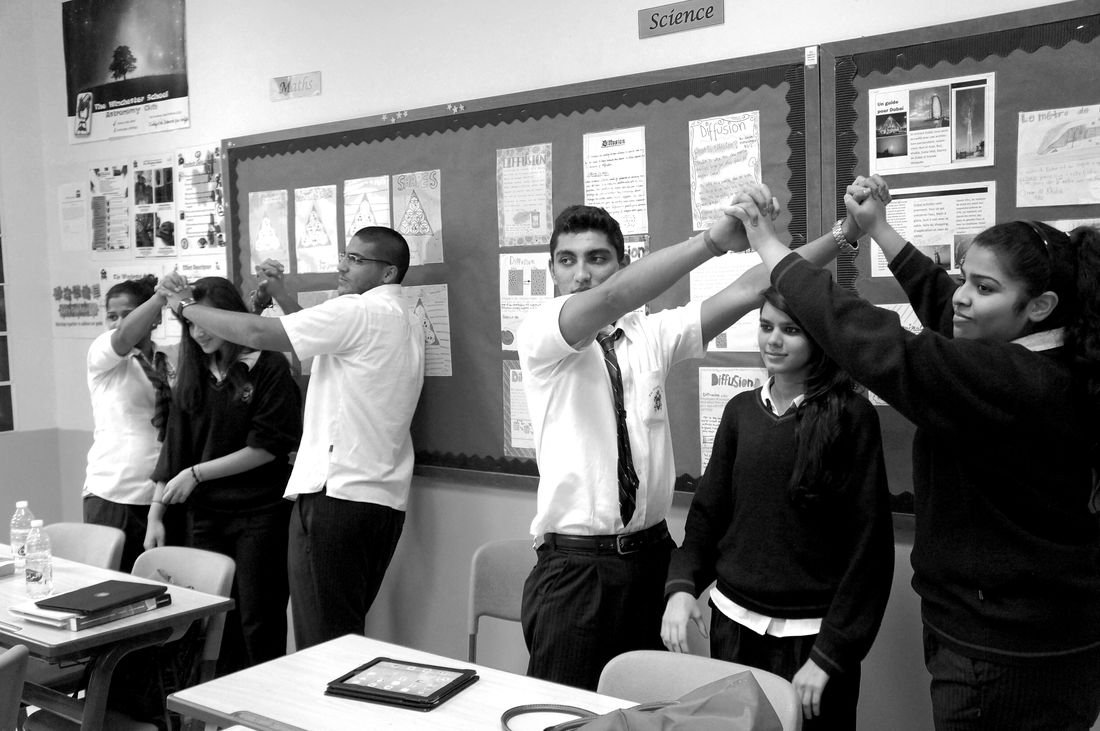
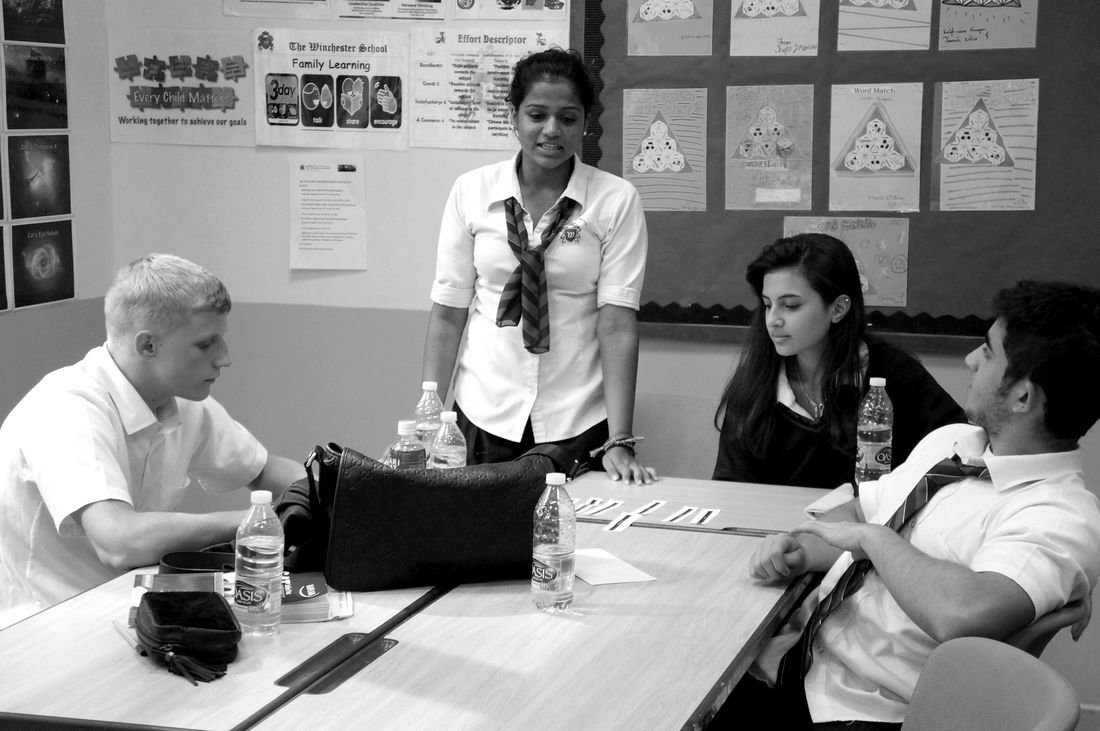
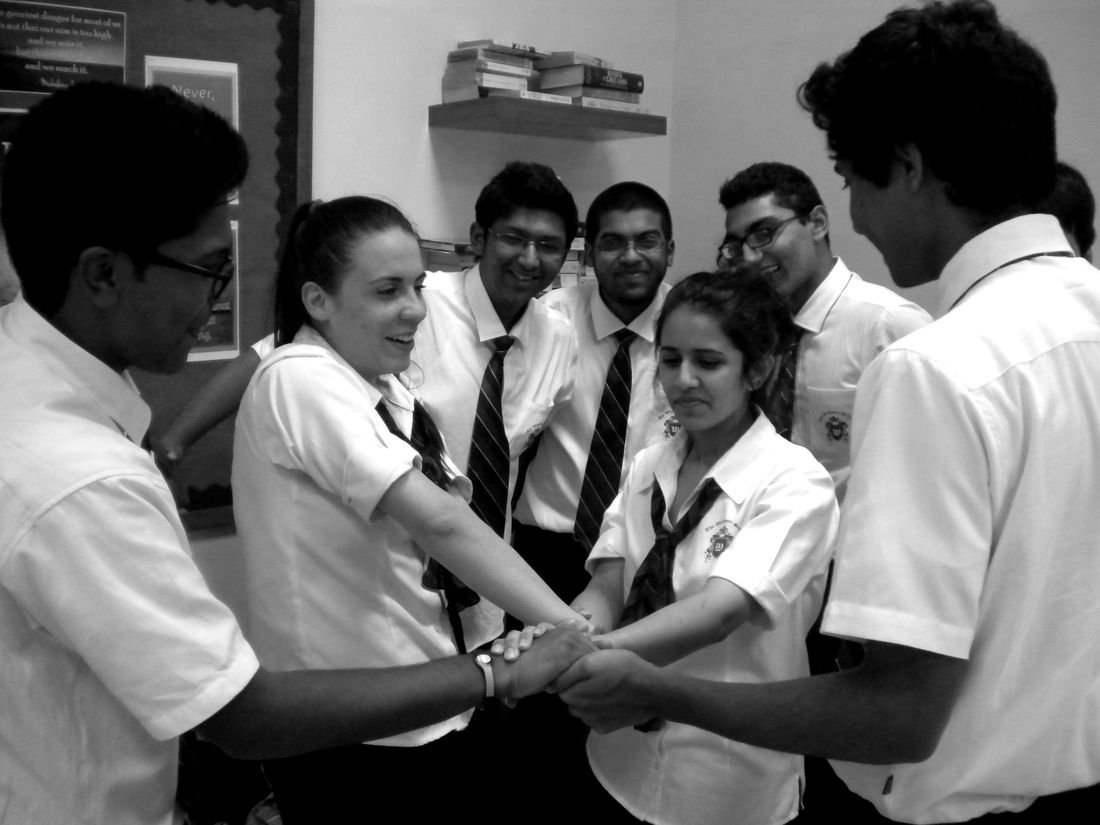
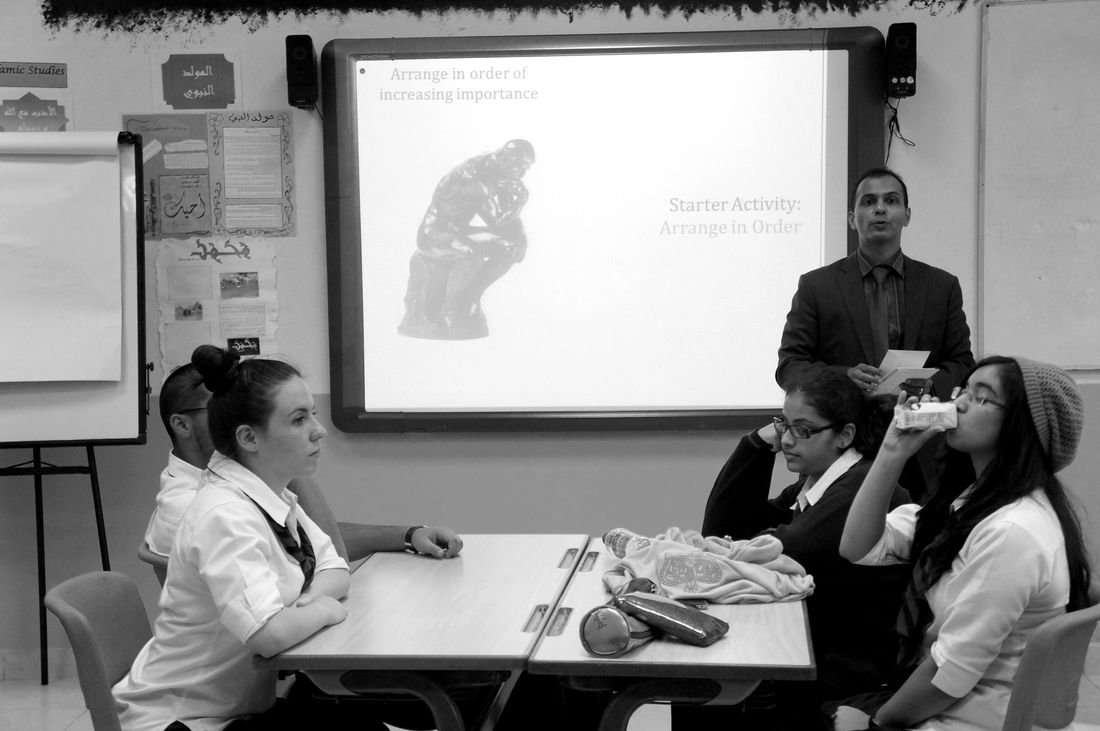
Rohan Roberts turned those ideas into a full curriculum for young minds. Design thinking, collaborative and active learning, critical-thinking exercises, independent research, playful starters and plenaries, and higher-order questions help students come to grips with our place in the universe and the concerns of 21st-century existence.
The lessons make links across Futures Studies, Cosmology, Global Perspectives, Philosophy, Literature and the Sciences.

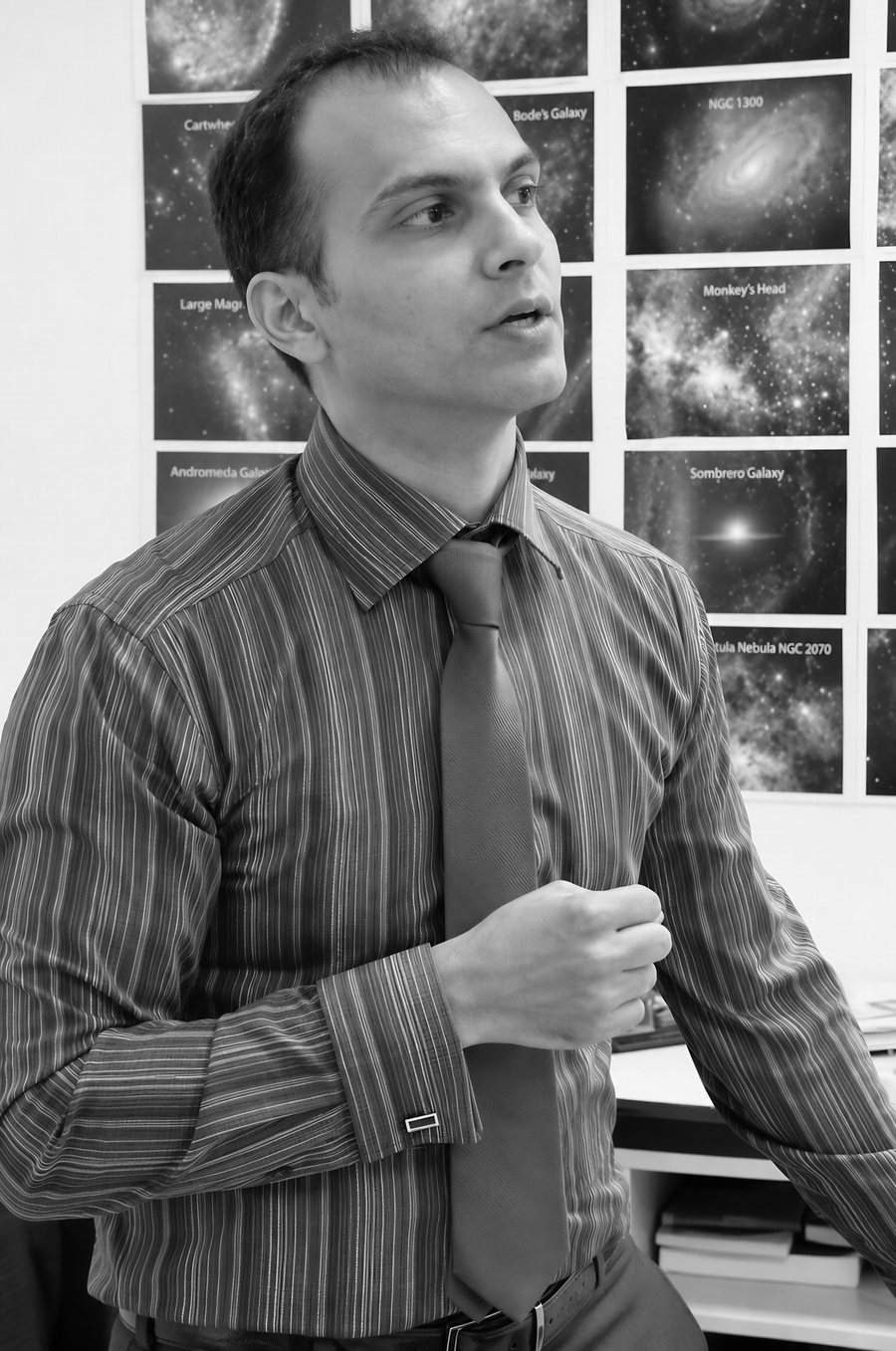
Rohan Roberts was the lead designer of The HUMAN Project curriculum. He wrote the curriculum content, all fifteen lesson plans, the slides and the teacher notes.
Building on Anna Stillwell and Erika Ilves’s HUMAN project, he turned big ideas about our species into hands-on lessons where students argue, build, perform and imagine.
The three questions every generation has to answer for itself.
One species, not yet of one mind. What it means to share a humanity, and why our story about ourselves shapes our future.
Shared humanityBeing and becoming. Where might we be in 10, 100 and 10,000 years, and what is the human project for?
Human purposeOne brief life set against infinity: Zeno, Hotel Infinity, fractals and the long relay of generations.
The meaning of one lifeWho we are, told at three scales: matter, life and culture.
Our material connection with the universe. Stardust, atoms and what E=mc² really says.
Cosmic originsWhat counts as life, and what life beyond Earth might look like.
Life and astrobiologyThe creative species. Culture, cultural learning, and the difference between genes and memes.
Genes and memesNine lessons on how we think, live, know and grow, and where we go next.
The challenges that could end us and the milestones we could reach by 2050.
Humanity 2.0Sustainability from a pale blue dot. Students write a charter for Club EARTH 2050.
Club EARTHRational and irrational memes, the roots of conflict, and a Peace Meme Collaborative.
Conflict resolutionCreativity, multiple intelligences and what a well-spent human life looks like.
CreativityFact and opinion, and whether science is the best way we have to know things.
The jump to universalitySix Thinking Hats on our power, and what it could mean to be human far into the future.
Knowledge and powerFrom the printing press to the internet. Students design a Library of Utopia.
Library of UtopiaGovernments, markets, massive-scale collaboration and philanthropy: how we pull together.
Collective actionWhy we might leave our planet, what cosmic culture could be, and a charter for the cosmic citizen.
Cosmic citizenshipEvery lesson starts with an energiser and ends with a plenary. In between: mini-presentations, posters, debates, drama and design challenges.


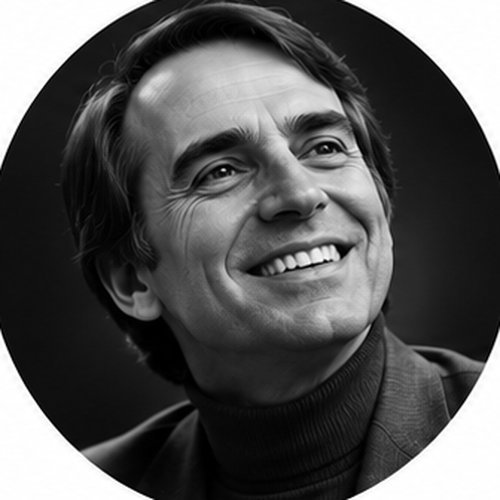
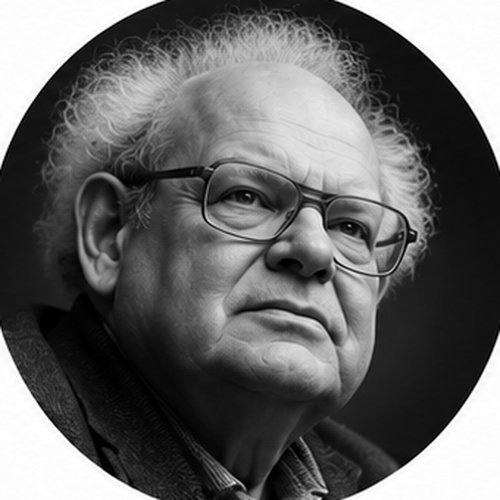
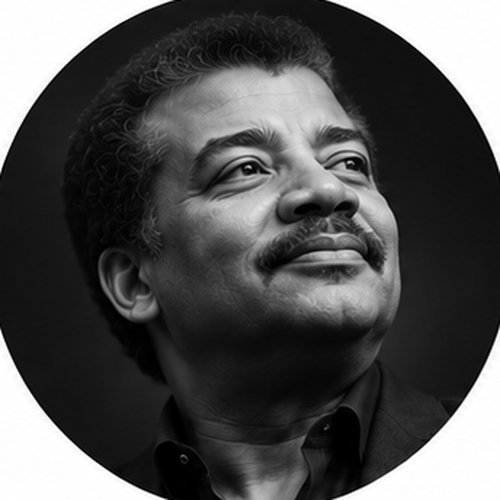
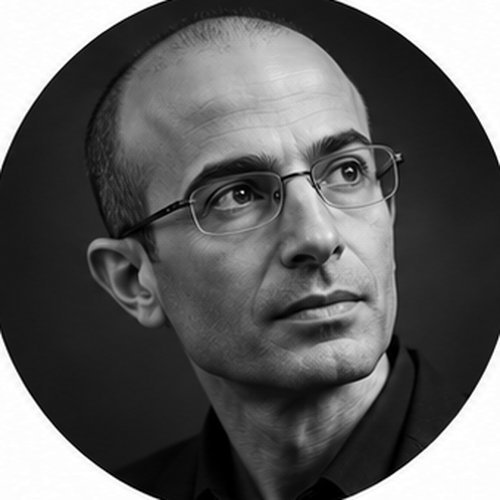
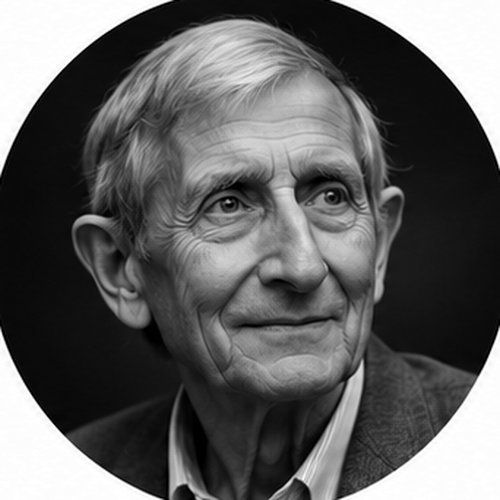
The cosmic perspective at the heart of the course: one small planet, one shared home.

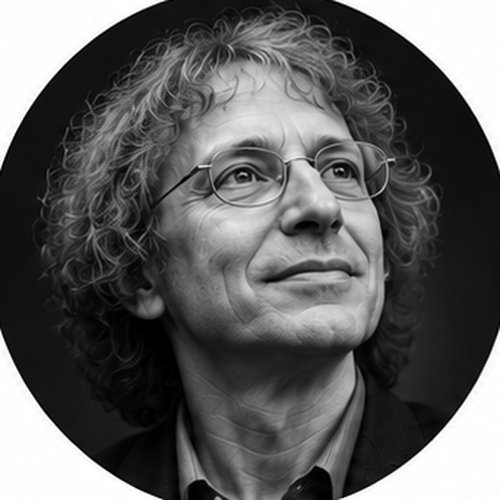
The jump to universality, and why problems are soluble.

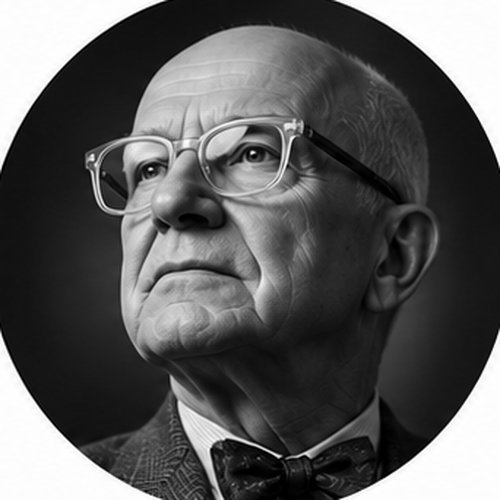
Earth as a ship we all crew, and design as a way to do more with less.

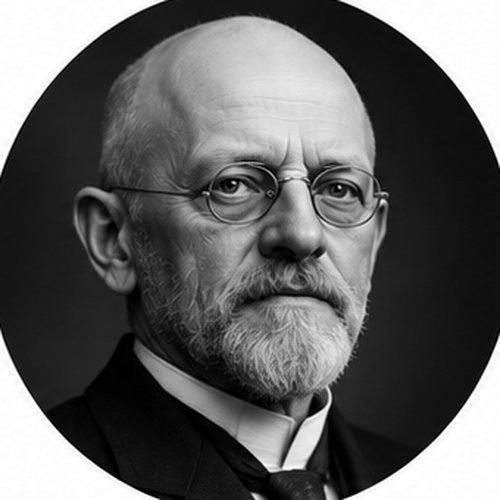
The mathematician behind Hotel Infinity, where a full hotel always has room.

Fractals: endless detail from simple rules.

The universe explained with joy, for everyone.

How shared stories let our species cooperate, and where they may take us next.

Bold, careful thinking about life spreading beyond its home planet.
Short films by Jason Silva, made specially for the HUMAN project, open many of the lessons: one-minute bursts of awe on who we are, what we are made of, and where we could go.


The app by Anna Stillwell and Erika Ilves that the curriculum is built on. 1 minute.
“The Human Project has allowed me to think about the bigger questions and has given me the opportunity to broaden my perspective. It’s made me think about what’s important, what really matters and what having a cosmic perspective means and for that, I am forever grateful.”Yolany Aher
“The Human Project Curriculum has infused me with a greater appreciation for the importance of employing a cosmic perspective. It has helped me see the importance of creating solutions and focusing on current and future innovations. This IS the beginning of infinity.”Edeline D’Souza
“This wonderful program has made me contemplate my future and the future of my species. It has encouraged me to always be a student of knowledge.”Usama Iqbal
“The Human Project is the beginning of a new era in my life. It has helped me change the way I think.”Mehmad Humbal
“‘There is something incredible out there waiting to be discovered’ (Carl Sagan). The Human Project has taught me to take a cosmic perspective and to live life in such a way that it contributes positively to the generations to come.”Behshid Behrouzi
“‘We are diverse, yet united. We are on our way to be everything we want to be.’ Discovering ourselves as a species, aiming at the possibilities, stretching our imagination with a tinge of intelligent optimism and focusing on our sheer potential are the motives of this revolutionary idea, and it has taught me to look at the future through another perspective.”Nikita R.
“Being part of the Human Project curriculum was truly an honour as it has enabled me to actually step back and think about what I can do to move the human species forward. It truly was an inspiring experience.”Aeverie Polintan
“These sessions have been such a breathtaking experience. It tells us how fragile we are, which makes us want to broaden our horizon to preserve humanity and strive to achieve our milestones.”Dalia Wehbe
“After going through the Human Project curriculum, my perspectives on everyday life and everyday problems have drastically changed. My vision has broadened to view the Earth from a cosmic perspective. I highly recommend that other schools teach this course.”Aadil Kumar
“This whole journey throughout the year with the astronomy club and the HUMAN project curriculum has been such a mind-blowing experience. I have grown as a thinking person. I couldn’t have asked for anything better as an extracurricular than this.”Amro Hesham
“We discussed how human beings can make a difference on this Earth as well as to expand our minds to new possibilities and ideas. I am so glad that I had the opportunity to be a part of this programme and I hope other schools introduce these sessions too.”Soehl Abraham
“The Human Project curriculum was a wonderful learning experience for me. It is a refreshing change from the usual curriculum. It provides insight into human existence and our universe.”Fatima Abbas
In the last lesson, “How we expand our presence”, they wrote their own Charter of Rights and Responsibilities for the cosmic citizen. This is how the lesson builds it.
The whole course is free. Open the lesson plans, slides and notes, and run The HUMAN Project in your own school.
15 one-hour lesson plans with energisers, starters, activities, plenaries and resource sheets.
Open PDFPresentation slidesThe slides for every lesson, ready to teach from.
Open PDFPresentation notesTeacher notes that walk through each slide.
Open PDFThe HUMAN project e-bookThe book by Anna Stillwell and Erika Ilves that the curriculum is built on.
Open PDFThe photobookThe course in pictures.
Open PDFCertificate of completionThe certificate students receive when they finish the course.
Open PDFThe HUMAN project content is licensed under Creative Commons as a Free Culture licence: give credit, and share what you build on it.
“We are a creative species. We practise the most complex art in our universe: cultural learning. We are our own work in progress.”From Lesson 1, “Who are we?”