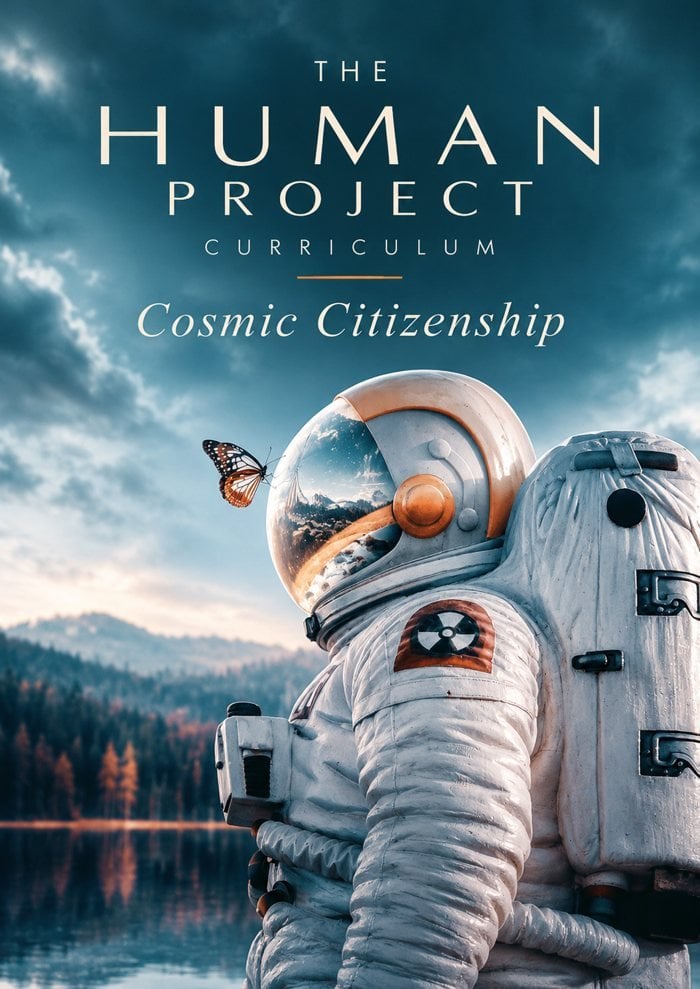
Nine live, space-themed online workshops created for the Saudi Space Commission's AJYAL Space programme in 2020. Delivered in Arabic to high-school students across the Kingdom, with a cumulative audience of more than 100,000.

AJYAL Space is one of the most important programmes of the Saudi Space Commission. It develops human capital for the space sector, widening the horizons of learning and research in science, technology and innovation, so that new generations can become pioneers in space technologies and their uses.
In 2020, SciFest Dubai partnered with AJYAL Space to create and deliver nine space-themed online workshops for high-school students in the Kingdom of Saudi Arabia. The programme was delivered in Arabic, and its cumulative online audience was over 100,000.
Its aim was simple and ambitious: to inspire a new generation of young Saudi space explorers with the wonders of science, technology and the cosmos.
The benefits of space exploration, the scales of the universe and what it means to be a cosmic citizen.
Rocket propulsion, escape velocity, satellites, the International Space Station and the life of an astronaut.
Threats from space, the challenge of Mars, and the fragile pale blue dot we call home.
Rohan Roberts was the lead designer of the AJYAL Space Programme, its Chief Programme Designer. He created the programme, designed all nine sessions and their objectives, and shaped the arc from the case for space exploration to the Pale Blue Dot.
The programme ran in Arabic. Hajer Abdulsalam translated it, and Lara Matossian delivered it live in Arabic as lead host. It was created by SciFest Dubai in partnership with the Saudi Space Commission. This page presents it in English.
Lead designer: the concept, the nine sessions and every objective.
Translated the programme into Arabic.
Lead Arabic host, delivering every session live in Arabic.
Created by SciFest Dubai for the Commission's AJYAL Space programme.
“Look again at that dot. That's here. That's home. That's us.”Carl Sagan · Pale Blue Dot (1994)
Why our species is a species of explorers, and what space exploration gives back.
From a billion to the edge of the observable universe.
What it means to see ourselves as citizens of the cosmos.
The challenges from space that could affect the survival of our species.
How rockets leave the Earth, stage by stage.
The machines that circle our planet, and the people who live above it.
The path to space, told through the first Arab and Muslim astronaut.
What it will take for humans to live on Mars, and why it matters.
Seeing our whole history in the context of the cosmos.
Carl SaganPale Blue Dot (1994)The cosmic perspective, and the dot we call home.
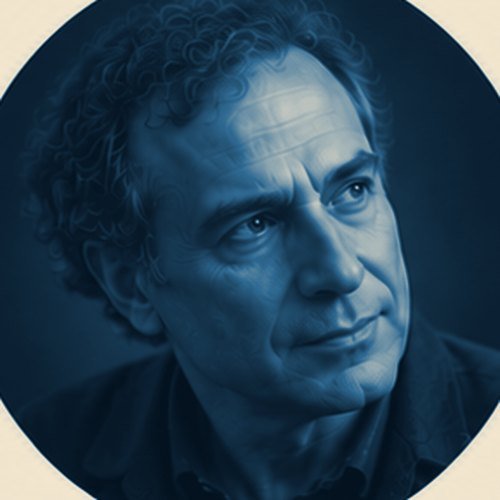
Neil deGrasse TysonAstrophysics for People in a Hurry (2017)The scales of the universe, made clear.
Konstantin TsiolkovskyThe rocket equation (1903)The mathematics of leaving the Earth.
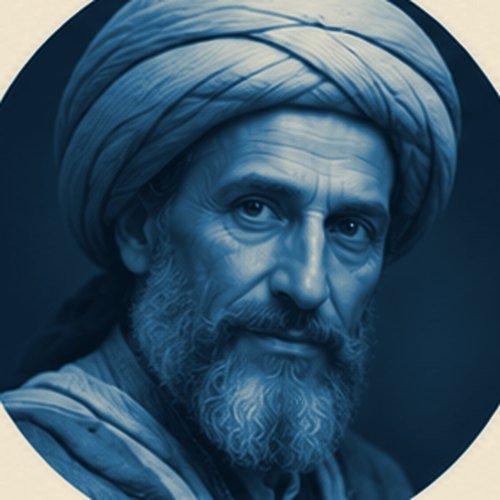
Ibn al-HaythamBook of Optics (11th century)Light, vision and a method built on experiment.
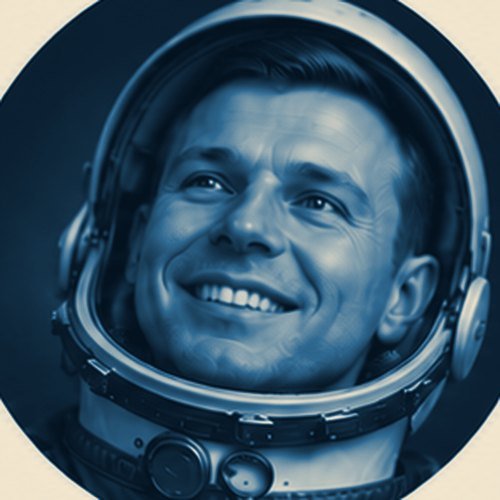
Yuri GagarinVostok 1 (1961)The first human in space.
Robert ZubrinThe Case for Mars (1996)A plan for humans on the red planet.
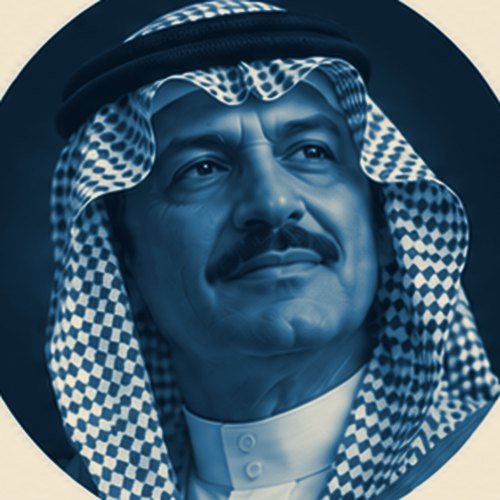
Prince Sultan bin Salman Al SaudSpace Shuttle Discovery (1985)The first Arab and the first Muslim in space.
Rayyanah BarnawiAxiom Mission 2 (2023)The first Saudi woman in space.
Robert H. GoddardThe first liquid-fuel rocket (1926)The launch that began modern rocketry.
Muhammad ibn Jabir al-BattaniMeasuring the solar yearAn Arab astronomer whose precise observations shaped astronomy for centuries.
Online presentations and storytelling segments that bring the cosmos to life.
Facilitator-led activities, with recorded and live experiments.
Online polls, virtual simulations and open questions, so every student takes part.