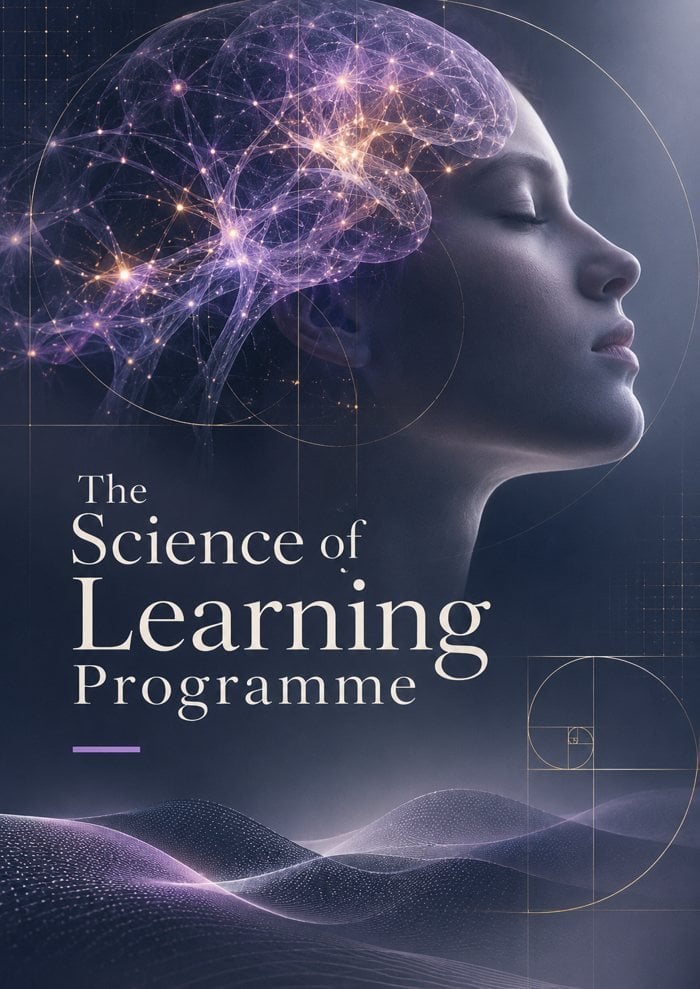
A first-of-its-kind programme for upper-primary and middle-school students: twelve modules on how learning really happens in the brain, and how to use that knowledge to learn better.

The science of learning is an interdisciplinary body of knowledge that helps us understand the cognitive and social processes that result in the most effective learning.
This programme takes existing cognitive-science research about how students learn, and connects it to practical implications for teachers and students. Every student and teacher should have a working understanding of how learning happens, and know how to use it.
It shows how learning is consolidated in the brain and how memory works, improves motivation and real-world application, builds metacognition so students learn how to learn, and clears away common myths about learning.
It starts early on purpose. Between the ages of nine and fourteen, students are forming the study habits they will carry for life. Learning how memory works before the exam years means good habits arrive before bad ones set in.
Neurons, working memory and long-term memory: how new information is processed, encoded and retrieved.
Retrieval practice, spacing, interleaving, dual coding and desirable difficulties: strategies that make learning stick.
Growth mindset, motivation, metacognition, sleep, stress and the social brain.
Rohan Roberts was the lead designer of the Science of Learning Programme. He created the course, wrote its twelve lesson plans and shaped the arc from the human brain to the social brain.
Each lesson plan comes with its own slide deck, so any teacher can run the course as a facilitator and co-learner, without being an expert in neuroeducation.
Lead designer: the concept, the two units and all twelve modules.
A full lesson plan and a slide deck for every module.
Teachers model good learning, and learn alongside their students.
Built on current research from neuroscience and cognitive psychology.
“Learning takes place in the brain. Teachers are brain-changers.”David Sousa
Why the science of learning matters, and a first look at the brain.
How information travels through the brain and stays there.
Growing from prior experience and from past mistakes.
Explicitly thinking about how we think and learn.
What motivates students, and how learning becomes their own.
What the evidence says about the brain, and what it does not.
Why we forget, and how to make information stay.
Pulling knowledge out of memory is what makes it last.
Spread it out and mix it up.
How much the mind can hold at once, and how words and pictures help.
Why the right kind of struggle makes learning deeper.
We are wired to learn from and with each other.
The six study strategies with the strongest evidence behind them, as set out by The Learning Scientists. Students try each one in class, then use it in their other subjects.
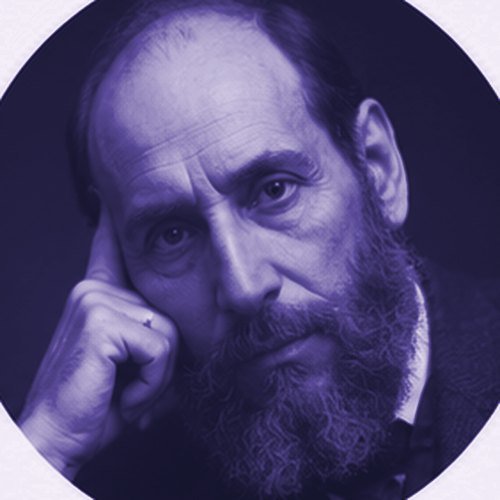
Santiago Ramón y CajalNobel Prize, 1906Showed that the brain is built from separate cells: the neuron (Module 1).
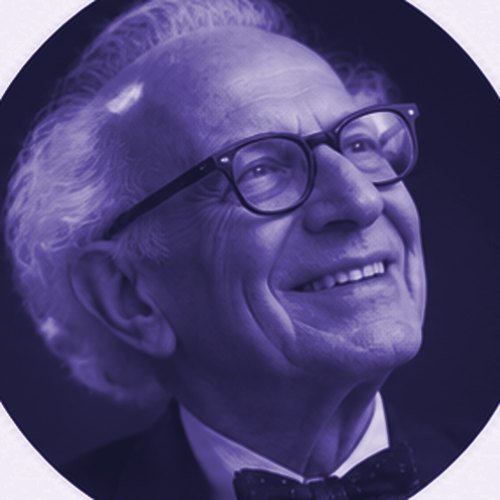
Eric KandelIn Search of Memory (2006)How memories are stored as changes between neurons (Modules 1 and 2).
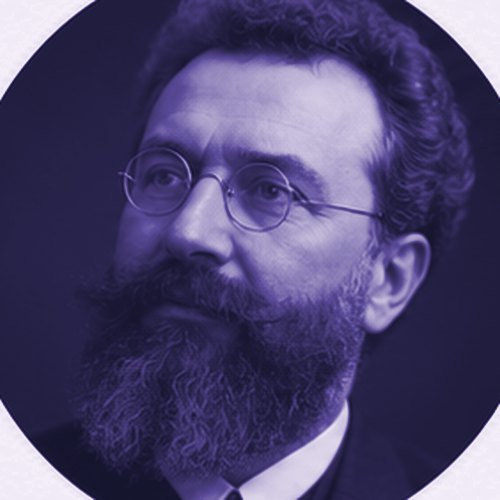
Hermann EbbinghausMemory (1885)The forgetting curve, and why spaced review beats cramming (Module 7).
Henry L. Roediger IIIMake It Stick (2014)Retrieval practice: recalling is how we remember (Module 8).
Robert BjorkDesirable difficulties (1994)Why the right kind of struggle makes learning last (Module 11).
John SwellerCognitive load theory (1988)Working memory is small, so good lessons protect it (Module 10).
Allan PaivioImagery and Verbal Processes (1971)Dual coding: words and pictures together (Module 10).
Carol DweckMindset (2006)How beliefs about ability shape effort and resilience (Module 3).
Albert BanduraSelf-Efficacy (1997)Belief in our own ability, and learning by watching others (Modules 4 and 12).
David SousaHow the Brain Learns"Learning takes place in the brain. Teachers are brain-changers."
Memory: the first experiments on forgetting, and the forgetting curve behind Module 7.
Imagery and Verbal Processes: words plus pictures make two routes into memory (Module 10).
Cognitive load theory: working memory is small, so good teaching protects it (Module 10).
Desirable difficulties: the right kind of struggle makes learning last (Module 11).
Test-enhanced learning: recalling beats re-reading for long-term memory (Module 8).
Mindset: how beliefs about ability shape effort and resilience (Module 3).
Principles of Instruction: daily review, small steps, checking for understanding.
A review of ten study techniques: practice testing and spaced practice came out on top.
Metacognition and self-regulated learning: a guidance report for schools (Module 4).
Every student keeps a notebook of key findings, reflections and predictions, and comes back to it for each unit's final project.
Each module has a step-by-step lesson plan for the teacher and a slide deck for the class, with videos and activities.
Lateral-thinking starters, drawing and memory tasks, discussion and a written reflection in every lesson.
Hands-on and visual: drawing the brain, memory games, stories of famous mistakes, and a learning notebook kept with the teacher.
More independent: students test the strategies in their own subjects, track what works, and teach a strategy to a younger class.