← All curricula
Series · Immersive futures

The Metaverse Series

Exploring new dimensions of human experience

A six-part series on the next chapter of the internet: shared, persistent 3D worlds where people learn, work, create and meet. It asks what the metaverse is, how it is built, who owns it, and what it will mean to be human inside it.

Lead designer: Rohan Roberts
See the six sessionsMeet the designer
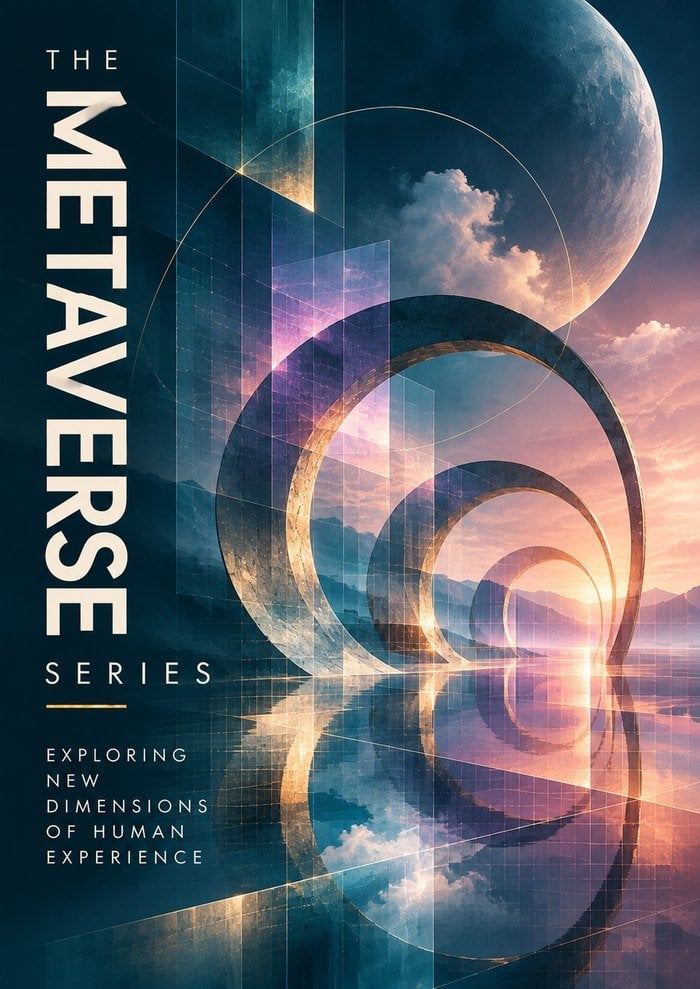
The Metaverse Series poster
6sessions
24key ideas
3hands-on challenges
1world to design

About the curriculum

The internet is becoming a place, not a page.

For thirty years we have looked at the internet through a flat screen. The metaverse is the idea that we will soon step inside it: shared 3D worlds that persist when we log off, where we can meet, learn, play, trade and build together.

The word comes from Neal Stephenson's novel Snow Crash (1992). The ideas behind it are older still, from Ivan Sutherland's first head-mounted display in 1968 to William Gibson's "cyberspace". Today they are being built in earnest, in games, virtual classrooms, digital twins of cities and factories, and new kinds of digital ownership.

Today's students will not only live in these worlds; many of them will design them. The Metaverse Series gives them the ideas, the vocabulary and the critical questions they need to do that well.

Why it matters

Immersive worlds are reshaping how people learn, work, socialise and do business. Understanding them is a new kind of literacy, as important as learning to read the web was in the 1990s.

What students gain

Systems thinking, digital citizenship, creative design skills and a working grasp of the technologies (3D engines, networks, blockchain) behind the next internet.

The human question

What is real? Who owns a virtual world? How do we stay safe, kind and fully human when part of our life is lived as an avatar?

The designer

Designed by Rohan Roberts.

Rohan Roberts was the lead designer of The Metaverse Series. He created the series, shaped its six sessions and led them, from the first question (what is real?) to the engines, ethics and AI that will shape the virtual worlds to come.

The series treats the metaverse not as hype or as a gadget, but as a serious idea with a long history in science fiction, computer science and philosophy, and as something today's students will help to design.

RR
Lead designerRohan Roberts
ConceptA new reality

The idea, the arc and the big question behind all six sessions.

WritingSix sessions

Every session written and structured for students and educators.

ResearchFiction, science, philosophy

From Snow Crash and Neuromancer to Reality+ and the economics of virtual worlds.

DeliveryTalk, try, build

Discussion, hands-on exploration and a design challenge in every session.

“The best way to predict the future is to invent it.”
Alan Kay
The journey

Six sessions. One new reality.

Session one

Metaverse: The New Reality

What is real?

What the metaverse is, where the idea came from, and why the question "what is real?" matters again.

  1. From Snow Crash to today: a short history
  2. Virtual, augmented and mixed reality
  3. Presence: why virtual places feel real
  4. Philosophy: is a virtual world a real world?
Session two

Meta-worlds and the Coming Revolution

Worlds within worlds

How shared virtual worlds are changing learning, work, culture and friendship.

  1. Persistent, shared 3D worlds
  2. Avatars, identity and belonging
  3. Virtual classrooms, museums and field trips
  4. Digital citizenship: safety, kindness and wellbeing
Session three

NFTs, Blockchain and Meta-Businesses

Who owns a virtual world?

Digital ownership, virtual economies and the businesses being built inside the metaverse.

  1. How a blockchain works
  2. NFTs and digital ownership
  3. Virtual economies and creator businesses
  4. Hype, risk and thinking critically about value
Session four

Networking, Computing and Virtual World Engines

How worlds are built

The engines, networks and computing power that make virtual worlds possible, and the jobs they create.

  1. Game engines and real-time 3D
  2. Networks, latency and the cloud
  3. Digital twins of real places
  4. Careers that do not exist yet
Session five

Rules, Rights and Wellbeing in Virtual Worlds

Who makes the rules?

Every new world needs rules. Who writes them, who enforces them, and how do we keep people safe, free and well?

  1. Privacy: what a headset knows about you
  2. Moderation, harassment and safety
  3. Wellbeing, balance and time online
  4. Access for all: inclusion and the digital divide
Session six

AI and the Living Metaverse

What comes next?

How artificial intelligence and spatial computing will fill virtual worlds with life, and what that means for learning.

  1. Generative AI: building worlds from words
  2. AI characters, companions and guides
  3. Spatial computing and smart glasses
  4. The classroom of 2035
The thinkers

The thinkers behind the series.

Neal StephensonNeal StephensonSnow Crash (1992)

Coined the word "metaverse" (Session 1).

William GibsonWilliam GibsonNeuromancer (1984)

Coined "cyberspace" and imagined the networked world (Session 1).

Ivan SutherlandIvan SutherlandFirst VR headset, 1968

Built the first head-mounted display: the start of virtual reality (Session 1).

Jaron LanierJaron LanierVR pioneer and critic

Popularised "virtual reality", then asked hard questions about technology (Session 5).

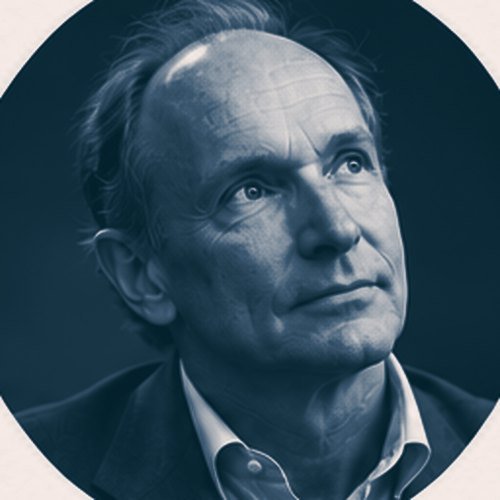
Tim Berners-LeeTim Berners-LeeThe World Wide Web, 1989
Invented the web and still argues for an open one (Session 4).

Philip RosedalePhilip RosedaleSecond Life (2003)

Built one of the first great shared virtual worlds (Session 2).

Vitalik ButerinVitalik ButerinEthereum (2015)

Co-created the blockchain behind most NFTs (Session 3).

Matthew BallMatthew BallThe Metaverse (2022)

Mapped how the metaverse is being built and who will own it (Sessions 3 and 4).

David ChalmersDavid ChalmersReality+ (2022)

Argues that virtual worlds can be genuine realities (Session 1).

Sherry TurkleSherry TurkleAlone Together (2011)

Studies how life on screens changes friendship and the self (Sessions 2 and 5).

Pedagogically sound

Why immersive learning works.

Learning by making

Seymour Papert's constructionism (Mindstorms, 1980): people learn best when they build things that matter to them. Students design their own virtual world.

Learning by doing

David Kolb's experiential learning cycle (1984): experience, reflect, think, try again. Every session moves through all four.

Presence

Mel Slater's research on "place illusion" (2009): the feeling of being there is what makes immersive experiences memorable.

Immersion and engagement

Chris Dede, "Immersive Interfaces for Engagement and Learning" (Science, 2009): immersion can deepen understanding when it is designed with care.

Critical thinking

Every session ends with the hard questions: who benefits, who is left out, and what could go wrong.

Digital citizenship

Safety, privacy, kindness and wellbeing online are taught alongside the technology, not after it.

Hands-on

Three things students make.

Challenge 1Design a world

In teams, students sketch and pitch a virtual world with a purpose: a museum, a classroom on Mars, a space for a community that needs one.

Challenge 2Write the rules

Each team writes a short charter for its world: who can enter, who owns what, how people stay safe, and how disputes are settled.

Challenge 3Build a prototype

Using a free 3D tool, students build one room of their world and give a guided tour to the class.

Outcomes

What students leave with.

Details

The curriculum.

Format
Six-part series
Audience
Students, educators and anyone curious about the next internet
Prerequisites
None
Approach
Talk, try, build: discussion, exploration and design
Includes
Session slides, discussion questions and a design challenge
Lead designer
Rohan Roberts
See all curricula
Keep exploring

More curricula.