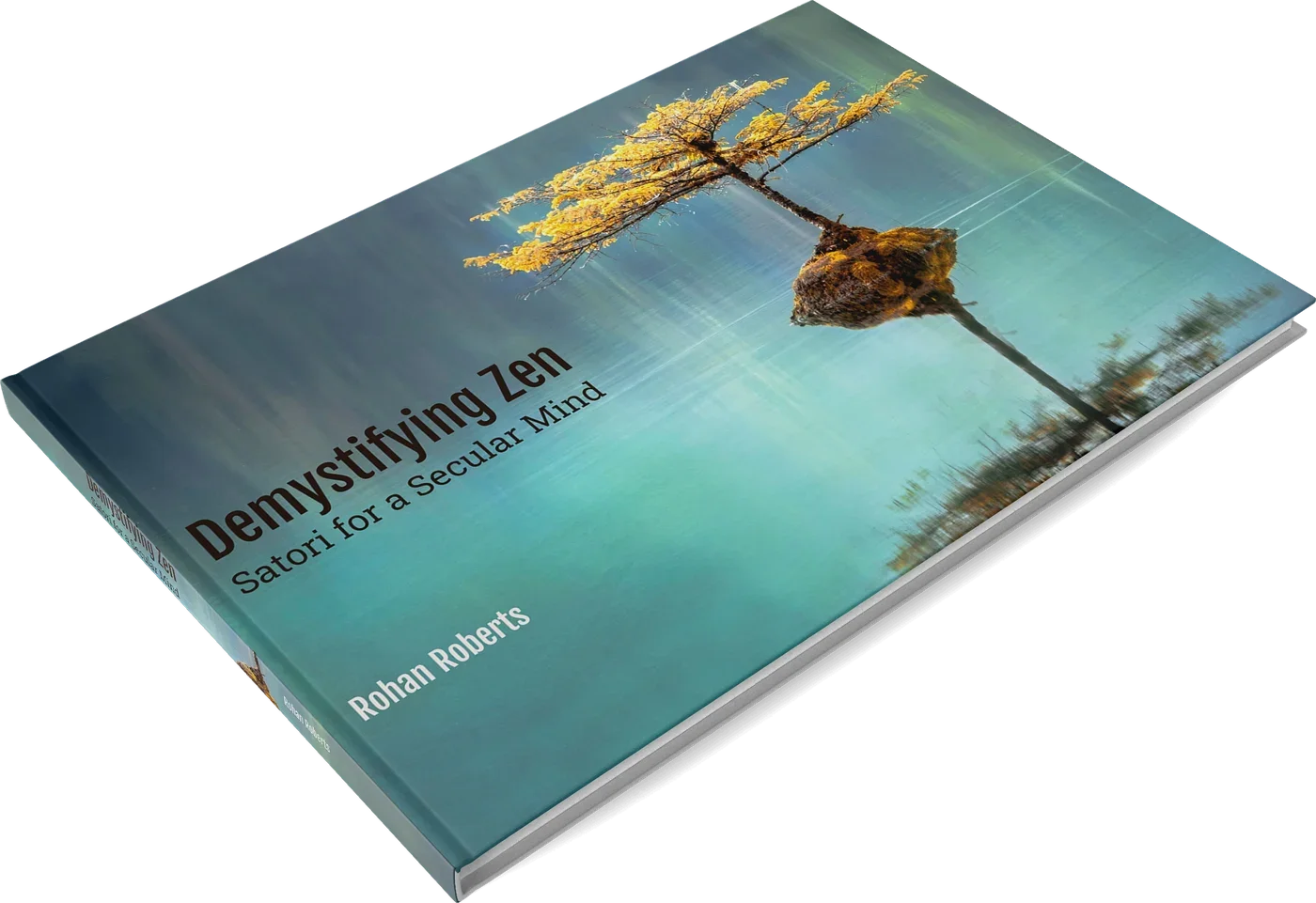
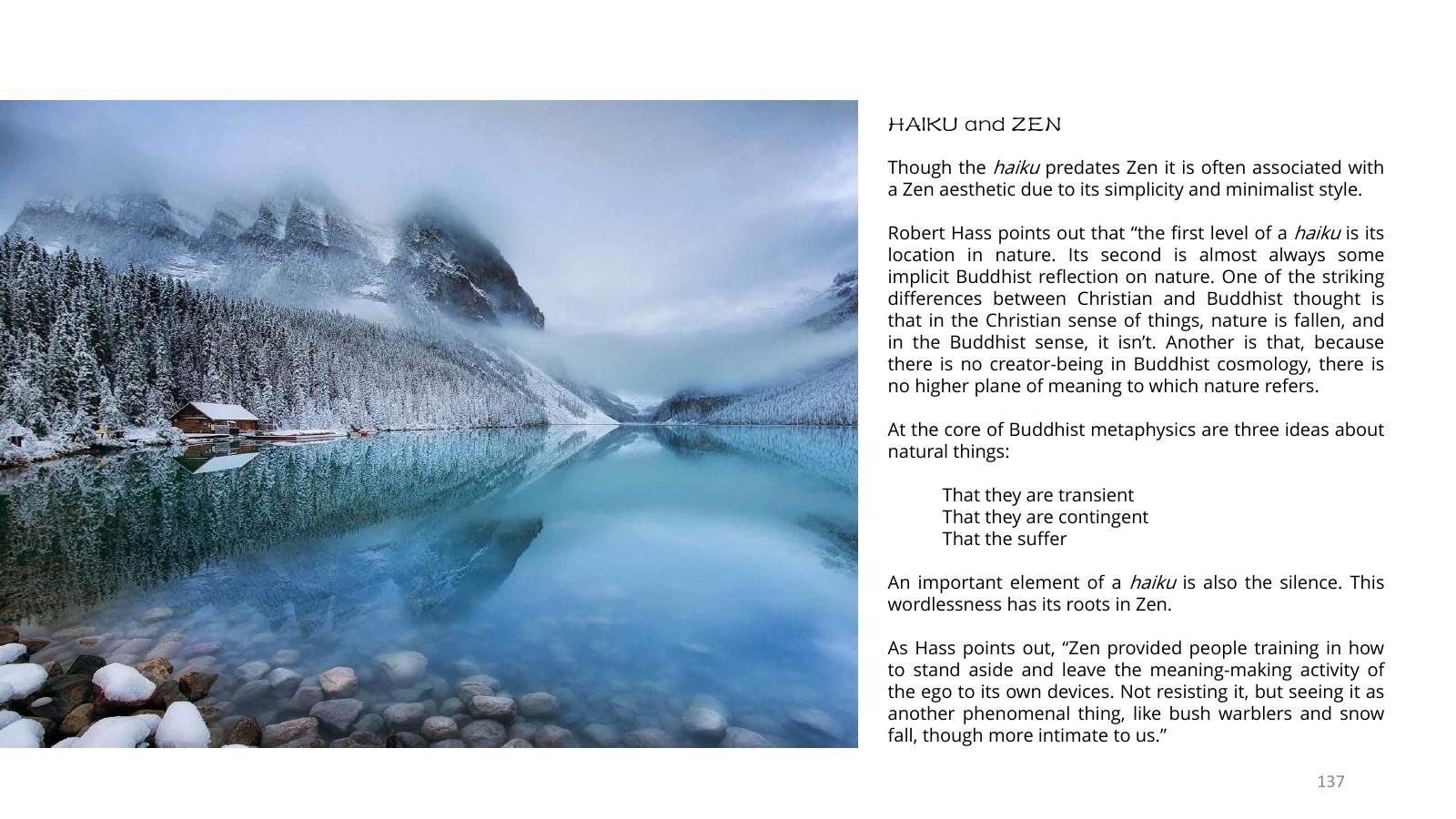
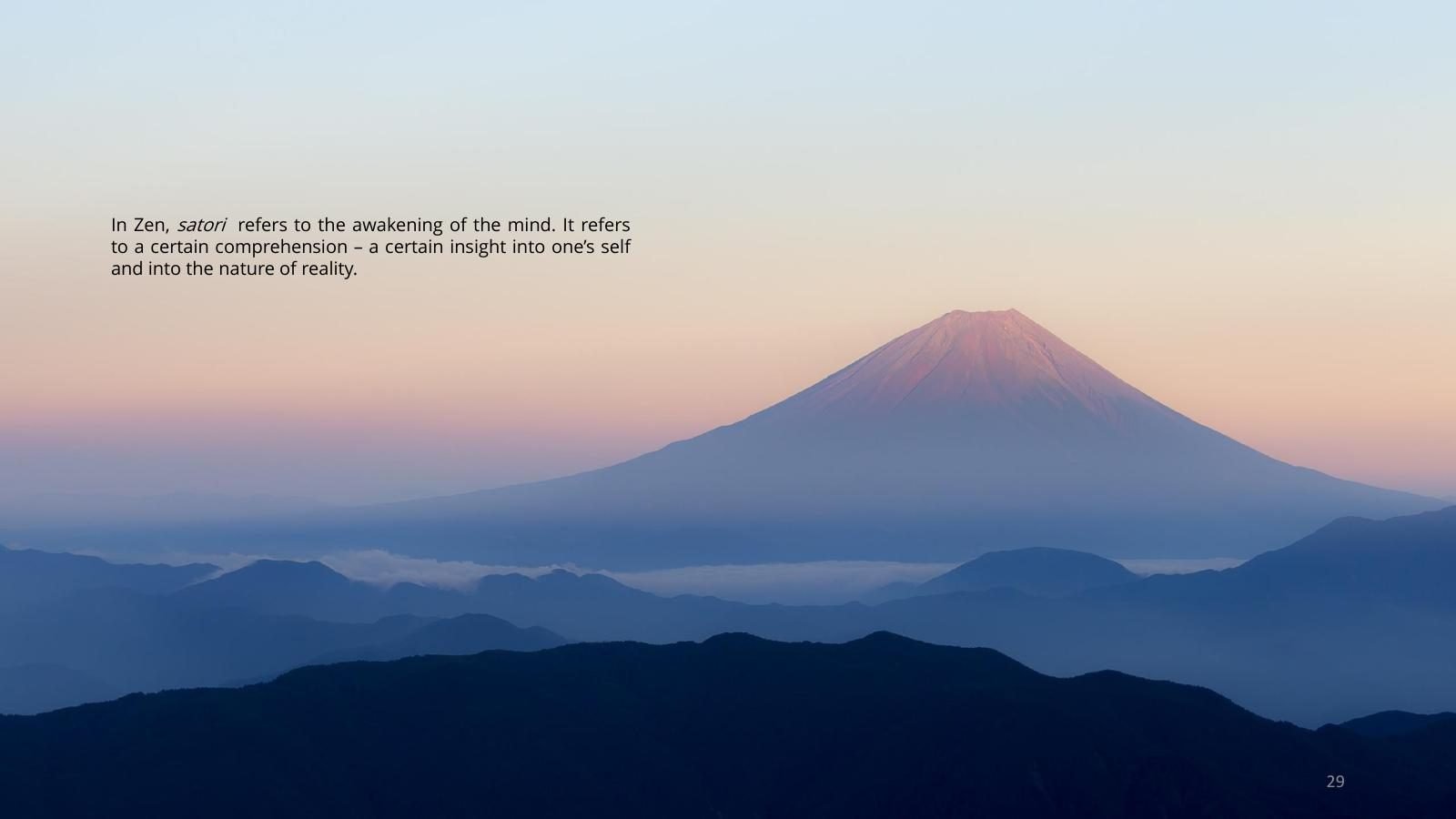
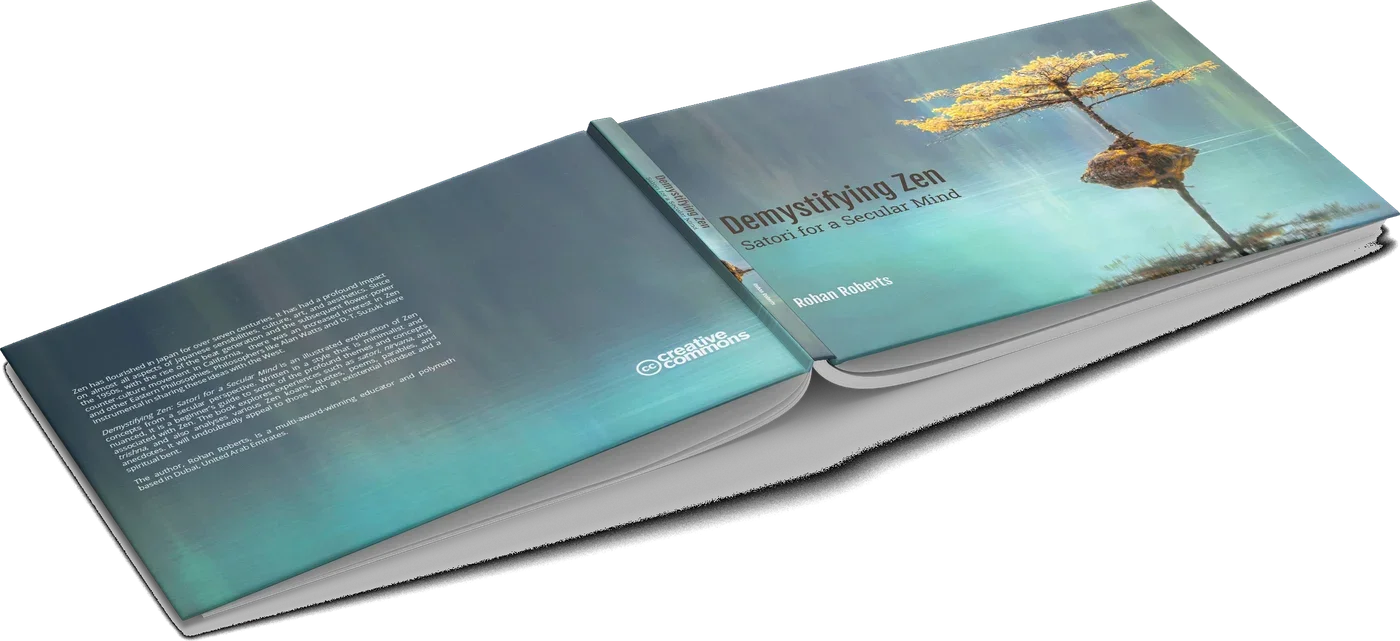
Misty mountains, still water, ink and stone. A quiet, picture-filled guide to Zen for the modern, secular mind: what satori is, and how to bring it into everyday life.


Explaining Zen is like describing the taste of an apple to someone who has never eaten one. So this book shows as much as it tells: every idea gets its own calm spread, a photograph or work of art beside a short, clear text.
Not a theory, a belief or a religion, but a practice: awakening the mind and loosening the grip of the ego.


Suffering and its sources, nirvana and samsara, impermanence and the self that is never quite where we look for it.


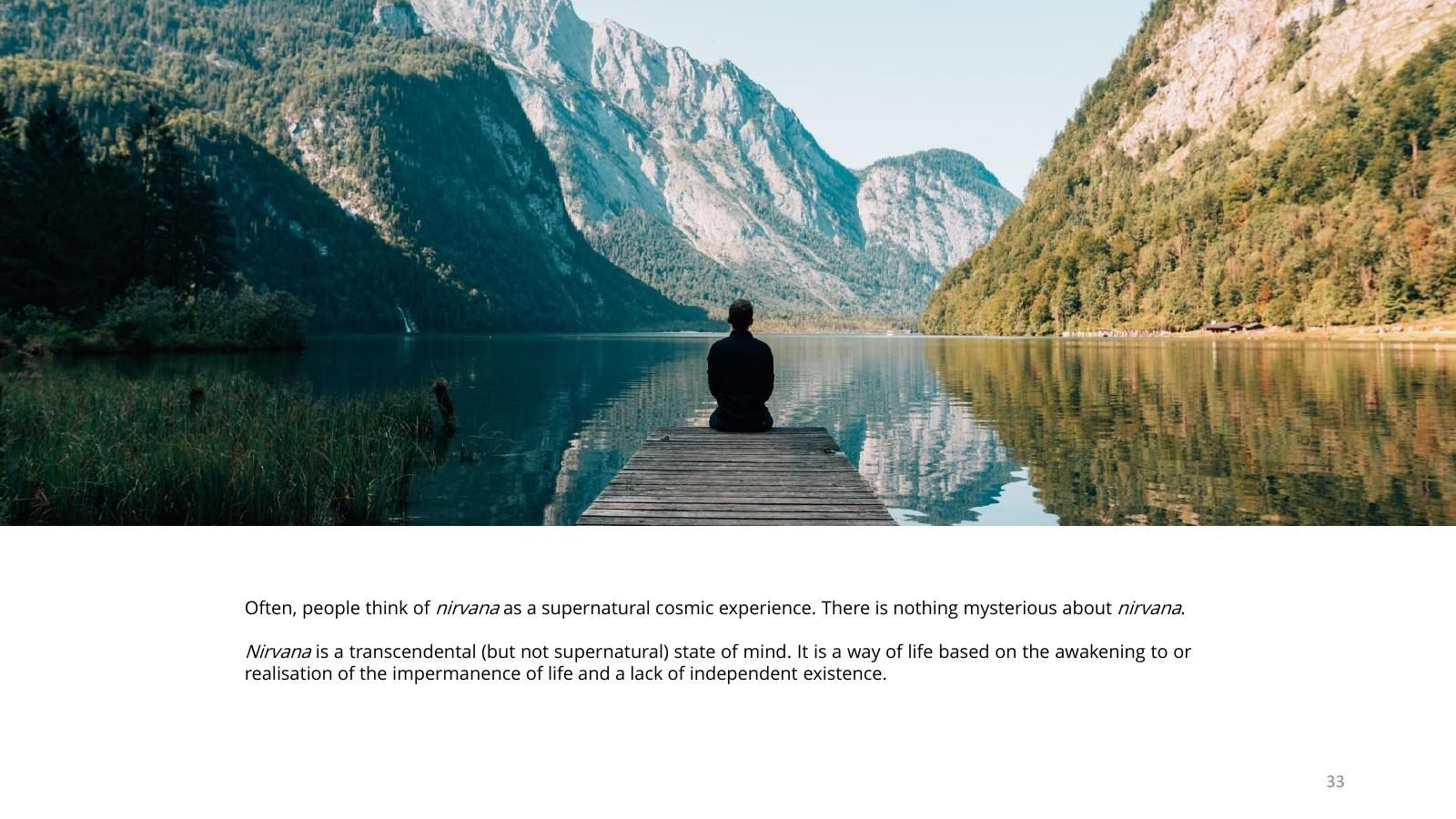
Meditation without chasing anything: the present moment, the Four Noble Truths and the fourfold task.


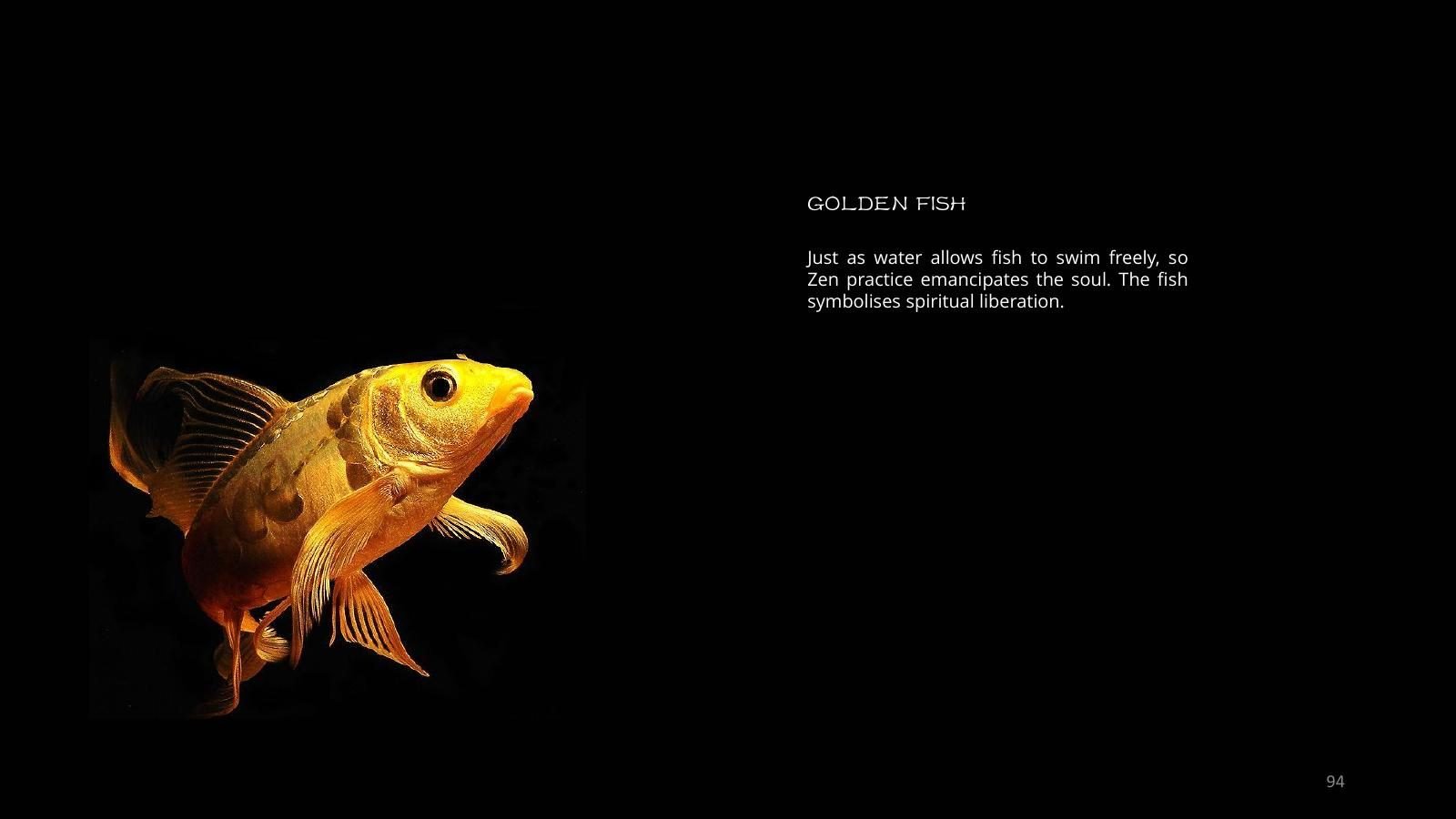
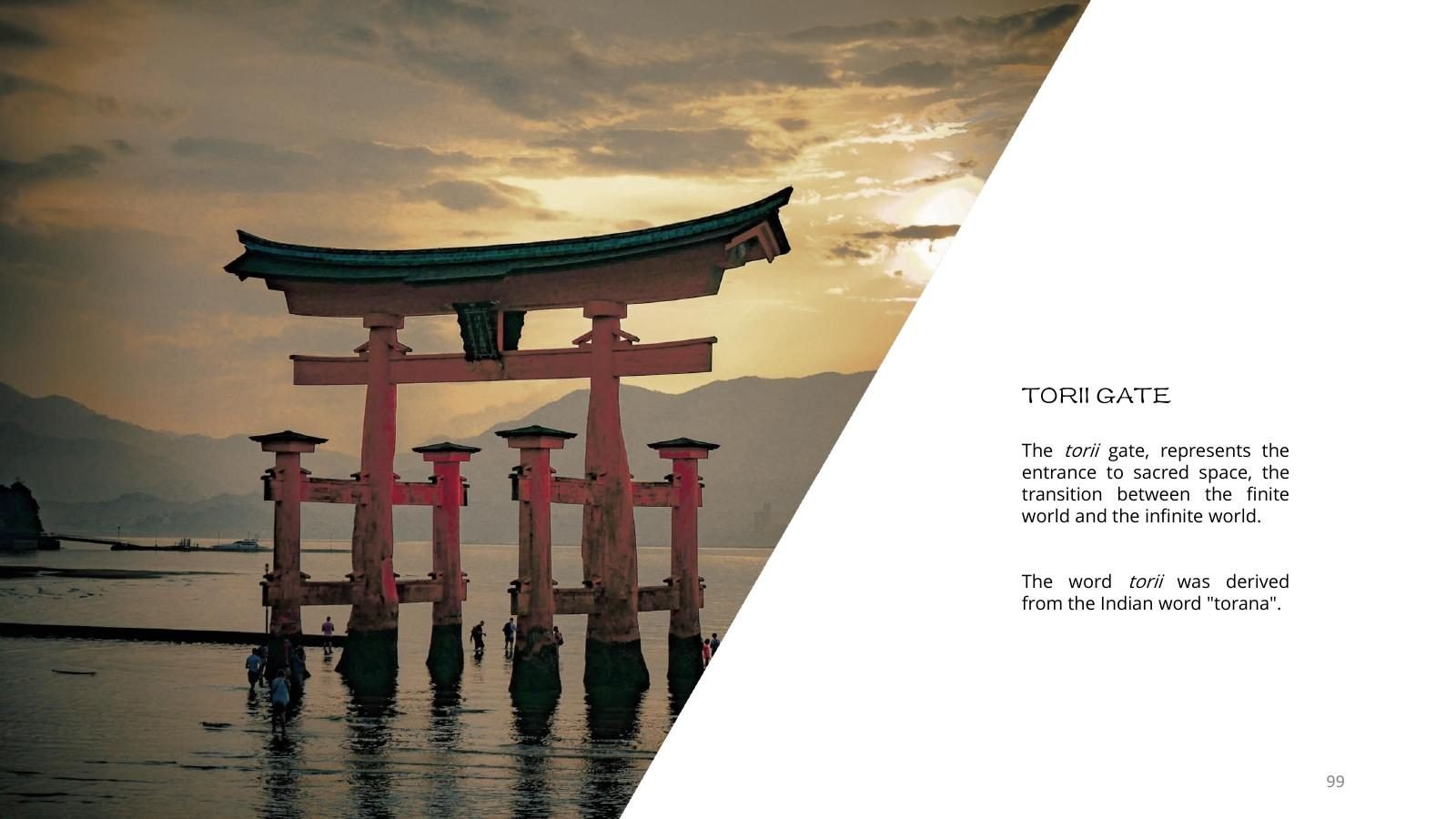
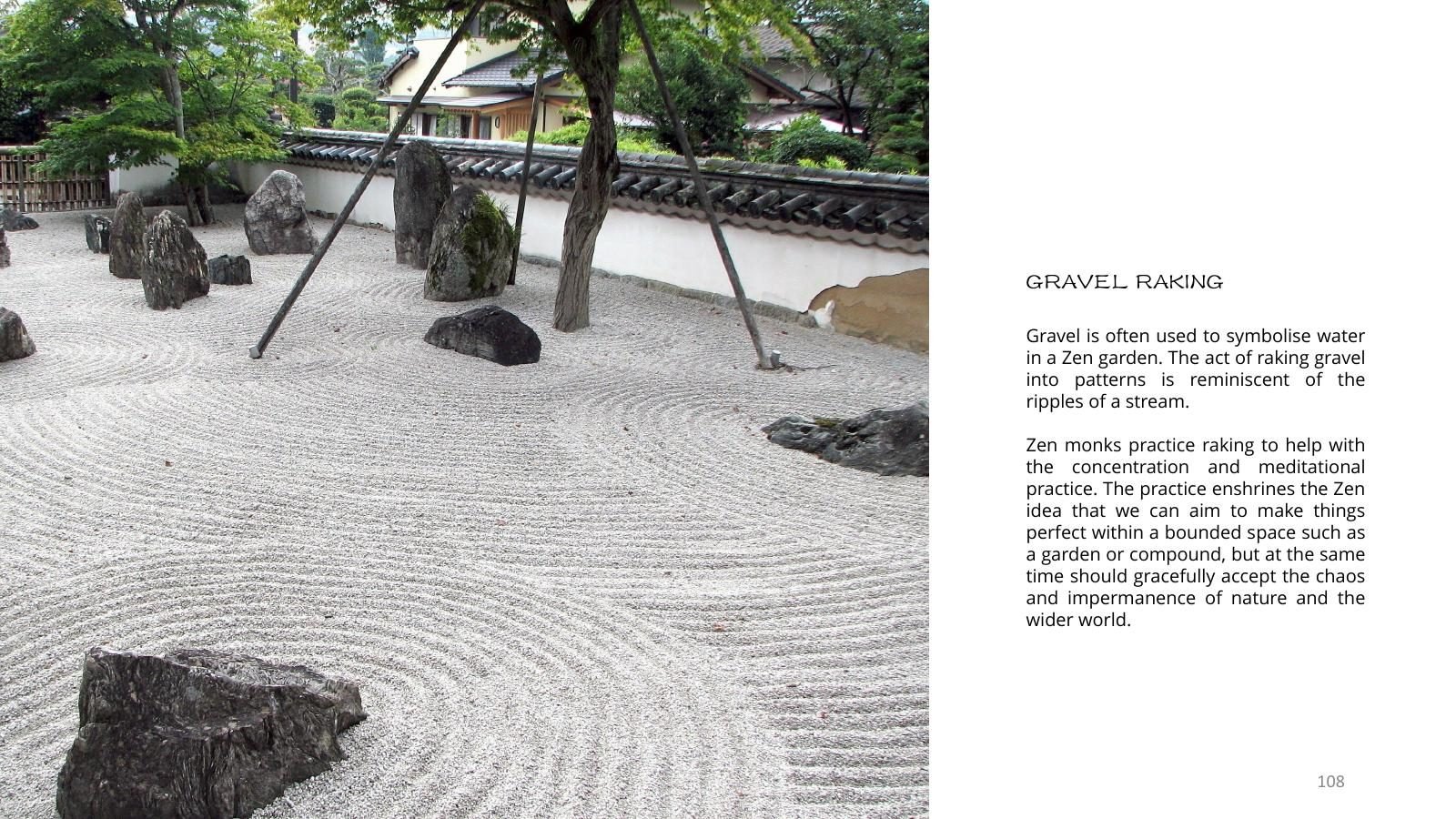
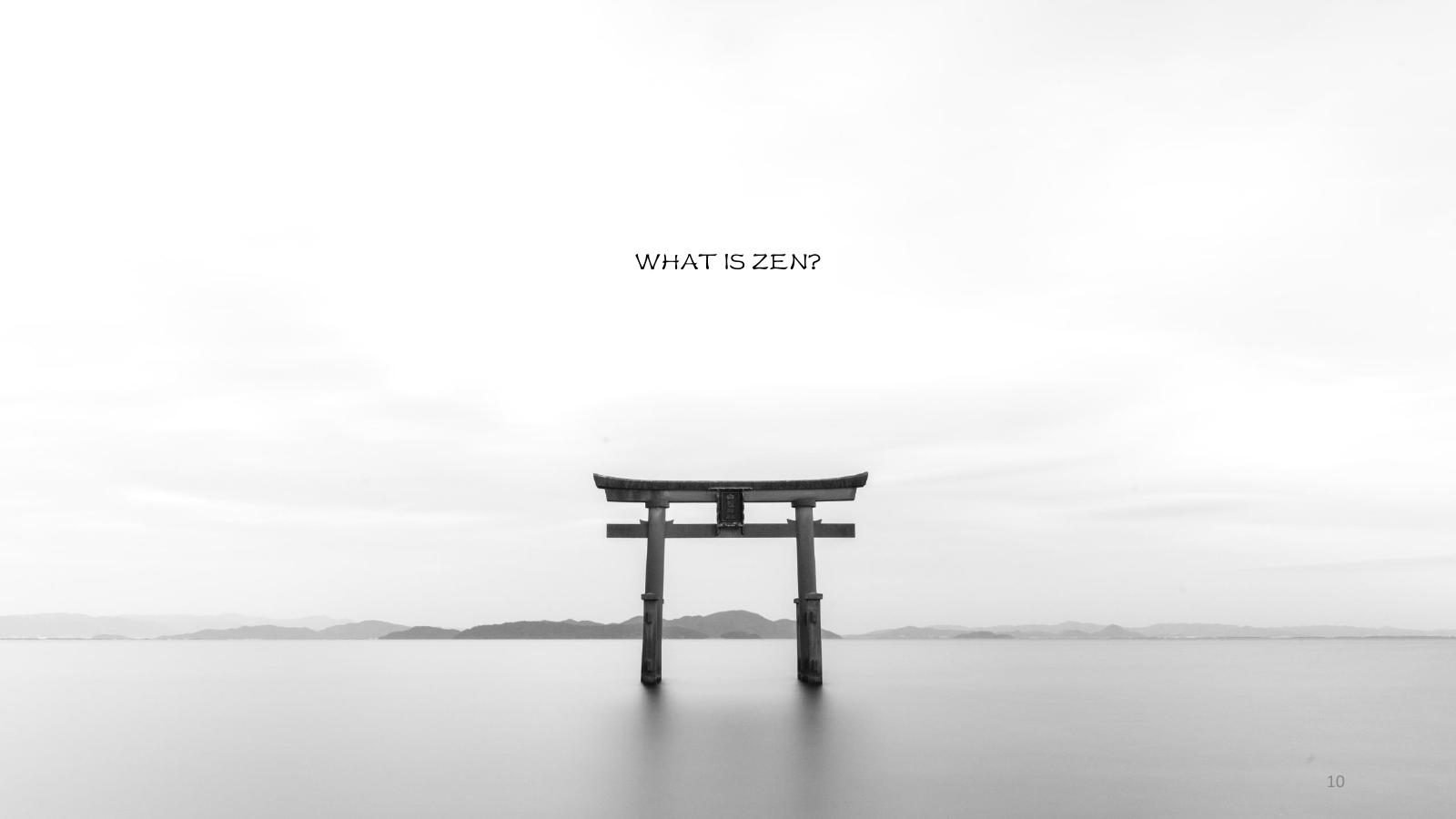
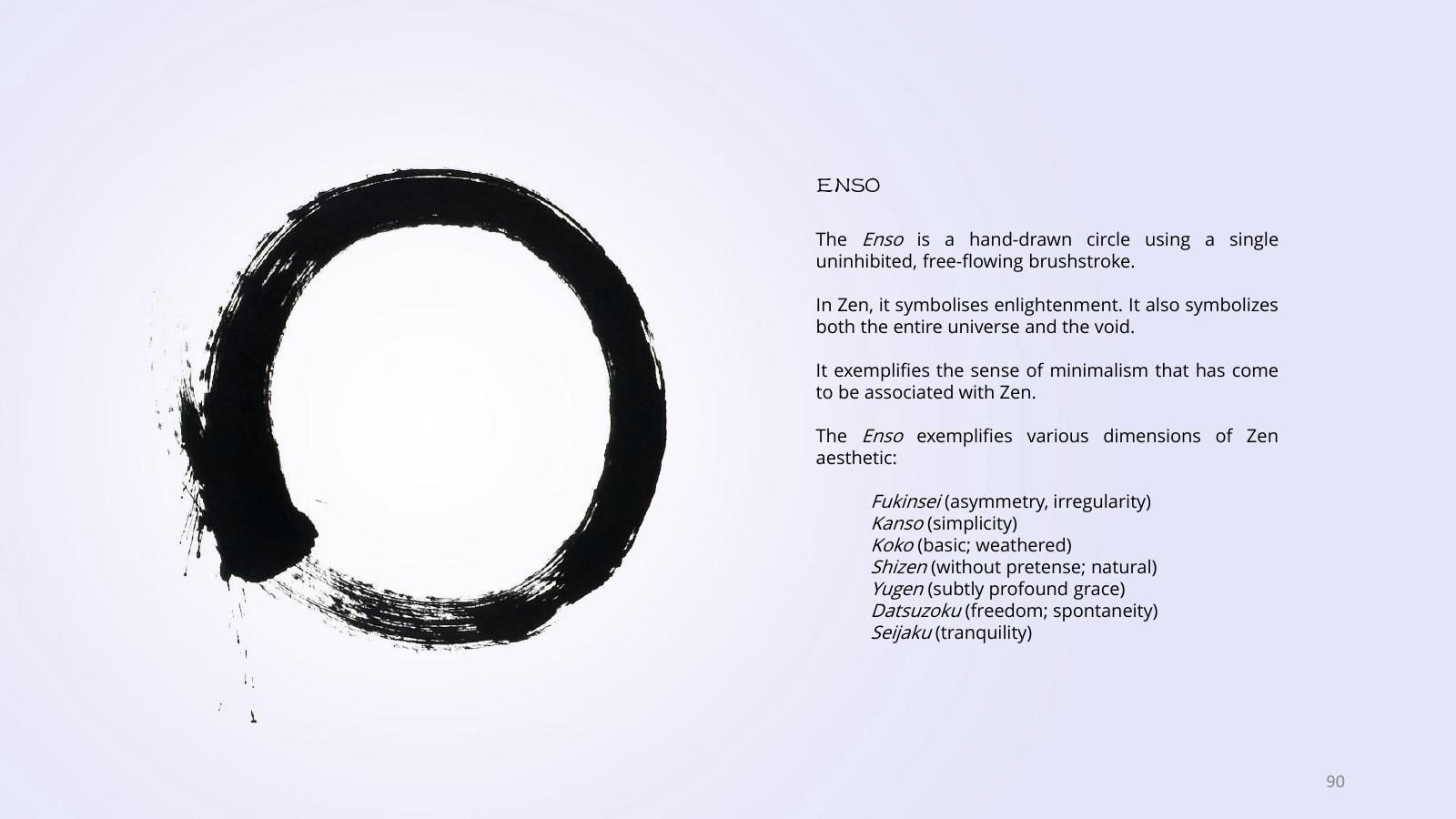
The enso, the lotus, the golden fish, the torii gate; tea, bonsai, flowers and the raked garden.


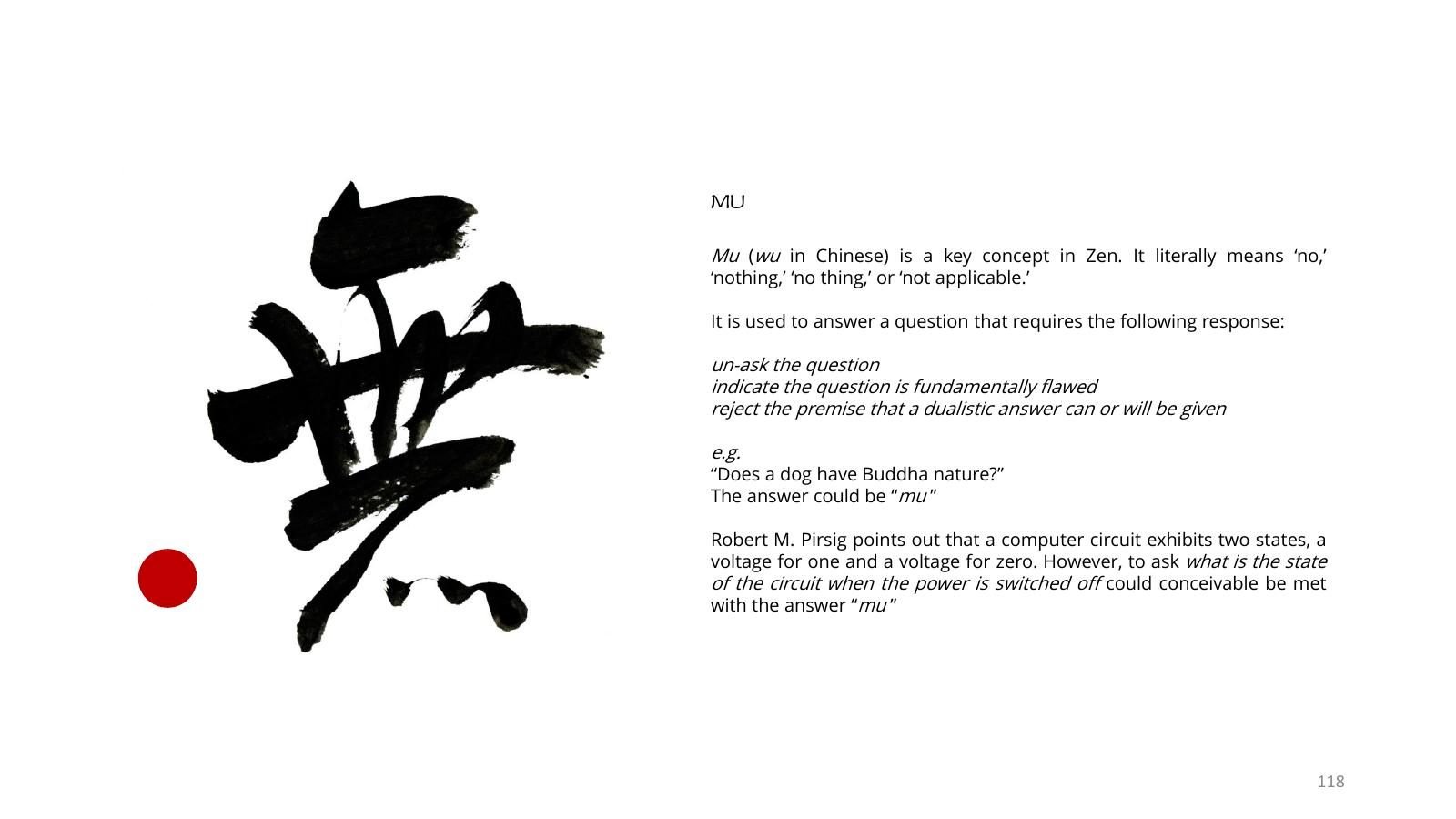
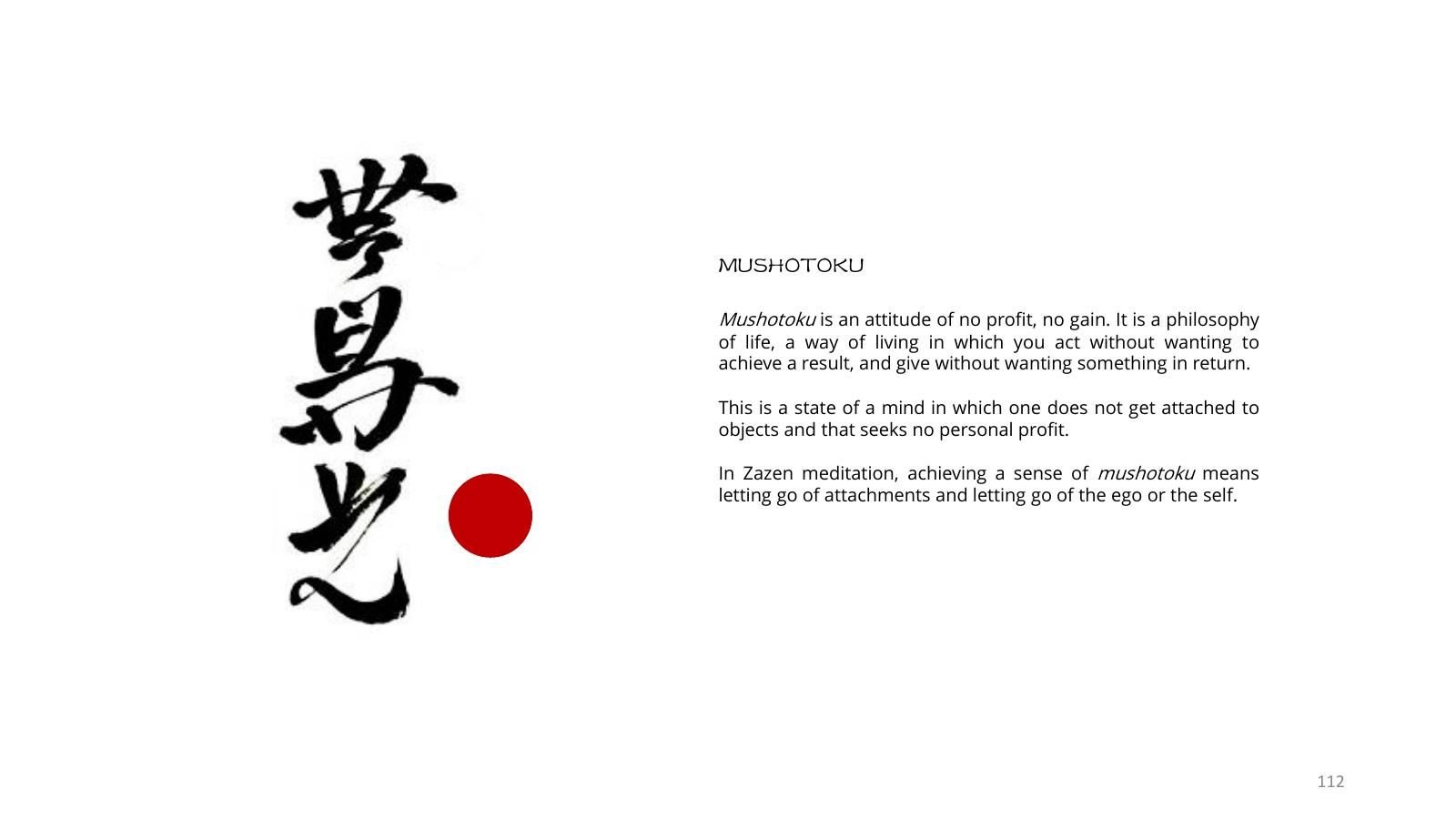
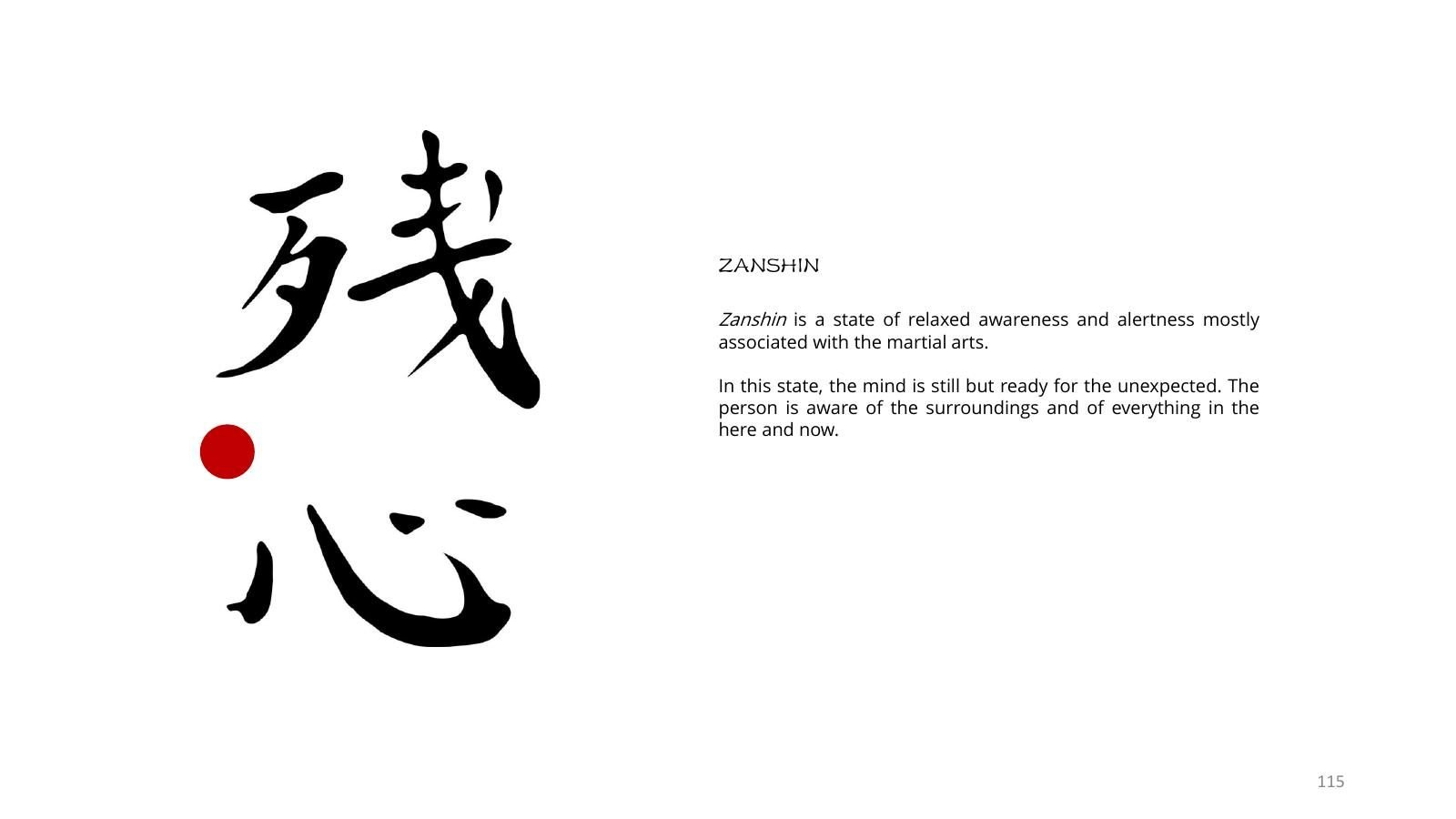
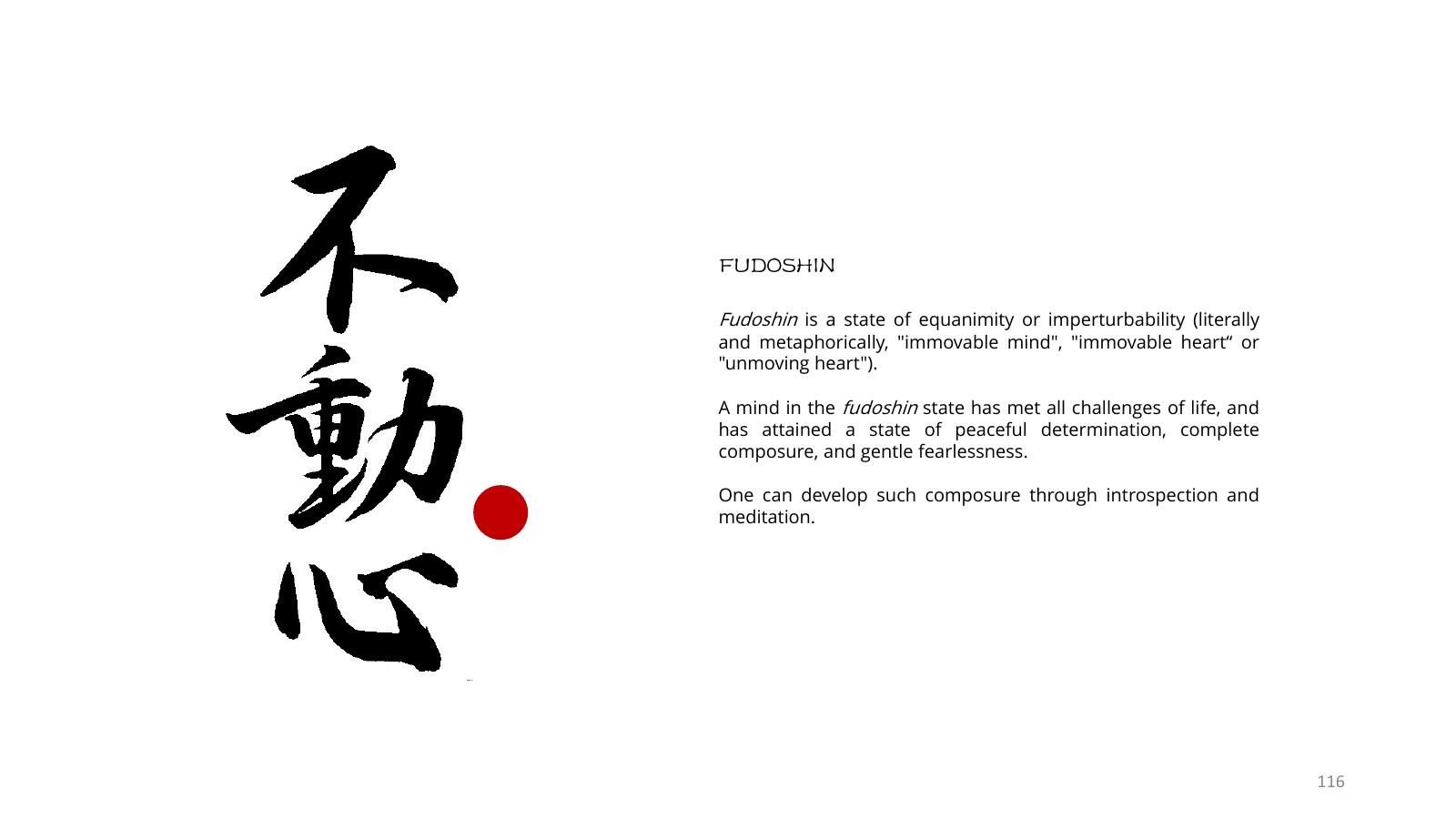
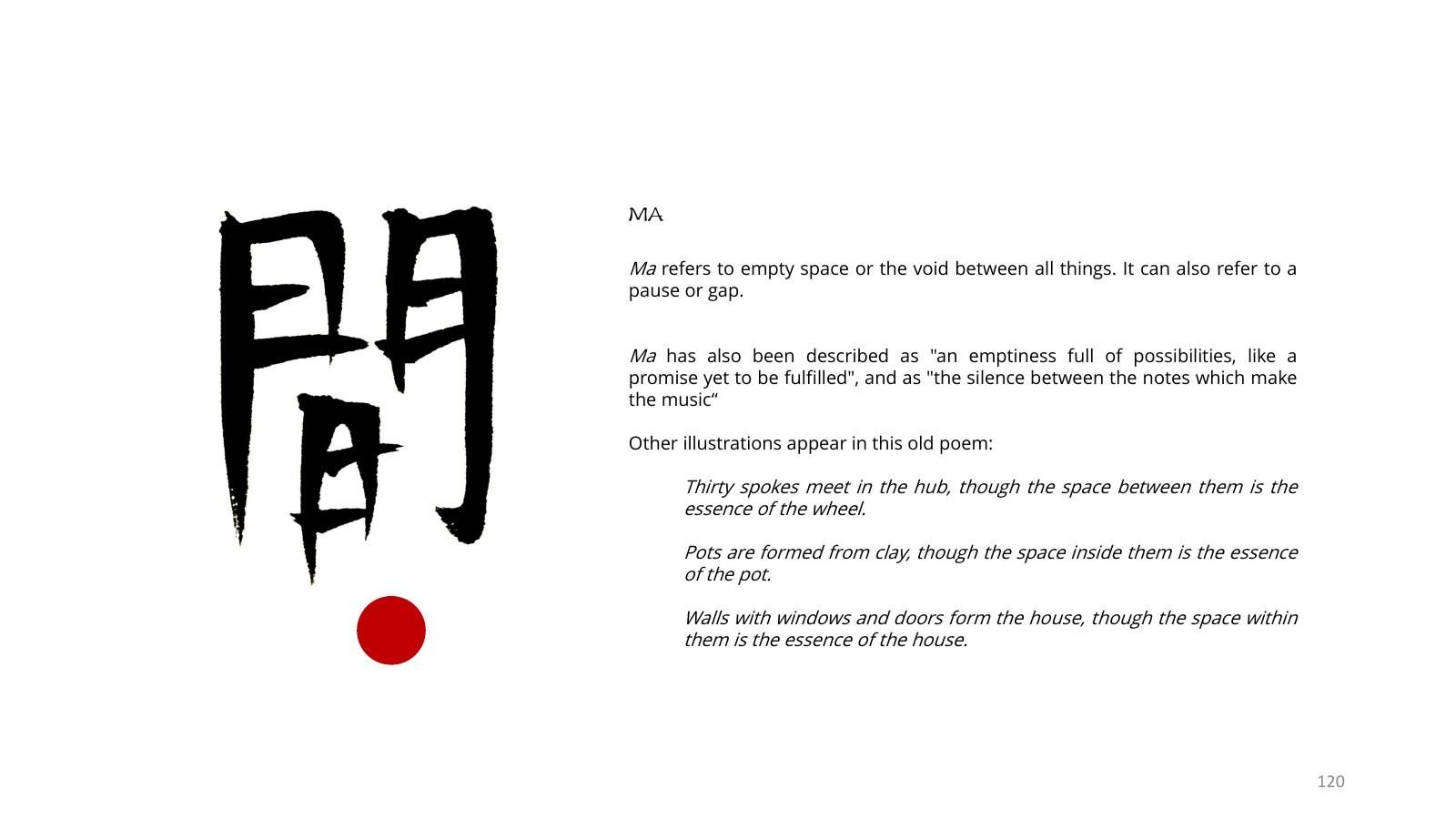
Mushin, fudoshin, mu, ma: old words in brush and ink for states of mind we still need today.


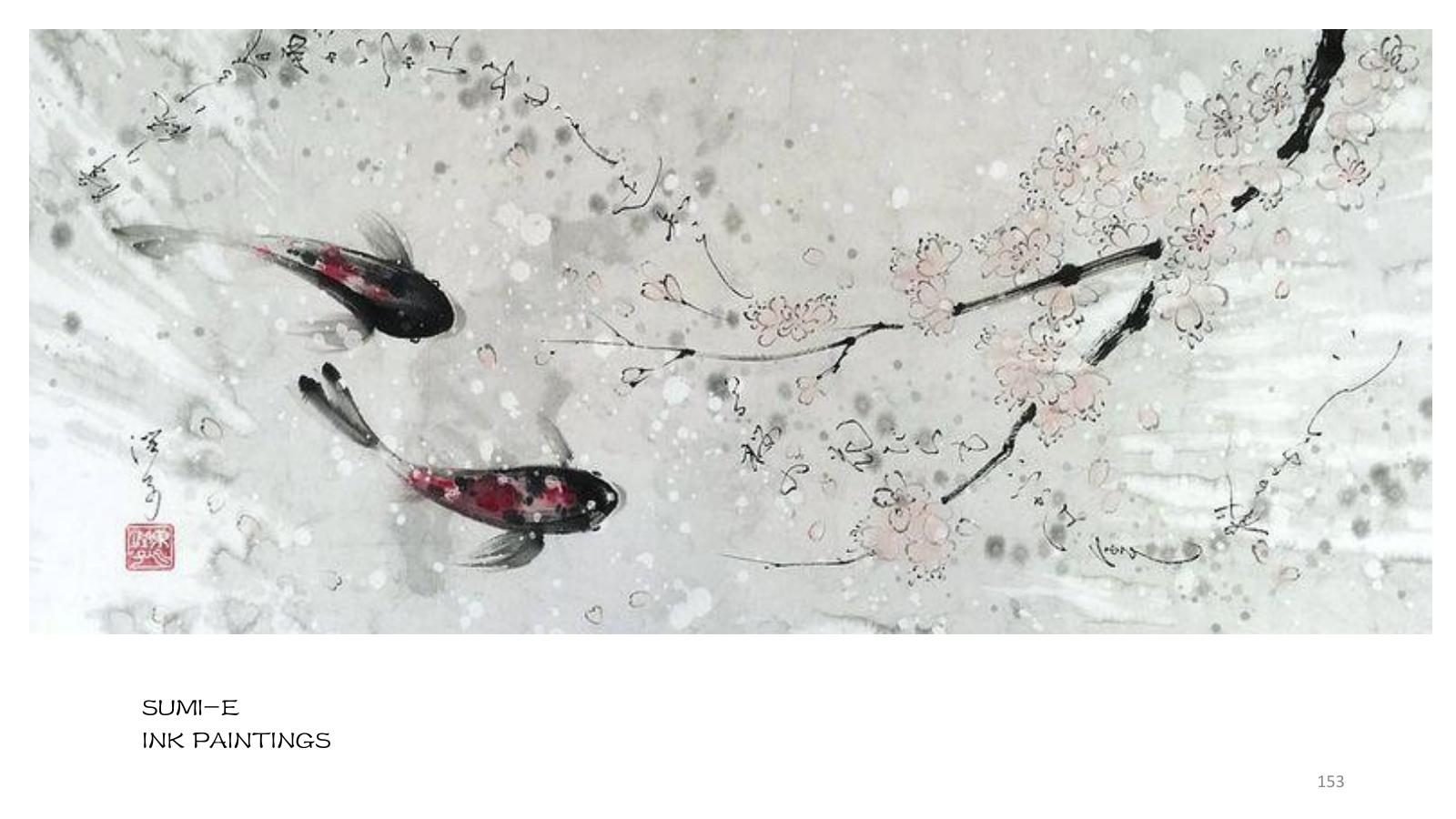
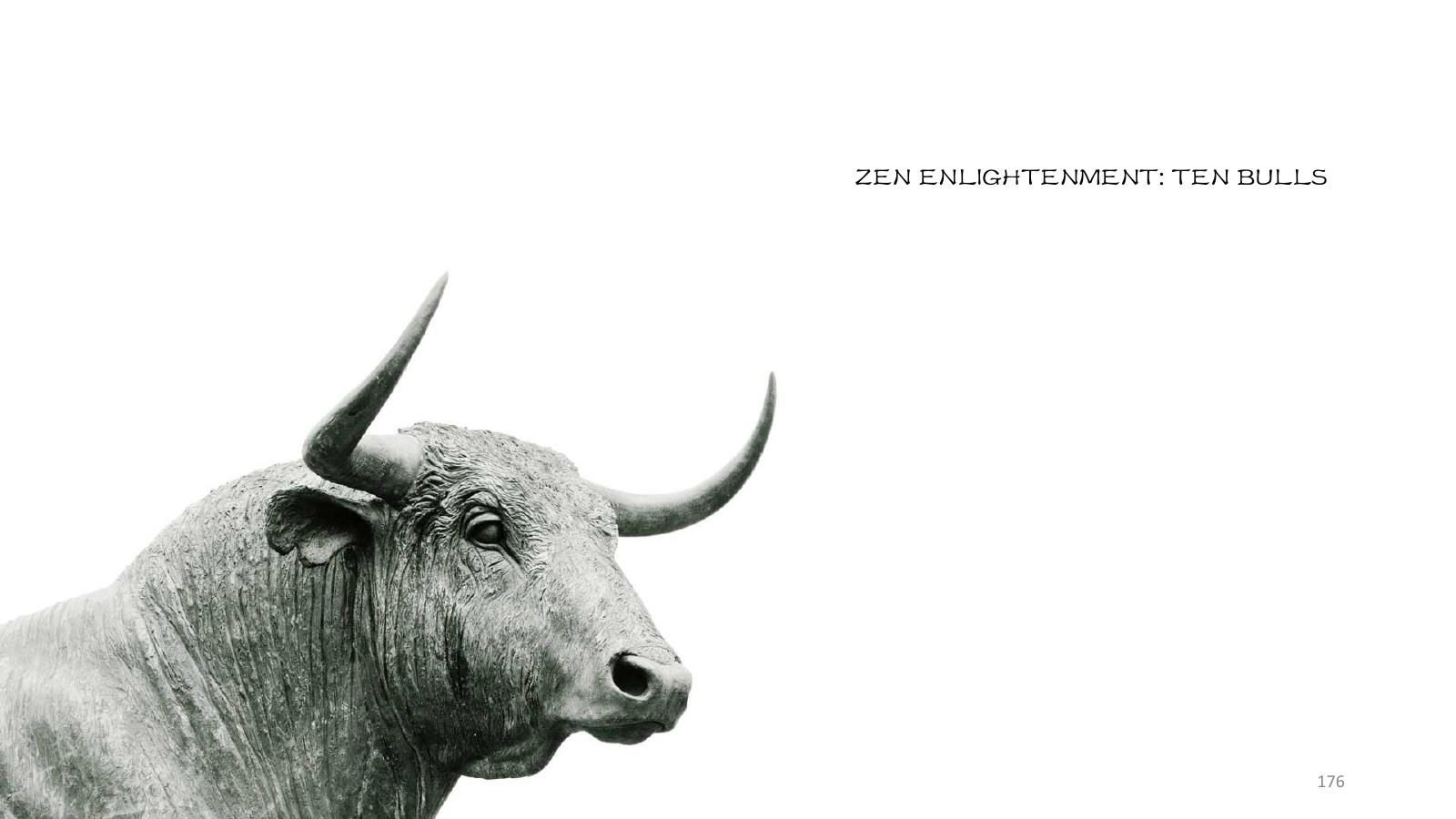
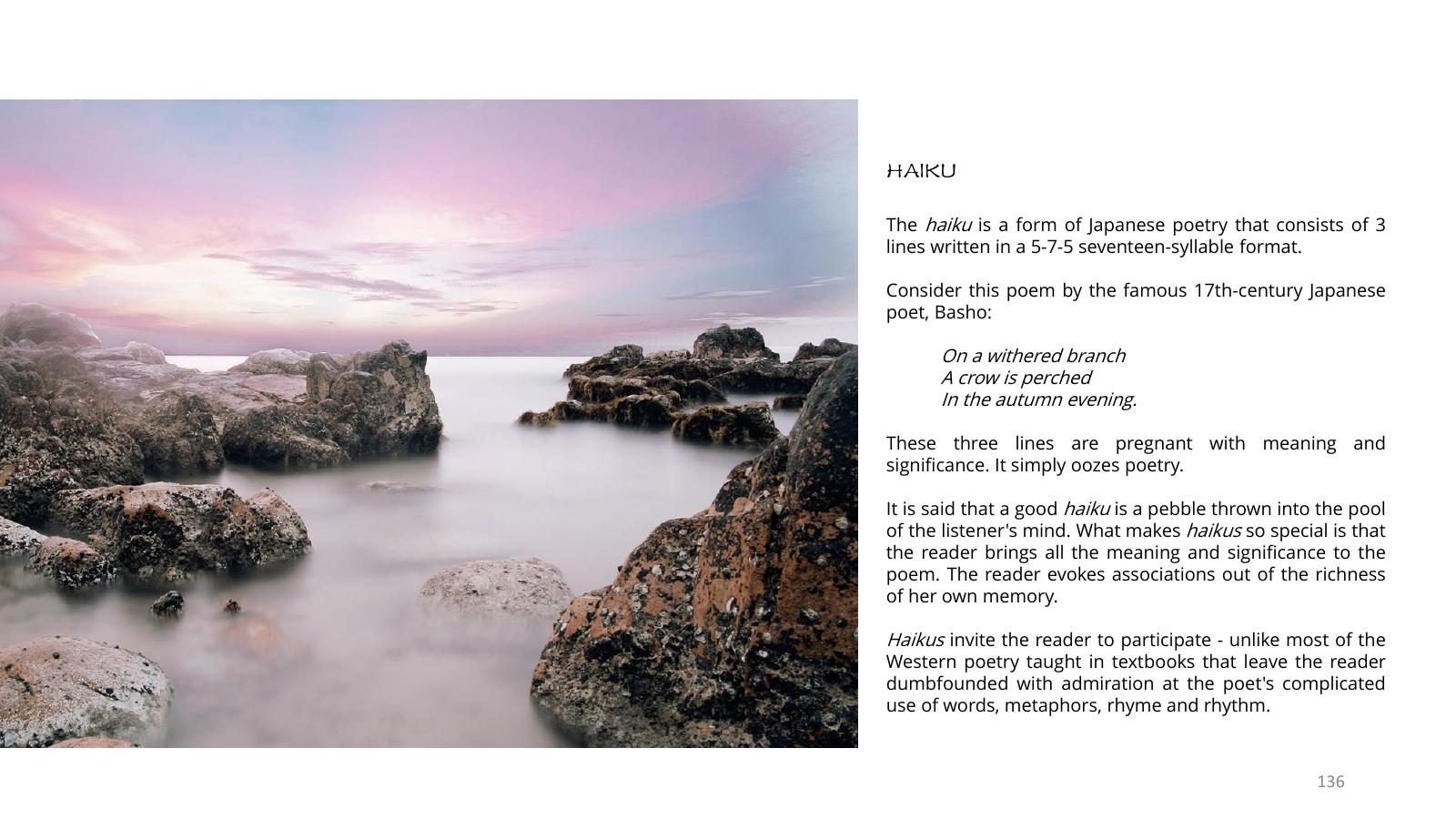
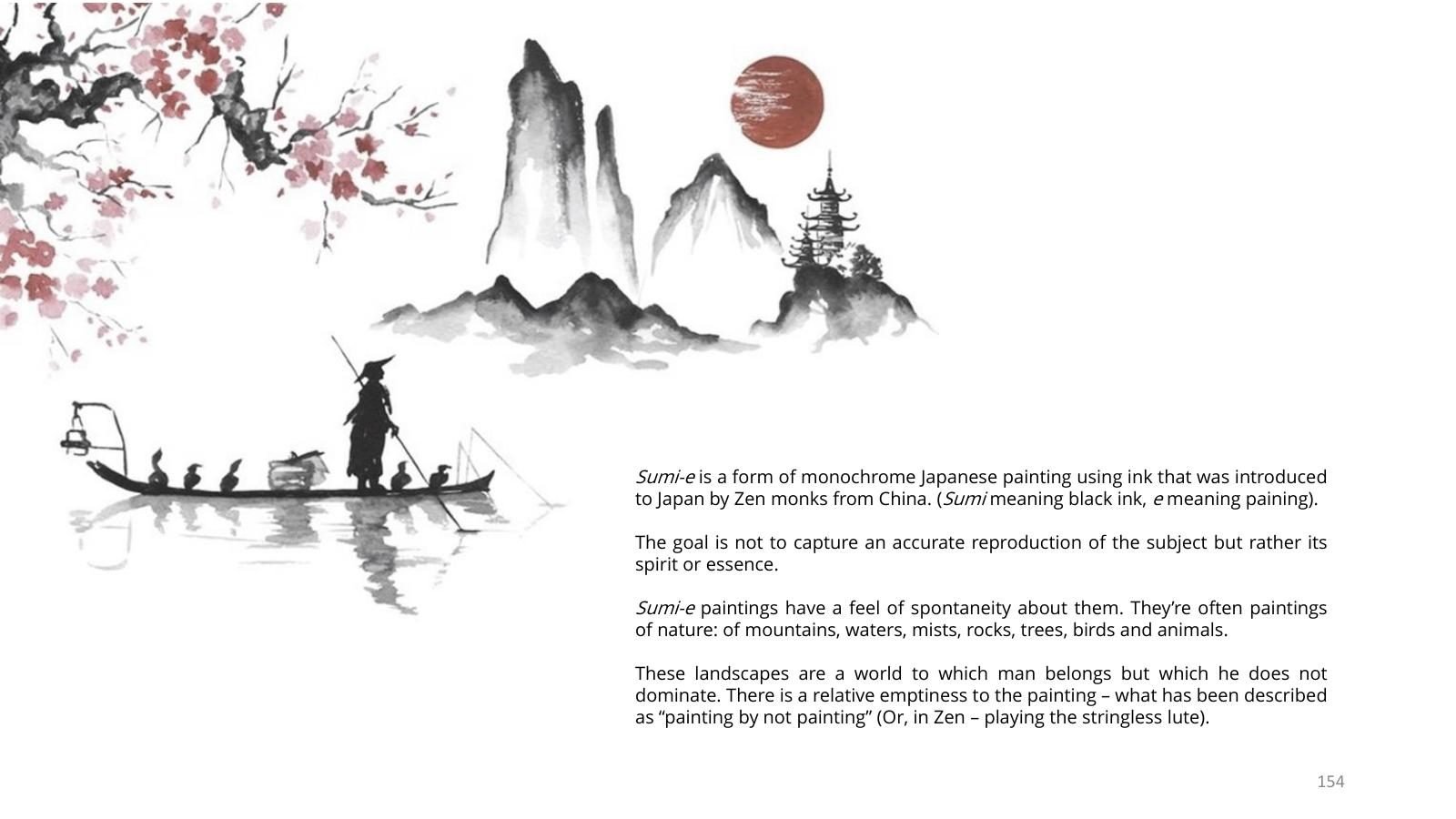
Sumi-e painting, the haiku of Basho and Buson, the ox-herding pictures, koans and parables.


Zen without the supernatural: pragmatism, existential intelligence and the simple realisation that this is it.


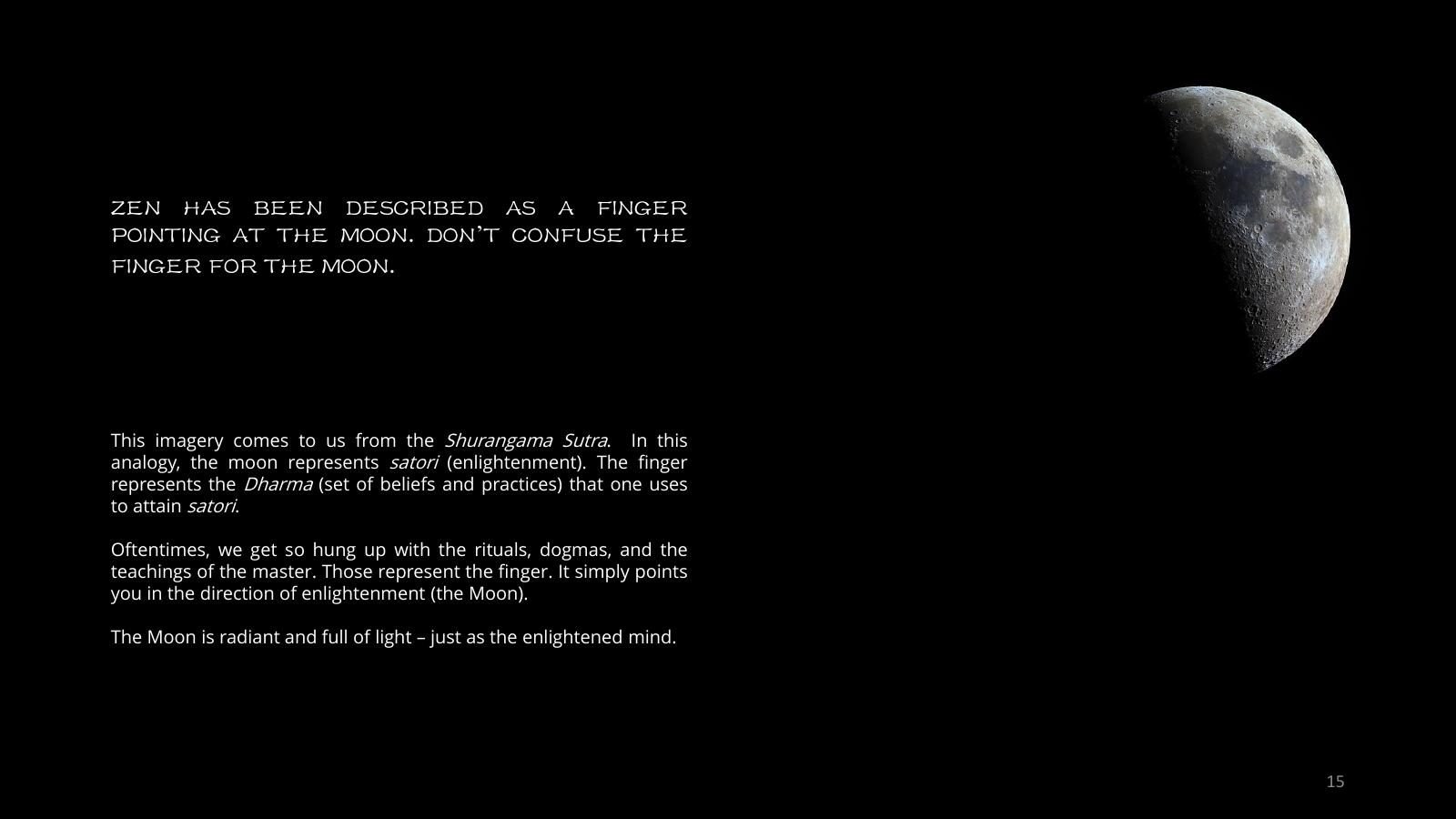
“The whole moon and the entire sky are reflected in one dewdrop on the grass.”Dogen Zenji, quoted in the book
What is Zen: satori, the self, the Buddha way, truth, zazen and the Four Noble Truths.
Zen symbols, Zen in everyday life and Zen aesthetics: wabi-sabi, yugen, kintsugi and ikigai.
Zen concepts, Zen in literature and art, the ten bulls, koans, parables, and a secular conclusion.